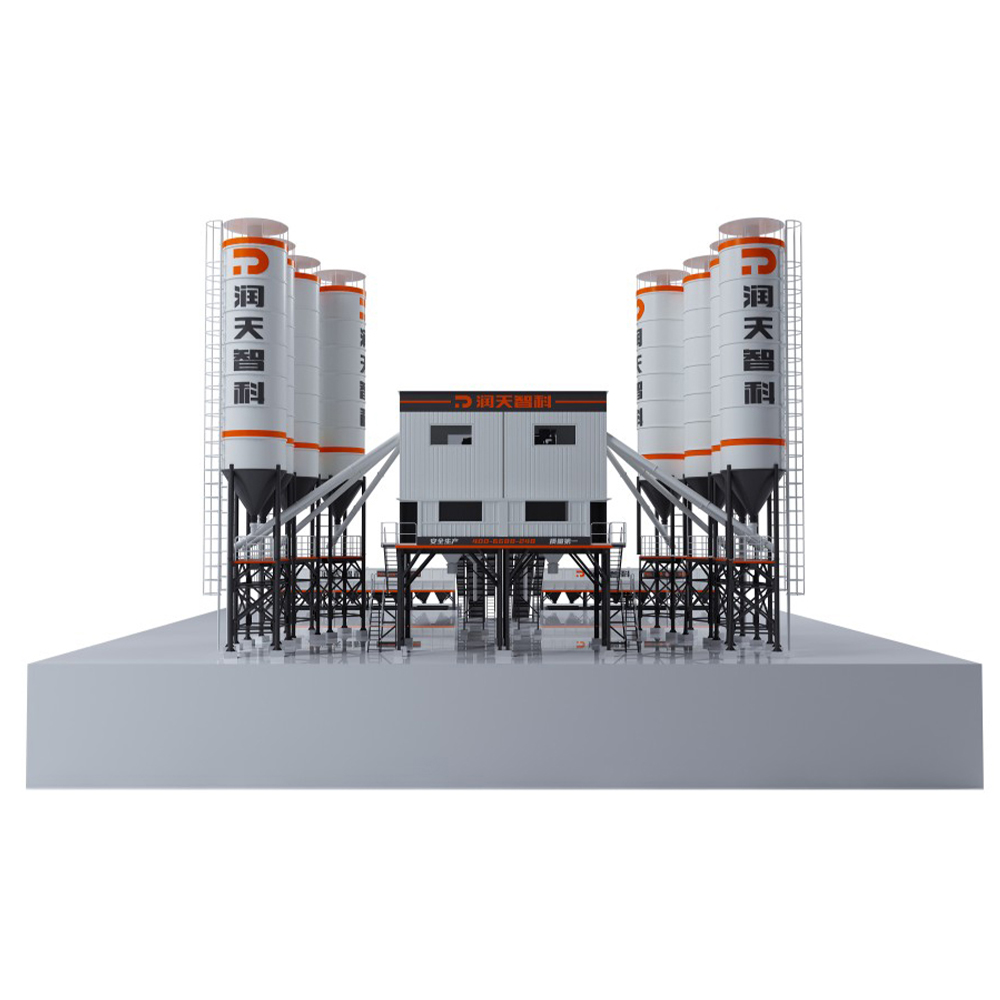
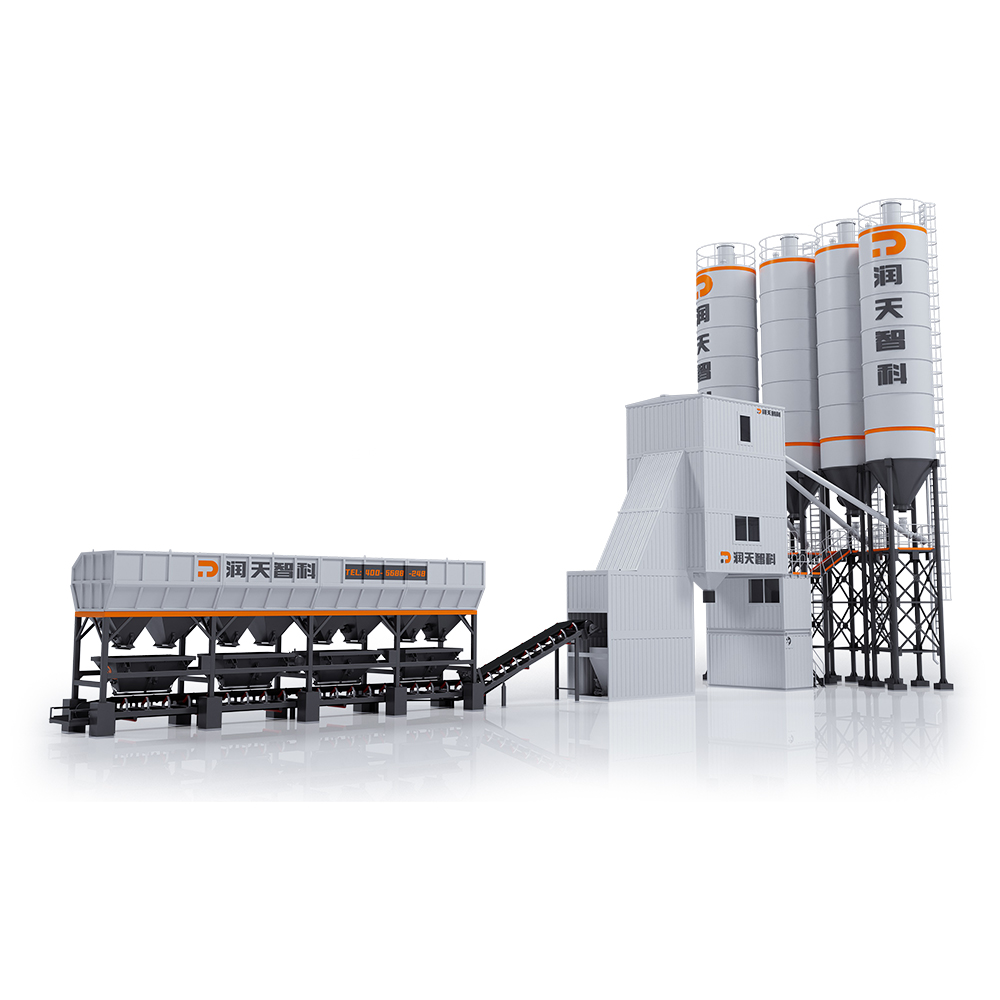
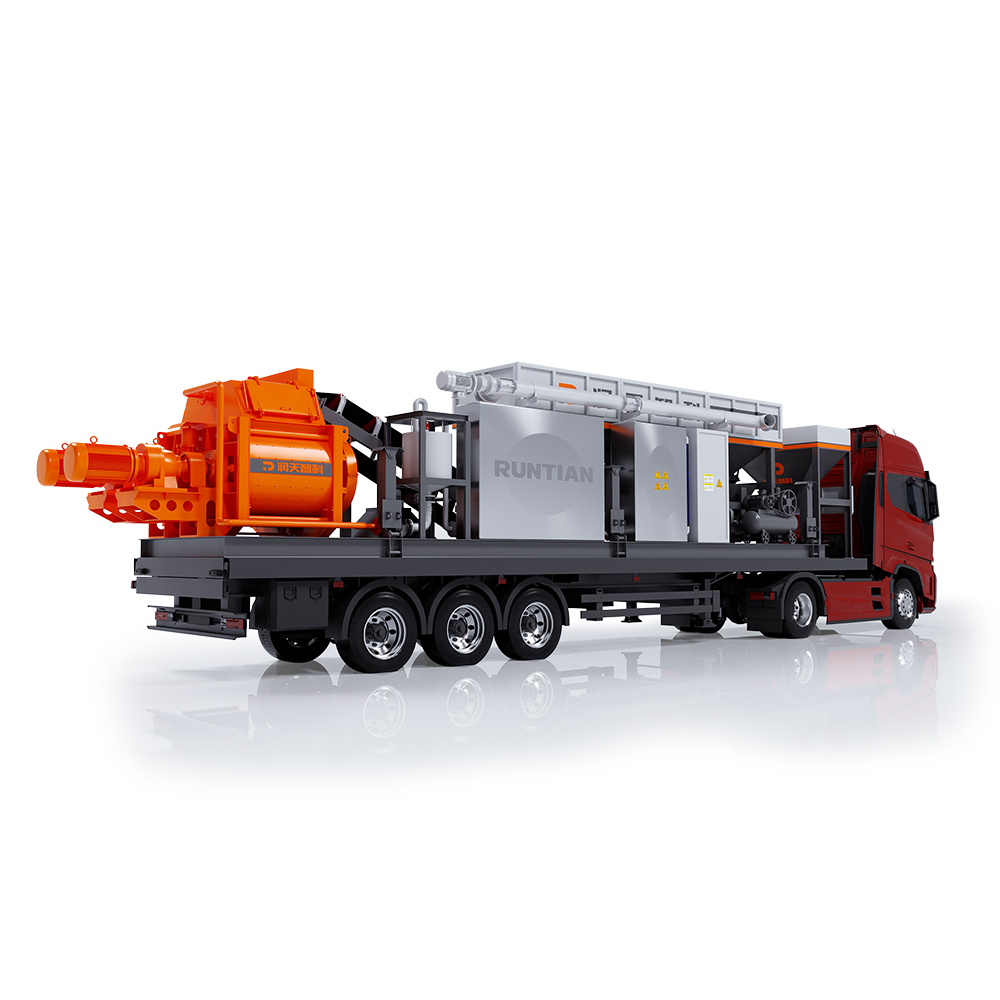
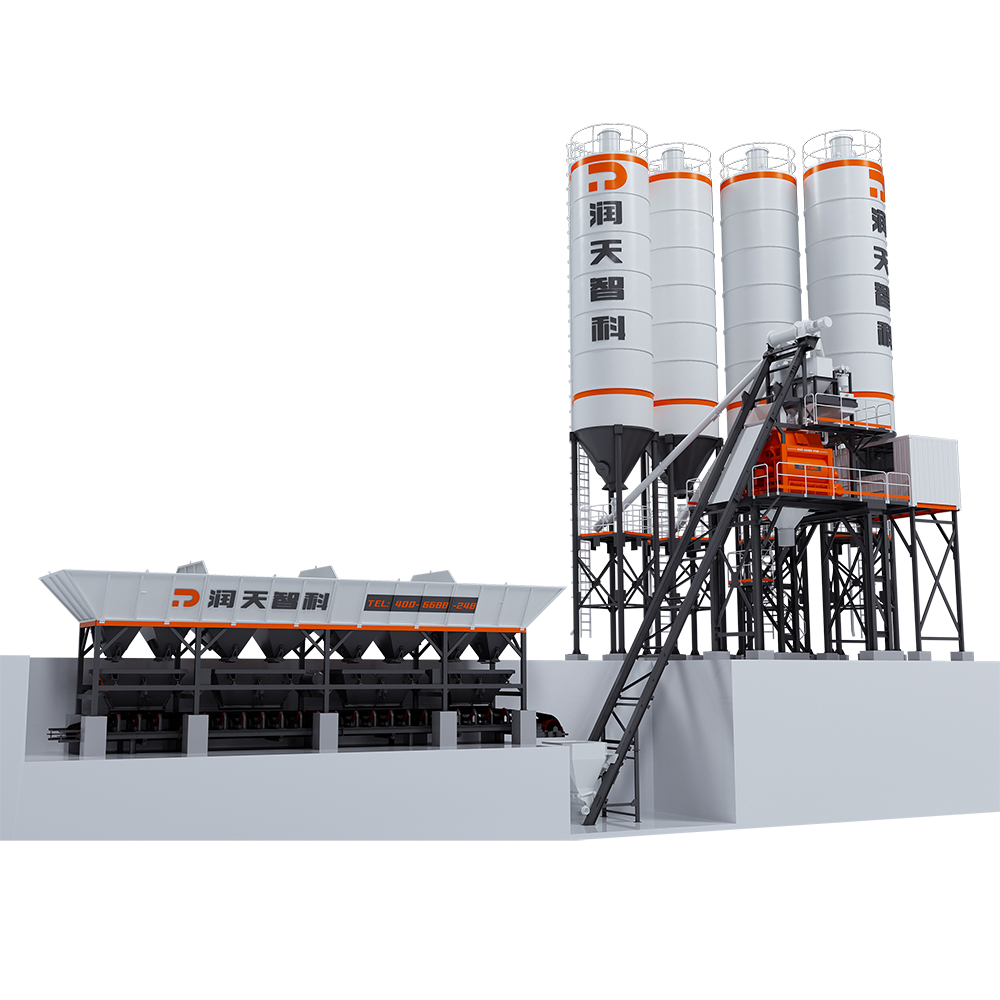
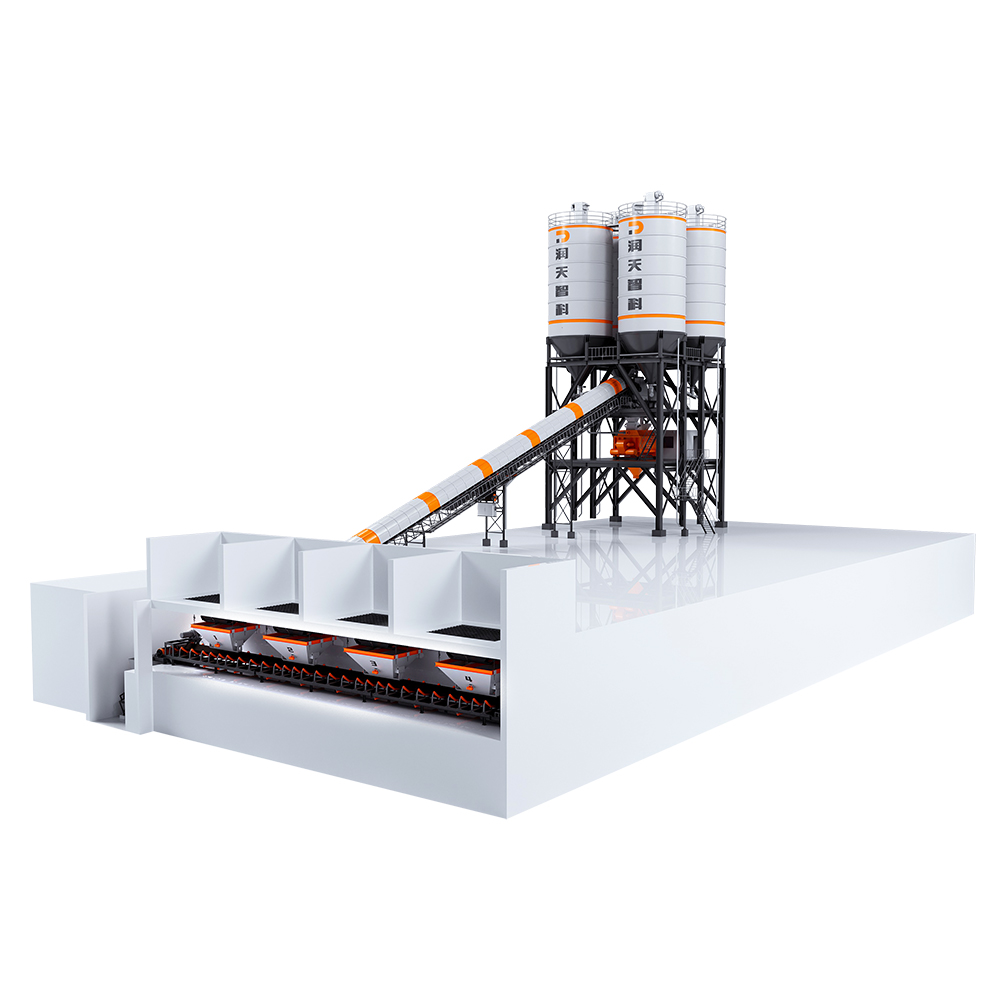
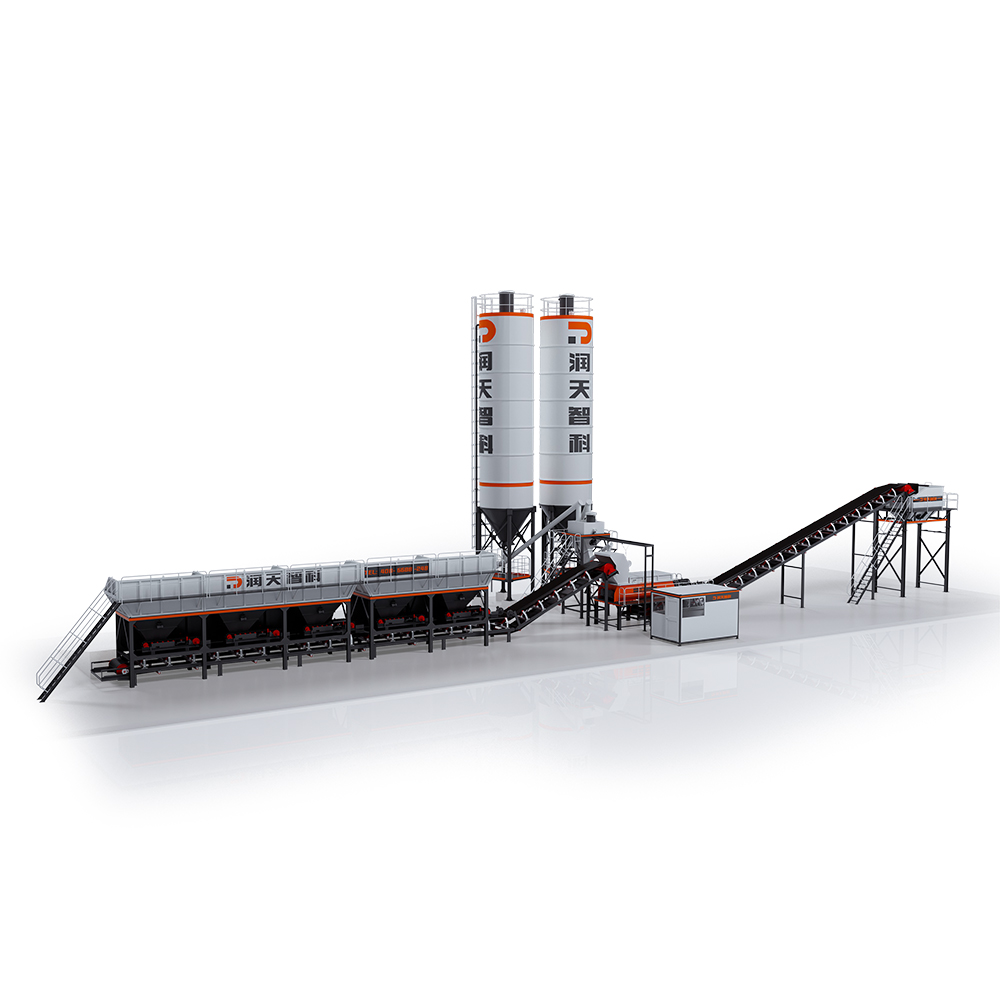
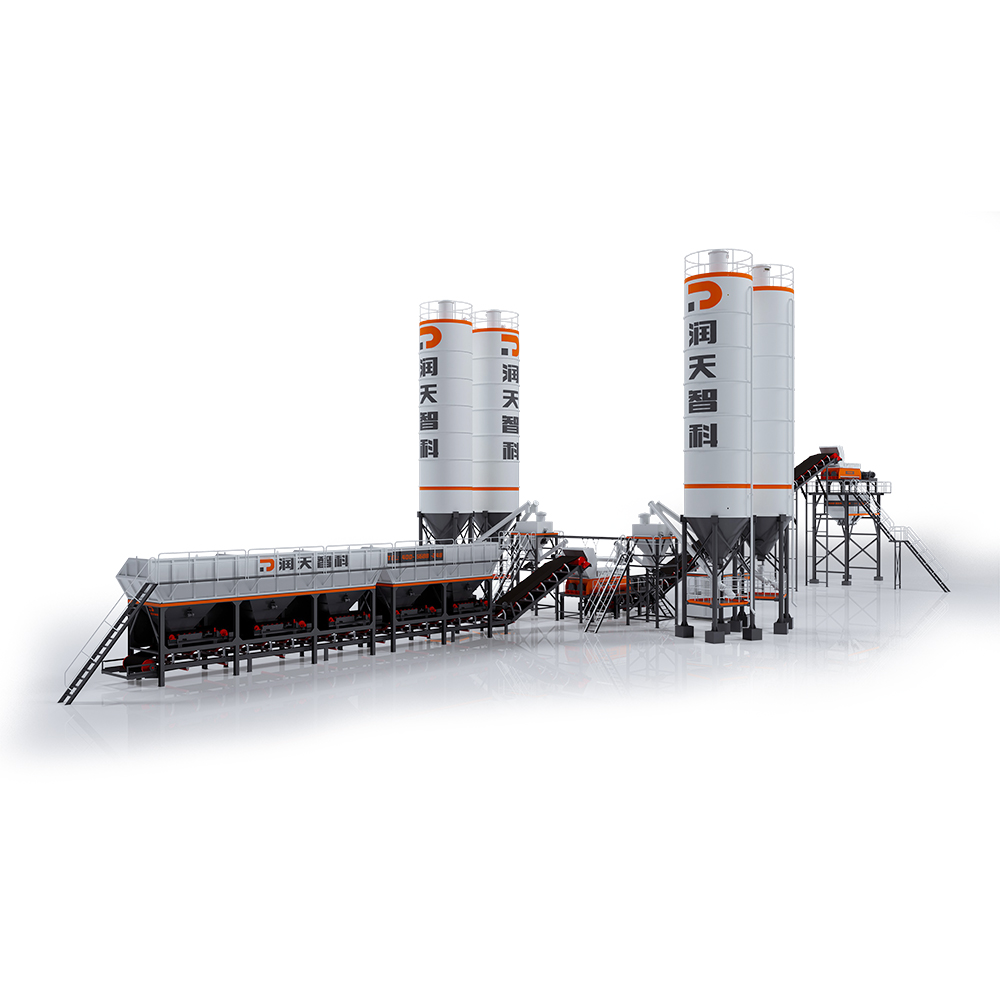
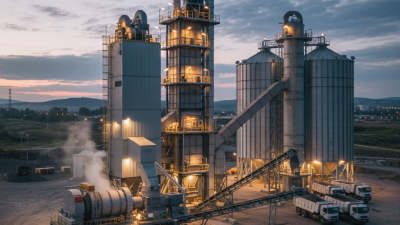
HZS Series Belt Concrete Mixing Plant
HZS Series Bucket-Lifting Type Container Concrete Mixing Plant
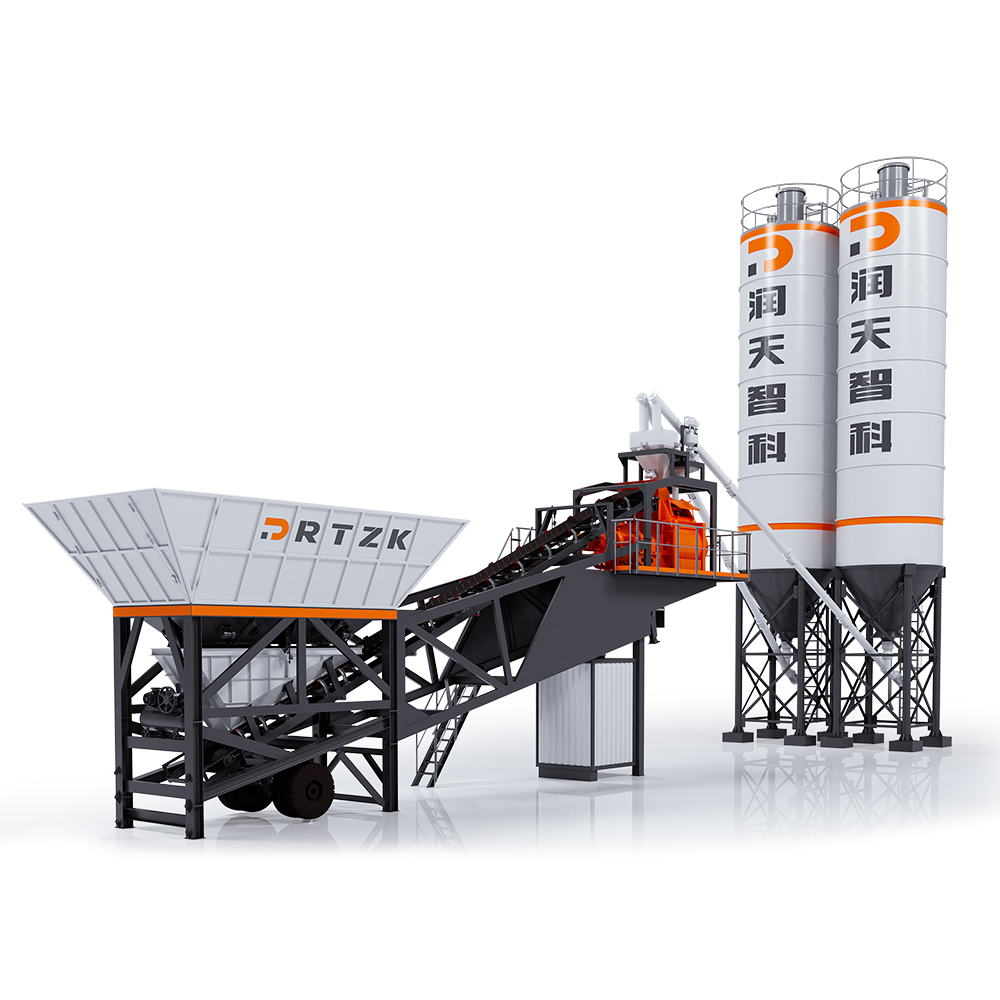
HZS60 Mobile Concrete Mixing Plant
HZS Series Bucket-Lifting Type Concrete Mixing Plant
HZS Series Mobile Concrete Mixing Plant
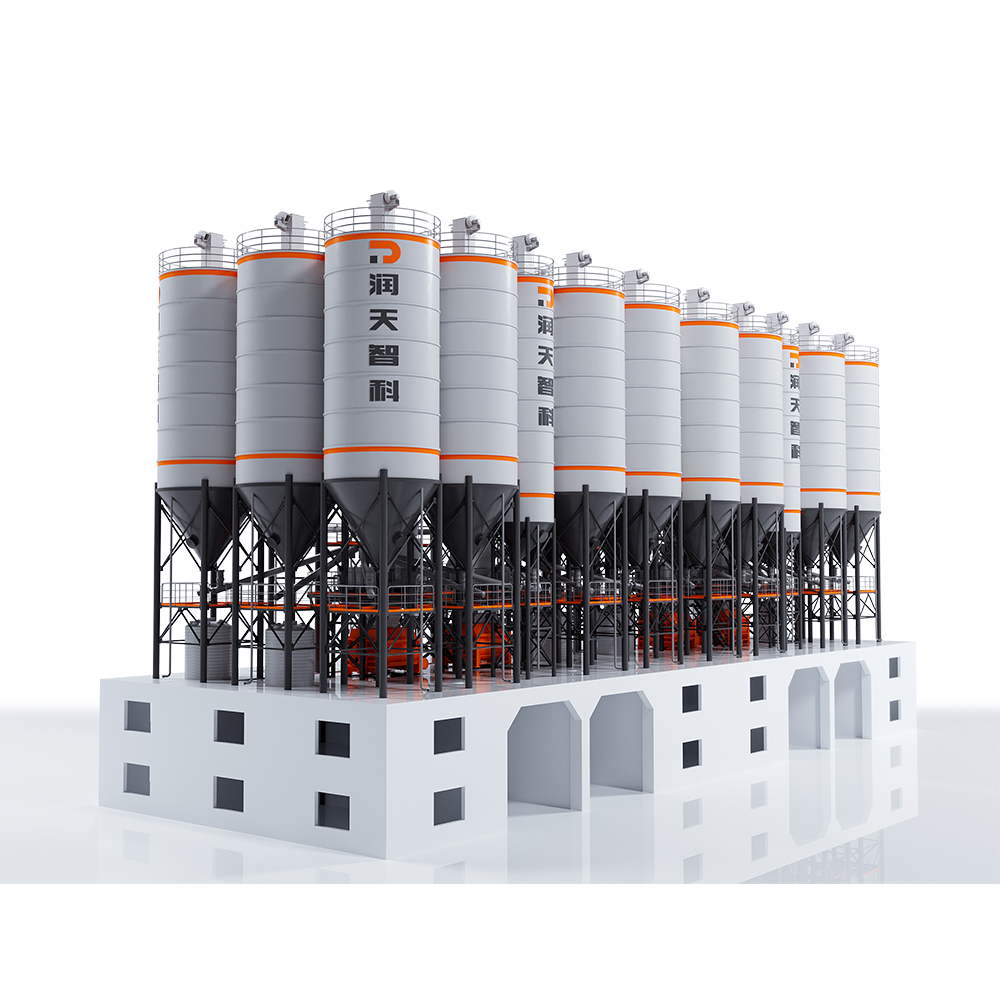
HZS Series Top-Mounted Concrete Mixing plant
HZS Series Semi-Top Mounted Concrete Mixing Plant
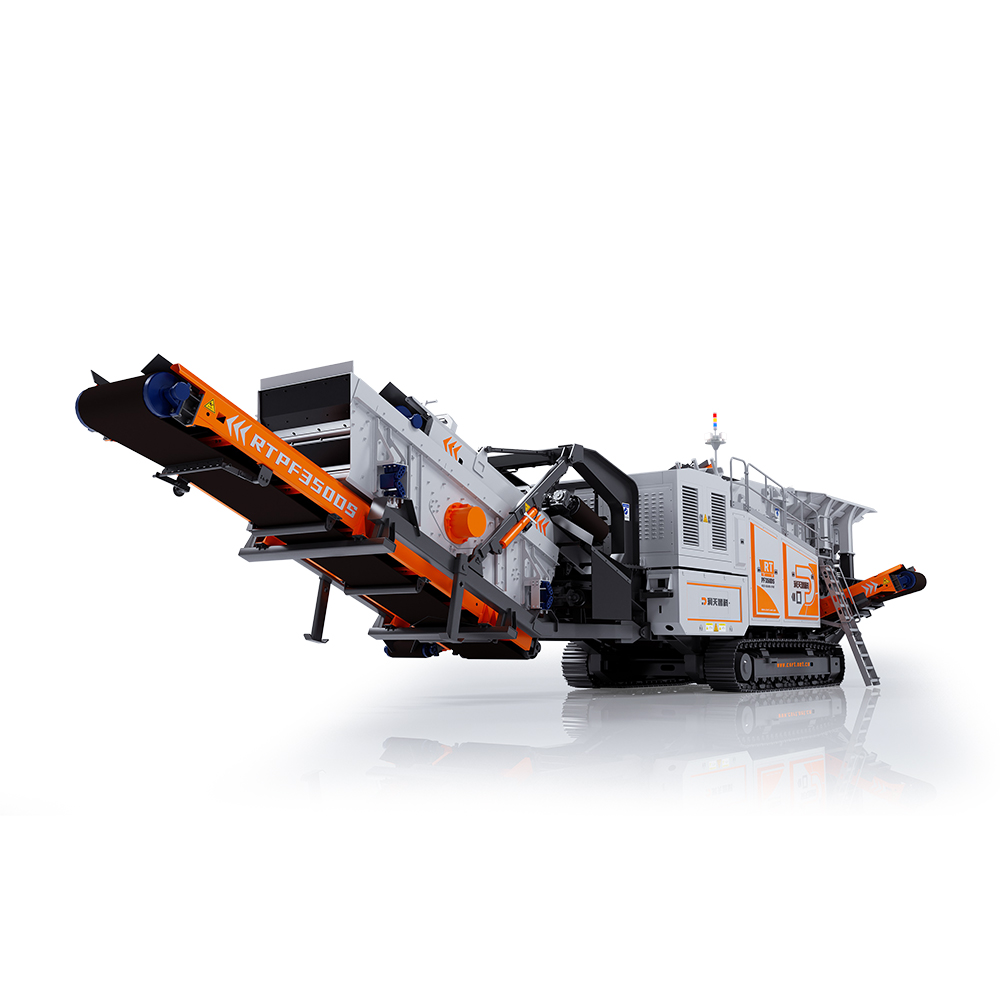
RTPF350DS Crawler Mobile Impact Crushing Plant
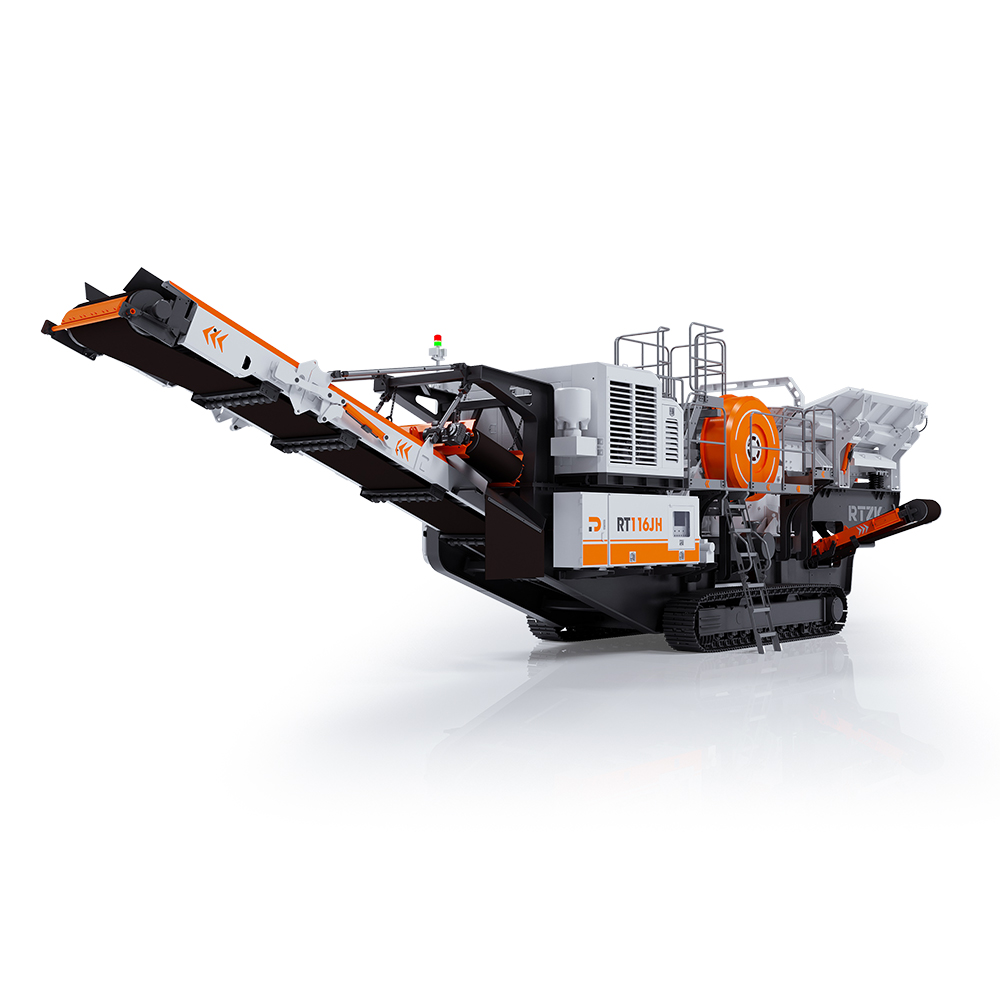
RT116JH Crawler Mobile Jaw Crushing Plant
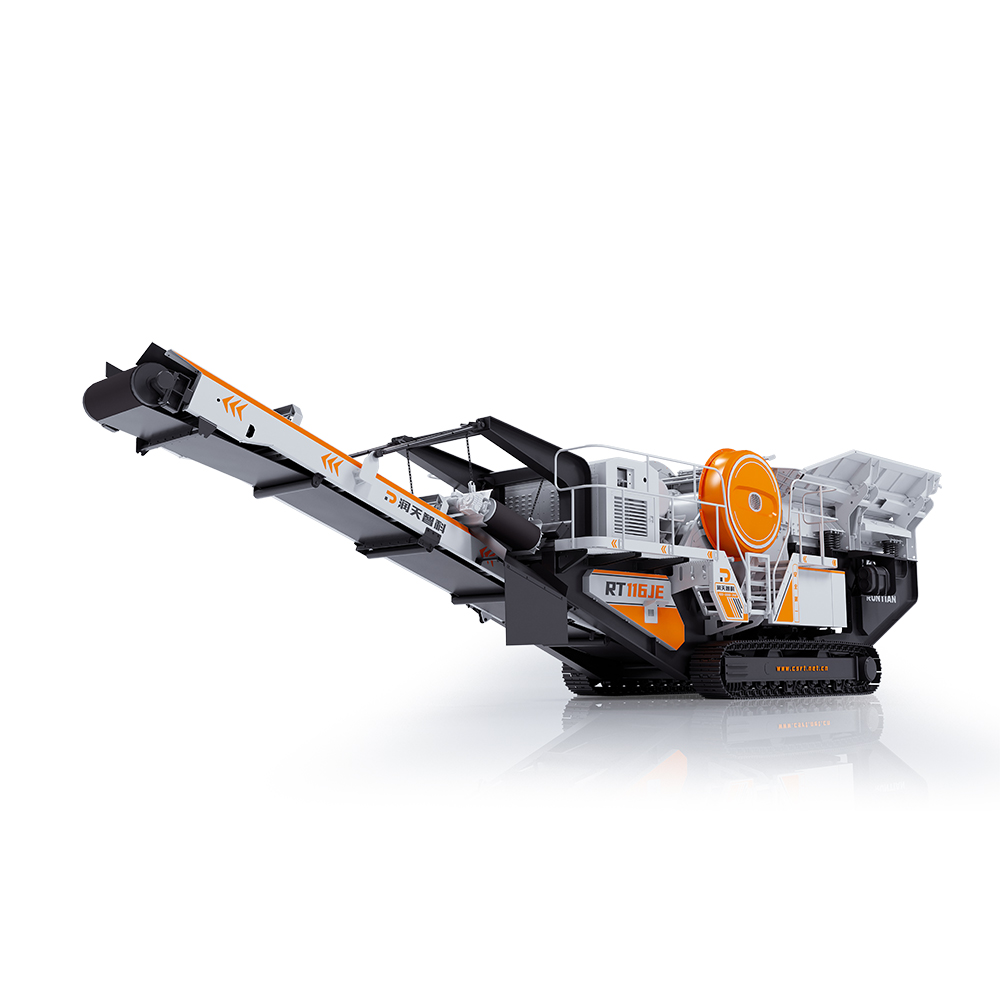
RT116JE Crawler Mobile Jaw Crushing Plant
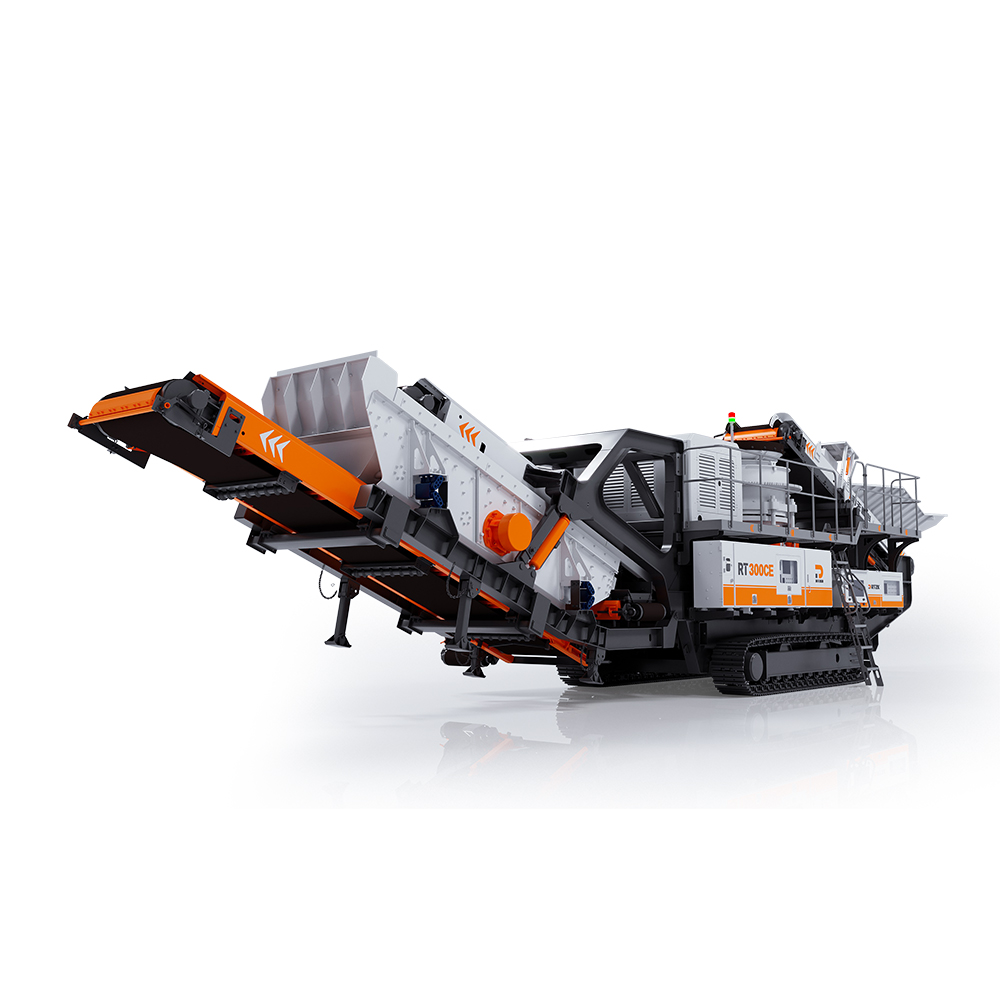
RT300CE Crawler Mobile Cone Crushing Plant
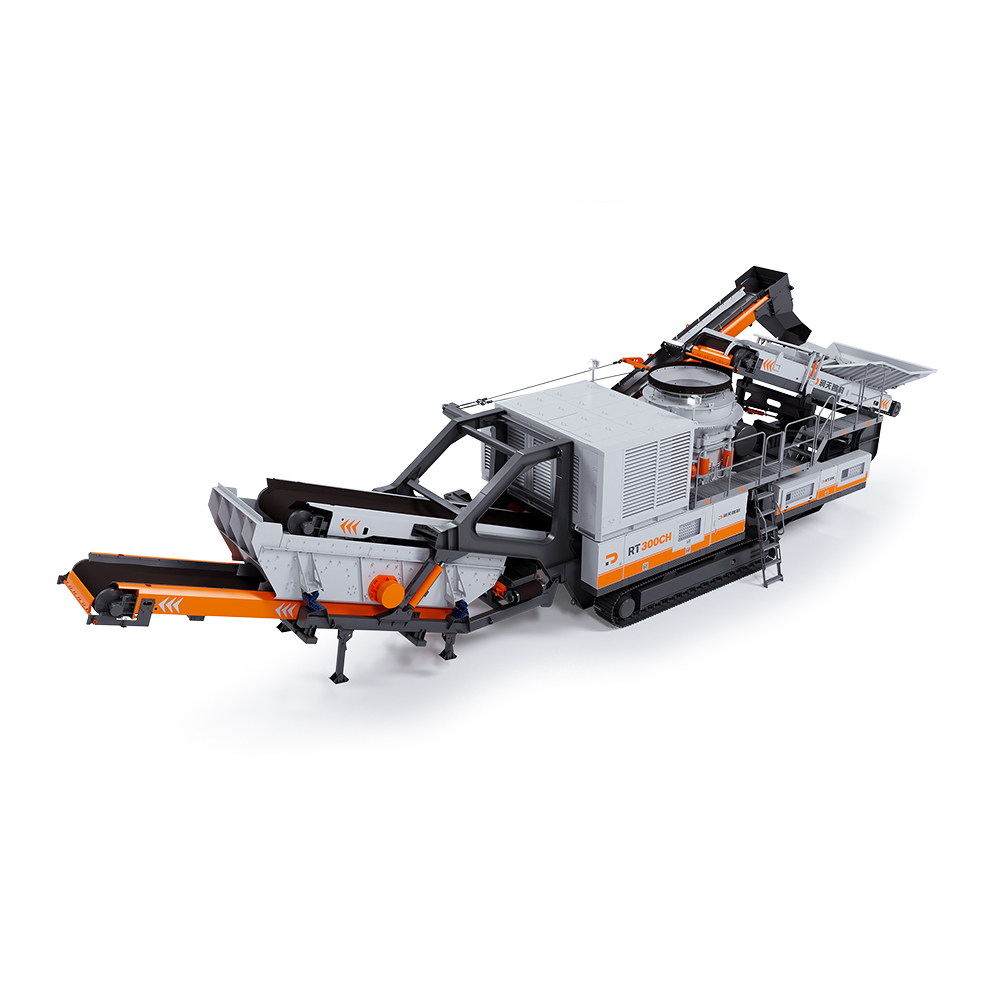
RT300CH Crawler Mobile Cone Crushing Plant
RT5015H Mobile Scalping Screen
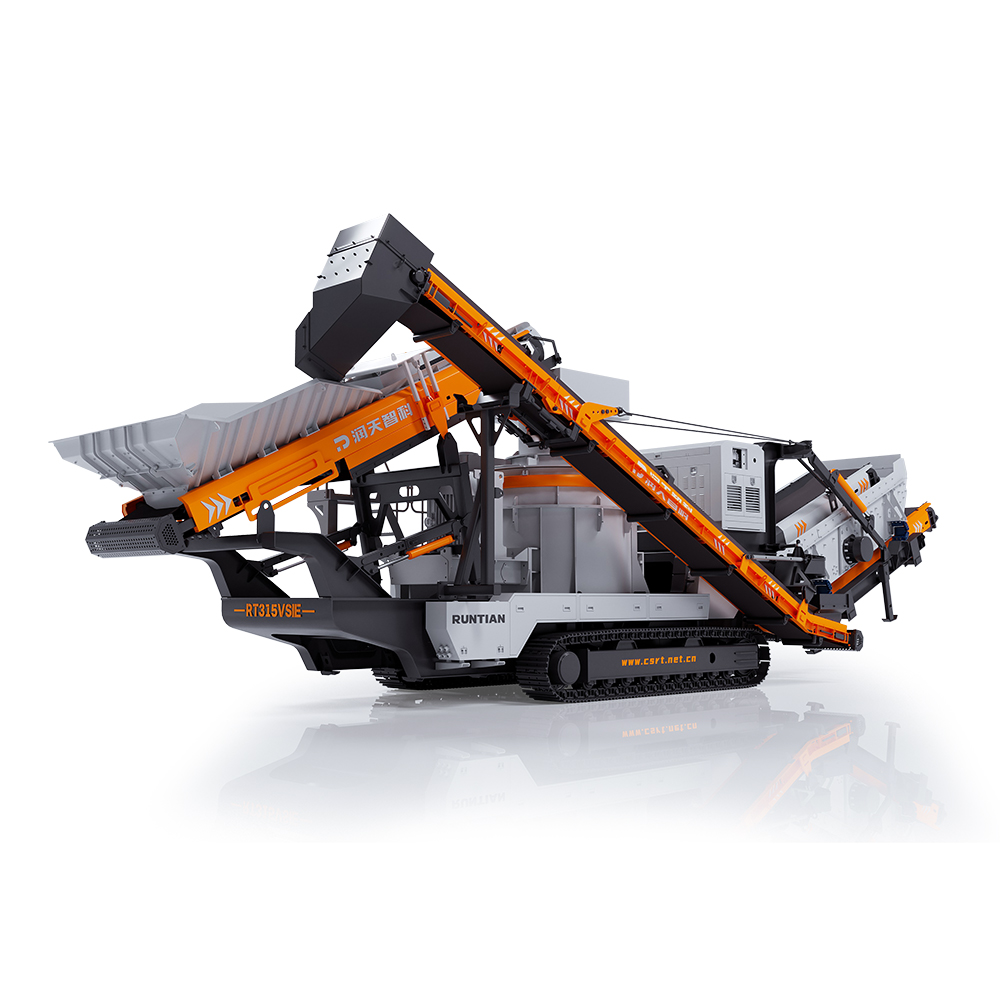
RT315VSIE Crawler Mobile Sand Maker
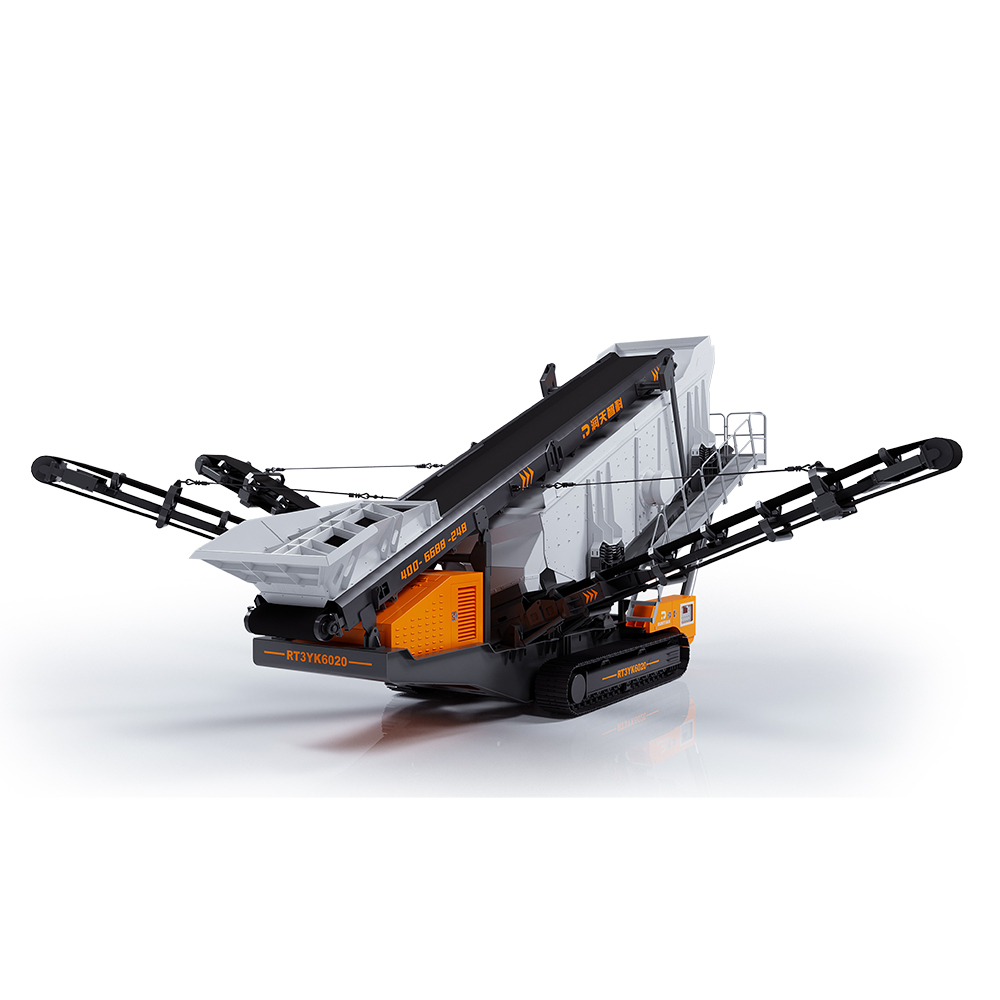
RT3YK6020 Crawler Mobile Screening Plant
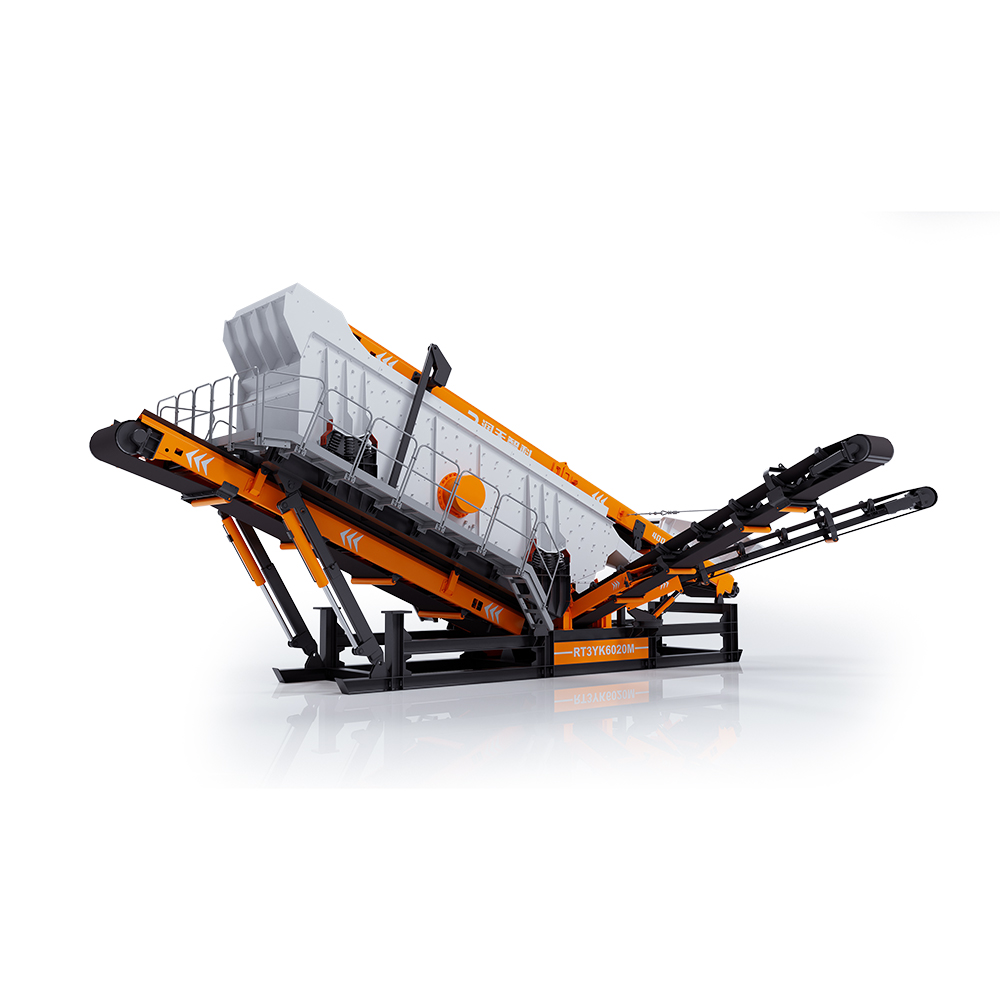
RT3YK6020M Modular Screening Plant
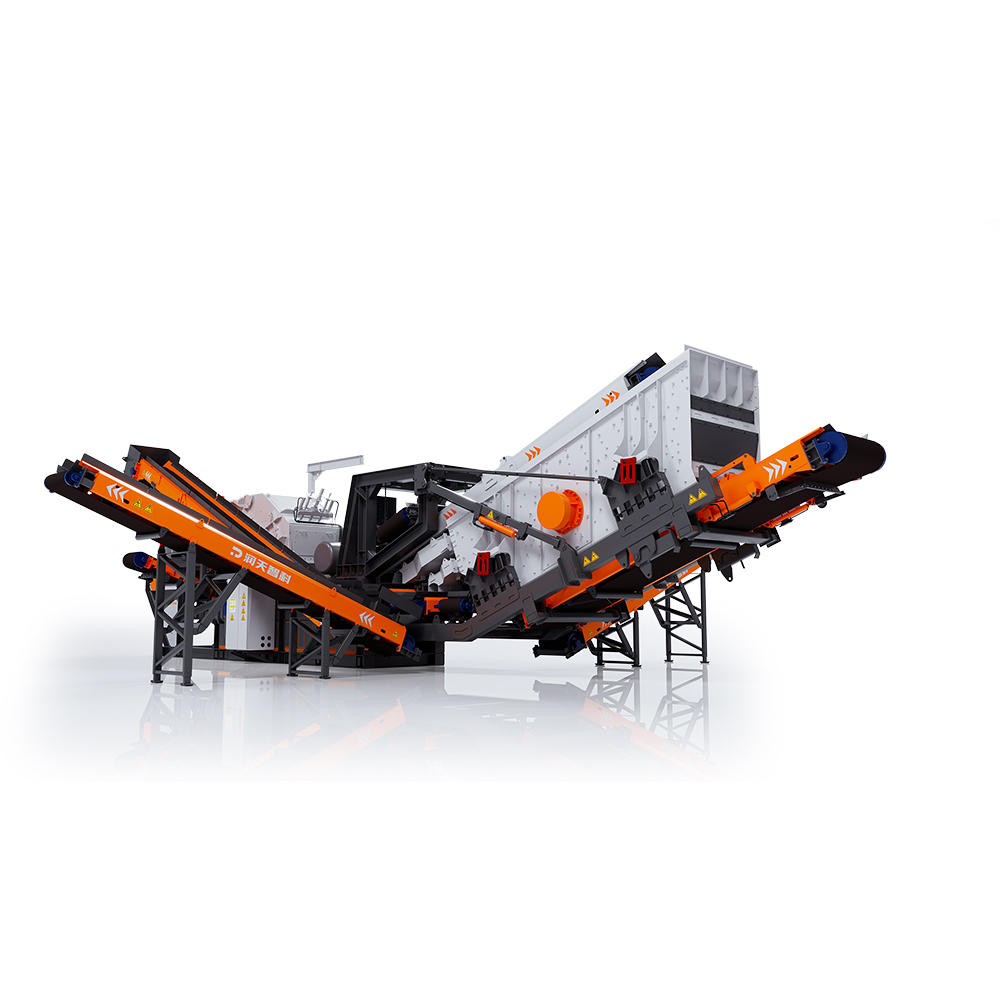
RTF260M Modular Counterattack Crushing and Screening Integrated Machine
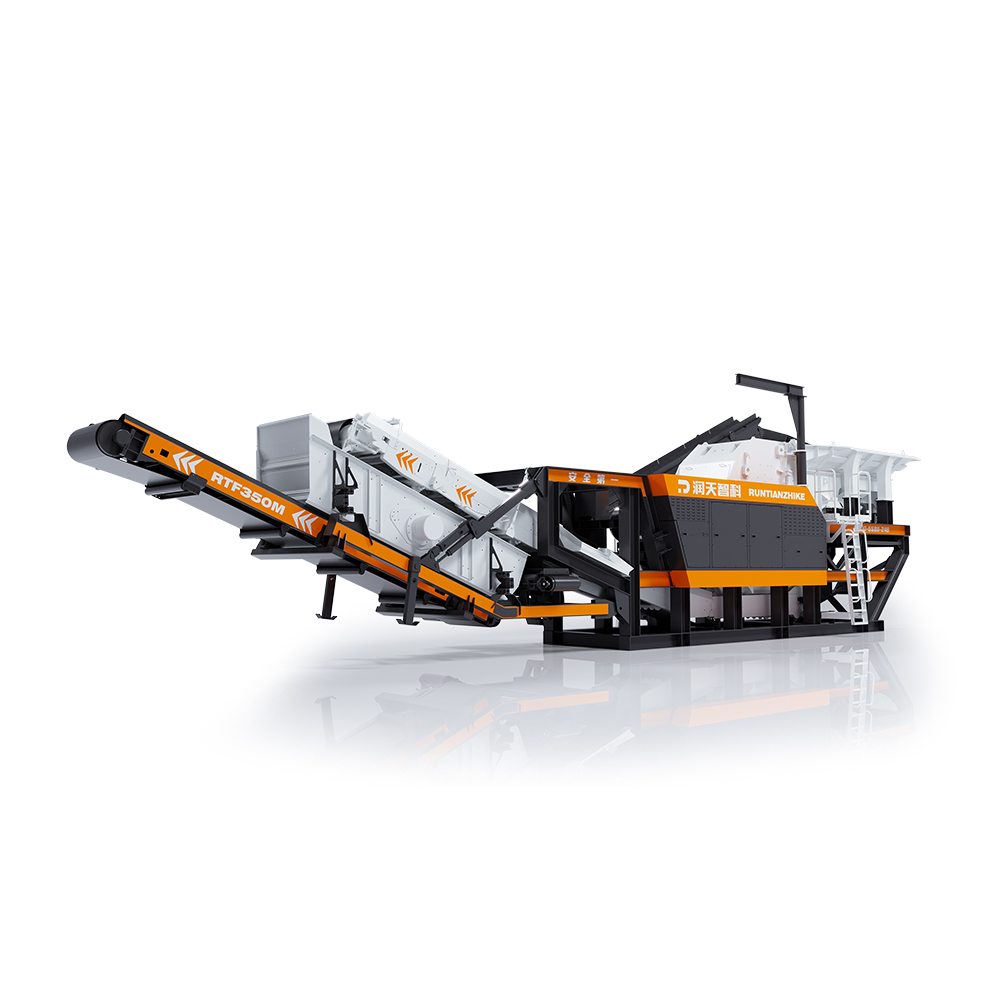
RTF350M Modular Impact Crushing Plant
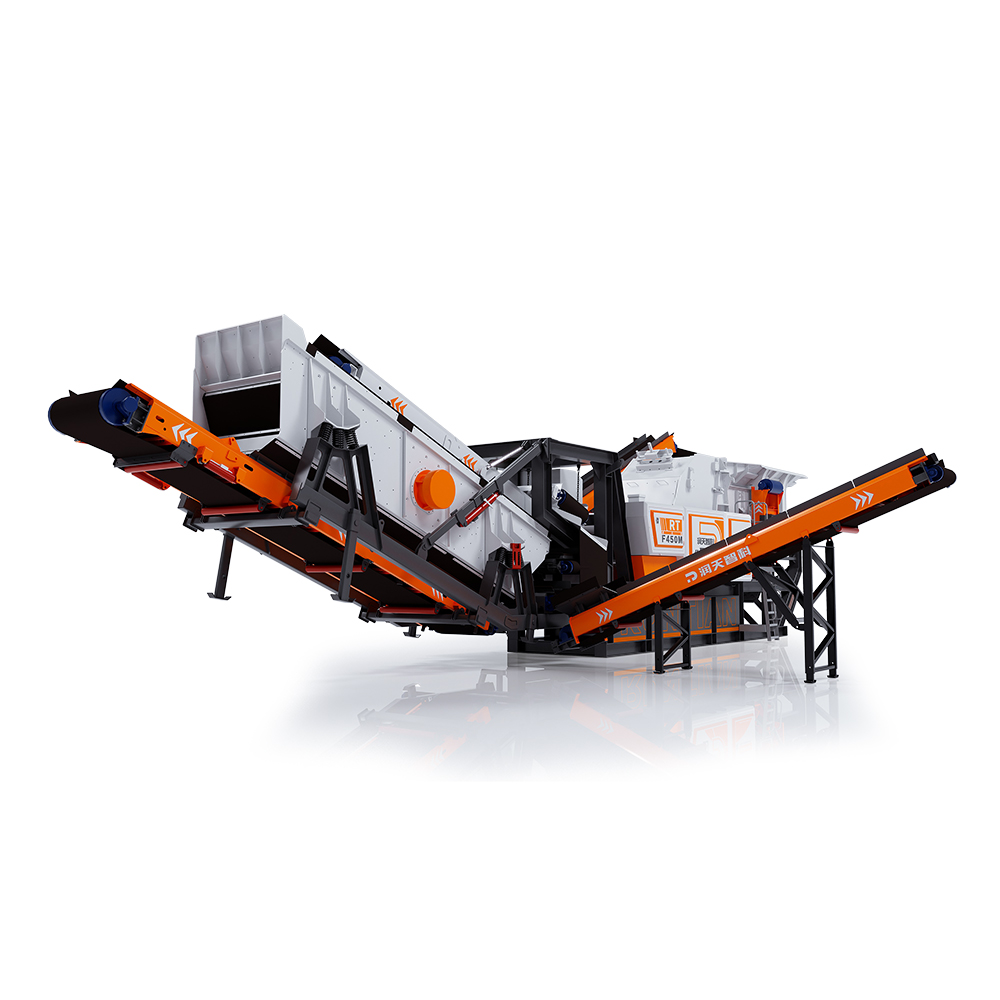
RTF450M Modular Impact Crushing Plant
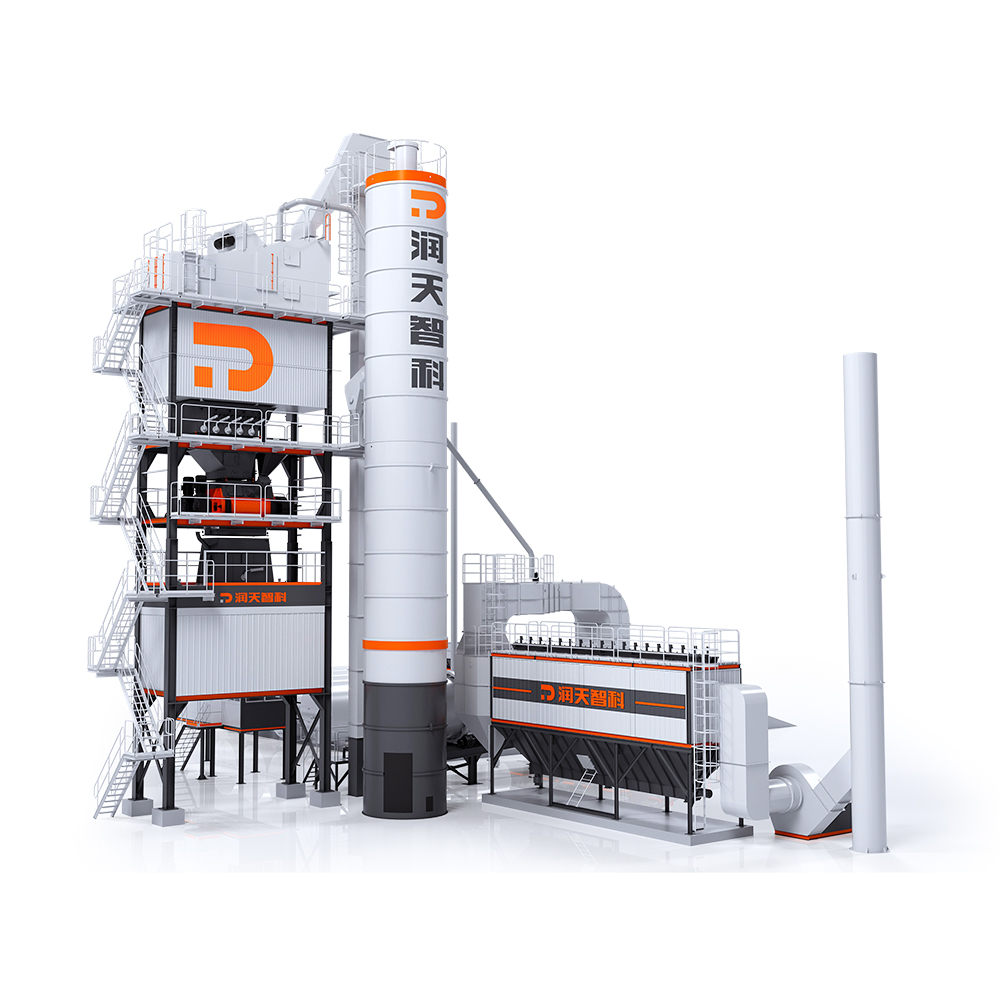
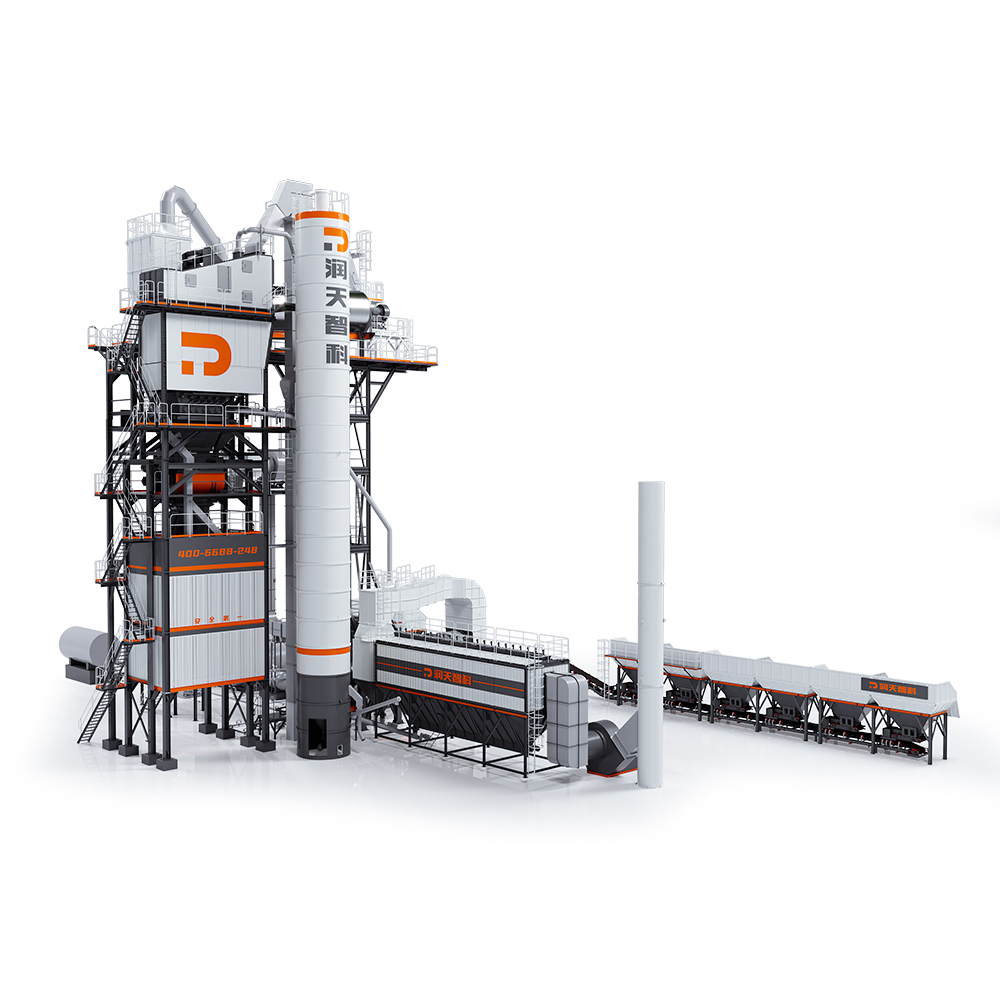
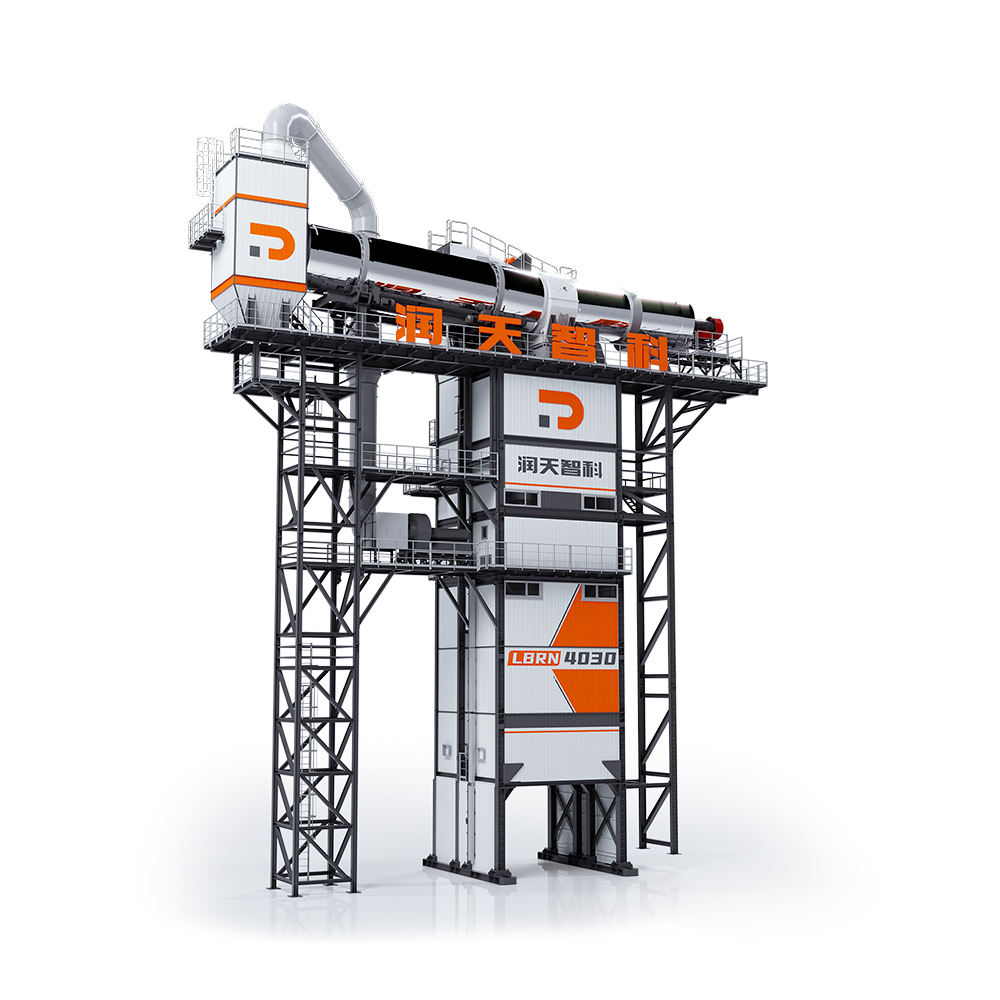
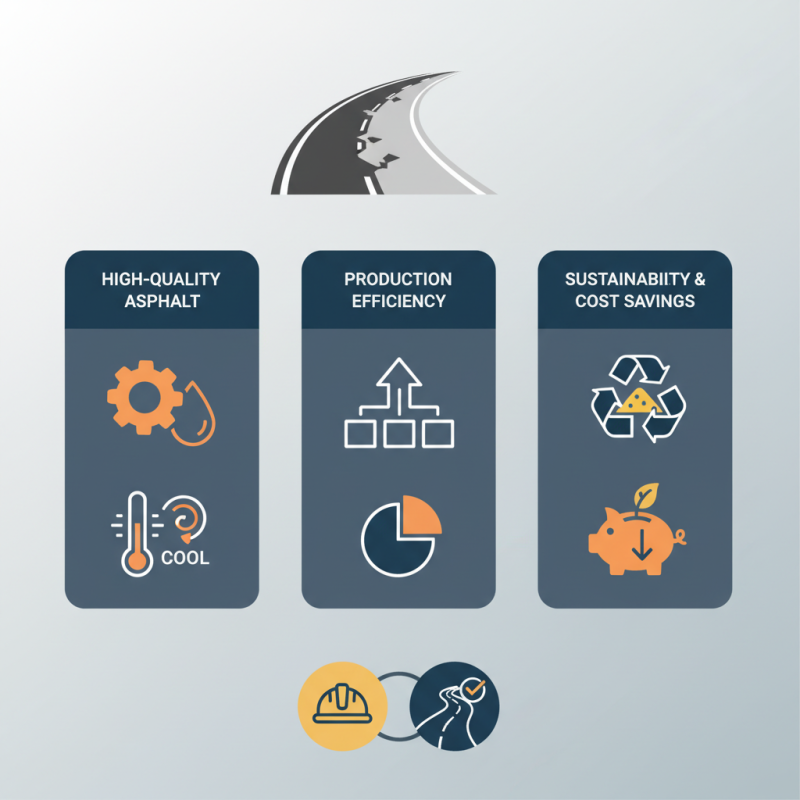
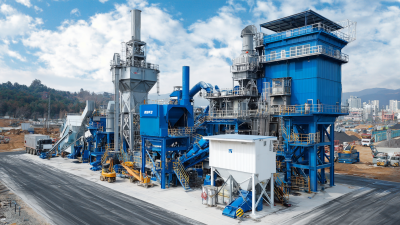
The use of an Asphalt Mixing Plant in construction projects offers numerous advantages. According to a study by the National Asphalt Pavement Association, asphalt comprises about 94% of U.S. paved surfaces. This highlights its significance in road construction and maintenance. An efficient Asphalt Mixing Plant ensures high-quality asphalt and enhances production efficiency.
Effective temperature control in these plants can significantly reduce energy consumption. Reports indicate that asphalt production can achieve energy savings of up to 30% with advanced mixing technologies. Moreover, these plants can recycle up to 100% of reclaimed asphalt pavement (RAP), minimizing waste and promoting sustainability. However, the upfront costs and complexities of managing these plants can be challenging for some operators.
Ensuring consistent quality can also pose challenges. Variability in materials can affect the mix's performance. Companies must invest in training and quality assurance measures. In the long run, the benefits of using an Asphalt Mixing Plant often outweigh the drawbacks. Successful implementation leads to improved road longevity and reduced maintenance costs.
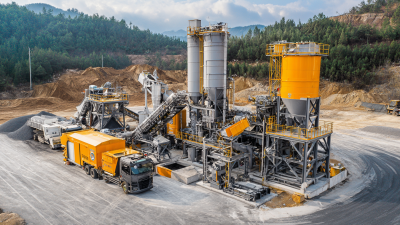
Asphalt mixing plants play a vital role in construction projects. They improve efficiency significantly. These plants ensure that asphalt is mixed consistently and accurately. This consistency leads to better quality roads and pavements.
The speed of production is a major advantage. Mixing plants can produce large quantities of asphalt in a short time. This speed helps meet tight project deadlines. However, it requires careful management. Overlooking maintenance can lead to production delays. Workers must be trained to operate the plants efficiently.
Cost-effectiveness is another benefit. By using asphalt mixing plants, companies can save on materials and labor. Proper mixing reduces waste. Yet, there are challenges in balancing quality and cost. Skimping on ingredients may save money initially but could lead to poor results later. Attention to detail is crucial for success in this field.
Using an asphalt mixing plant can significantly enhance project cost-effectiveness. By producing asphalt on-site, projects reduce transportation costs and delays. This convenience can lead to budget savings. Additionally, the flexibility of blending different asphalt mixtures allows for better adaptation to specific project needs.
Tips: Consider your project’s scale. For larger projects, investing in a mixing plant makes more sense. Smaller projects may not benefit as much. Always evaluate the economic feasibility before making a decision.
Asphalt mixing plants also offer efficiency. They ensure a consistent product quality. However, managing these plants demands skilled operators. A lack of experience might lead to errors in blending materials or running equipment. Take the time to train your team effectively.
Tips: Regular maintenance of the plant is crucial. Neglecting this can lead to breakdowns. Schedule routine checks to ensure smooth operations. Be proactive to avoid costly repairs that can disrupt timelines.
This bar chart illustrates the average cost per ton of asphalt produced using different mixing methods. The cost-effectiveness of using an asphalt mixing plant can lead to significant savings in project expenses, making it a preferred choice for many construction projects.
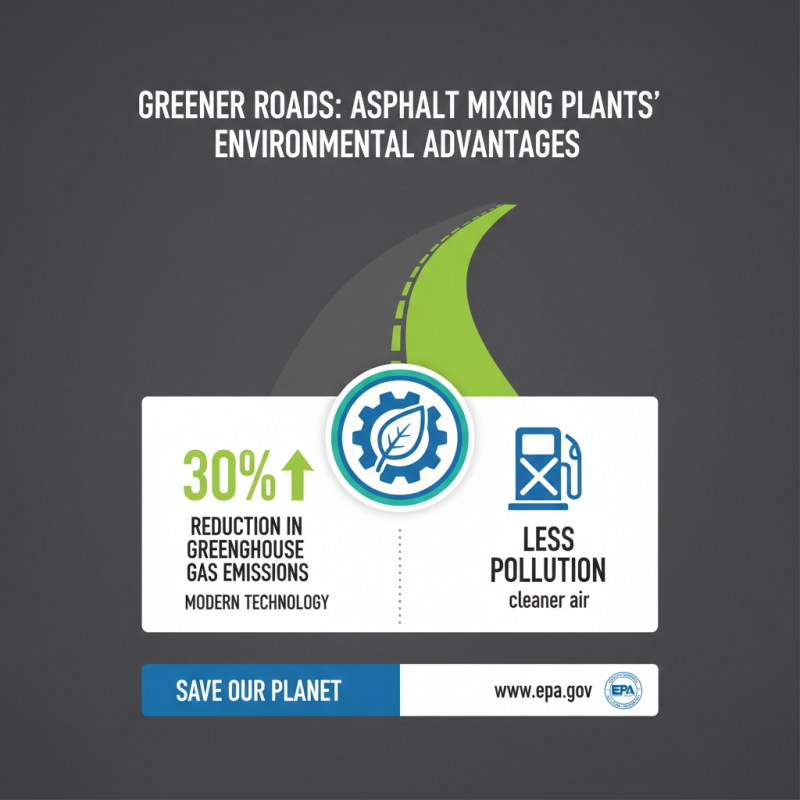
Asphalt mixing plants offer several environmental advantages that are often overlooked. One key benefit is the reduction of greenhouse gas emissions. According to the United States Environmental Protection Agency, using modern asphalt mixing technology can decrease emissions by up to 30%. This is critical as transportation accounts for nearly 29% of total U.S. greenhouse gas emissions.
Another important aspect is the efficient use of materials. Asphalt mixing plants can recycle up to 90% of old asphalt pavement. This process not only conserves resources but also reduces waste in landfills. However, the industry faces challenges with contamination during the recycling process. Ensuring that recycled materials are quality-controlled is essential for optimal environmental benefits.
Furthermore, improved air quality is a notable outcome of efficient operations. Studies indicate that well-managed asphalt plants can significantly reduce particulate matter emissions. Yet, as plants continue to evolve, there remains room for improvement in emission monitoring. Regular assessments are needed to ensure that air quality standards are consistently met. The ongoing advancement of technologies in asphalt mixing plants could further enhance these environmental benefits.
Asphalt mixing plants have significantly enhanced the quality and consistency of asphalt production. A recent industry report indicates that using modern plants can improve asphalt adherence by up to 15%, ensuring longer-lasting roads. The controlled environment of these plants allows precise temperature regulation, leading to a uniform mix. Studies show that consistent asphalt can reduce cracking and deterioration, prolonging pavement life.
When investing in an asphalt mixing plant, consider the equipment's specifications carefully. Quality controls are paramount. Even small fluctuations in temperature can affect the mix's integrity. Regular maintenance is crucial to sustain performance. Pay attention to the blending process; it should ensure even distribution of materials. This helps prevent weak spots in the asphalt, which can lead to costly repairs over time.
Tips for optimizing quality: Monitor the moisture content of aggregate materials. Excess moisture can compromise the bond within the asphalt. Additionally, conduct routine testing of the finished product. This ensures it meets industry standards. Remember that even small errors can result in significant issues later. Reflecting on these aspects can lead to continuous improvement in your asphalt production process.
Asphalt mixing plants provide notable flexibility and customization options. Such features allow operators to produce various asphalt mixes tailored to project specifications. According to recent industry reports, over 60% of asphalt plants now feature modular designs, making them adaptable to different job requirements. This adaptability is essential in a world where construction needs are constantly evolving.
Customization is not just about mix types. It also includes temperature control and additive integration. Plants can produce high-performance mixes such as warm mix asphalt, meeting both environmental and performance standards. Interestingly, reports indicate that warm mix asphalt can reduce emissions by up to 35%. This aspect not only supports sustainability but satisfies regulations too.
Tips: When selecting an asphalt mixing plant, consider how easily it can adjust to different formulations. Also, assess if the plant can integrate innovative materials. Flexibility is crucial for future projects. Regularly evaluate your plant's output quality to ensure it meets evolving standards. This reflection can help identify areas for improvement.
| Benefit | Description | Customization Options | Flexibility |
|---|---|---|---|
| High Quality | Produces asphalt mixtures with consistent quality and performance. | Different mix designs tailored to project requirements. | Easily adaptable to various project scales and specifications. |
| Cost-Effective | Reduces transportation costs by producing asphalt on-site. | Ability to adjust production rates based on project demands. | Can switch between various asphalt mixes as needed. |
| Sustainability | Facilitates recycling of materials like RAP (Reclaimed Asphalt Pavement). | Options for incorporating recycled materials into new mixes. | Flexible settings for eco-friendly production processes. |
| Increased Productivity | Streamlined production processes enhance work efficiency. | Customized controls improve monitoring and adjustments during mixing. | Can rapidly adjust production output based on project needs. |
| Technological Advancements | Incorporates the latest technology for efficiency and performance. | Modern design offers programmable settings for different mixes. | Adapts quickly to new technologies and industry standards. |