2026 Best Asphalt Materials for Durable Road Construction?
As the demand for robust infrastructure grows, the selection of quality asphalt materials becomes pivotal. According to the National Asphalt Pavement Association, over 94% of all paved roads in the U.S. use asphalt. This fact highlights the prevalence of asphalt materials in road construction. Choosing the right materials ensures durability and longevity, reducing maintenance costs over time.
However, not all asphalt materials are created equal. Factors such as climate conditions and traffic volume can influence performance. For instance, colder regions may require specific additives to prevent cracking. Industry experts indicate that incorporating recycled asphalt can enhance performance, yet doubts remain about its long-term effectiveness.
As we approach 2026, the focus on sustainable practices in the asphalt industry intensifies. The goal is not just to build roads but to create resilient, eco-friendly infrastructures. Thus, evaluating the best asphalt materials is essential for an effective road system.

Overview of Asphalt Materials Used in Road Construction
Asphalt materials play a vital role in road construction. These materials are essential for creating durable and resilient surfaces. The quality of asphalt can significantly affect the lifespan of a road. According to the National Asphalt Pavement Association, around 90% of paved roads in the U.S. use asphalt. This highlights its importance in infrastructure.
Different types of asphalt exist today. Hot mix asphalt (HMA) is the most common type used. It withstands heavy traffic loads and demanding weather conditions. Recent studies suggest that using polymer-modified asphalt enhances durability. This can extend a road’s lifespan by up to 50%. It’s interesting, though, that not all regions adopt these advanced materials due to cost constraints.
Moreover, the recycling of asphalt is becoming increasingly popular. Reclaimed Asphalt Pavement (RAP) reduces waste and conserves natural resources. Reports indicate that using RAP can lower production costs by 20% to 30%. Despite these benefits, some contractors remain cautious. There are concerns about performance consistency when using recycled materials. These challenges need to be addressed for better road construction practices.
2026 Best Asphalt Materials for Durable Road Construction
| Material Type |
Composition |
Benefits |
Ideal Use Cases |
Durability Rating |
| Hot Mix Asphalt (HMA) |
Aggregate, asphalt binder, and filler |
High performance, durability, flexibility |
High-traffic roads, highways |
Excellent |
| Warm Mix Asphalt (WMA) |
Aggregate, modified asphalt binder |
Lower temperature production, reduced emissions |
Urban roads, milder climates |
Good |
| Porous Asphalt |
Permeable aggregate mix |
Drainage, reduced hydroplaning |
Parking lots, low-volume roads |
Fair |
| Reclaimed Asphalt Pavement (RAP) |
Old asphalt pavements recycled |
Cost-effective, sustainable |
All road types |
Good |
| Polymer-Modified Asphalt |
Asphalt binder mixed with polymers |
Enhanced elasticity, resistance to cracking |
Heavy-duty pavements, airport runways |
Excellent |
Characteristics of Durable Asphalt for Long-lasting Roads
When it comes to durable road construction, the choice of asphalt materials plays a crucial role. A strong asphalt mix must have specific characteristics to withstand daily wear and tear. Flexible yet sturdy, this material needs to absorb shocks from traffic without cracking. Repeated stress can lead to surface damage if not properly addressed.
Temperature stability is also vital. Hot weather can soften asphalt, while cold can make it brittle. A superior blend adjusts well to temperature fluctuations. Importantly, adding recycled materials can enhance durability. Mixing in reclaimed asphalt pavement can improve the structure. However, achieving the right balance is challenging. Overdoing recycled content can weaken the mix.
Another important factor is moisture resistance. Moisture can create potholes or diminish the lifespan of roads. A durable asphalt mix should repel water effectively. Techniques such as warm-mix asphalt technology can help. This method reduces the temperature needed for mixing, improving adhesion and moisture protection. Roads built with this knowledge may last longer. Still, constant maintenance and monitoring are necessary to maintain integrity over time.
Comparison of Different Asphalt Types for Performance
Asphalt materials come in various types, each with unique properties. Choosing the right one is crucial for long-lasting roads. Hot mix asphalt is popular for its durability. It’s suitable for high-traffic areas due to its strong binding characteristics. However, temperature sensitivity can be an issue.
Warm mix asphalt serves as an eco-friendly alternative. It requires less energy to produce. This type can reduce emissions but may not perform as well in extreme temperatures. Cold mix asphalt, while easy to apply, often lacks the longevity of its hotter counterparts. Its performance in varying conditions raises questions about its reliability.
Testing different asphalt types in real-world scenarios reveals mixed results. Some materials outperform expectations in specific climates. Yet, others may fail under stress. The challenge remains in understanding which type works best for local conditions. Exploring these nuances can lead to smarter decisions in road construction.
2026 Best Asphalt Materials for Durable Road Construction
This chart compares different asphalt types used in road construction, evaluating their durability based on a scale from 1 to 10. The Performance Grade (PG 76-22) and Polymer-Modified Asphalt show the highest durability ratings, making them ideal choices for long-lasting road surfaces.
Factors Influencing the Selection of Asphalt Materials
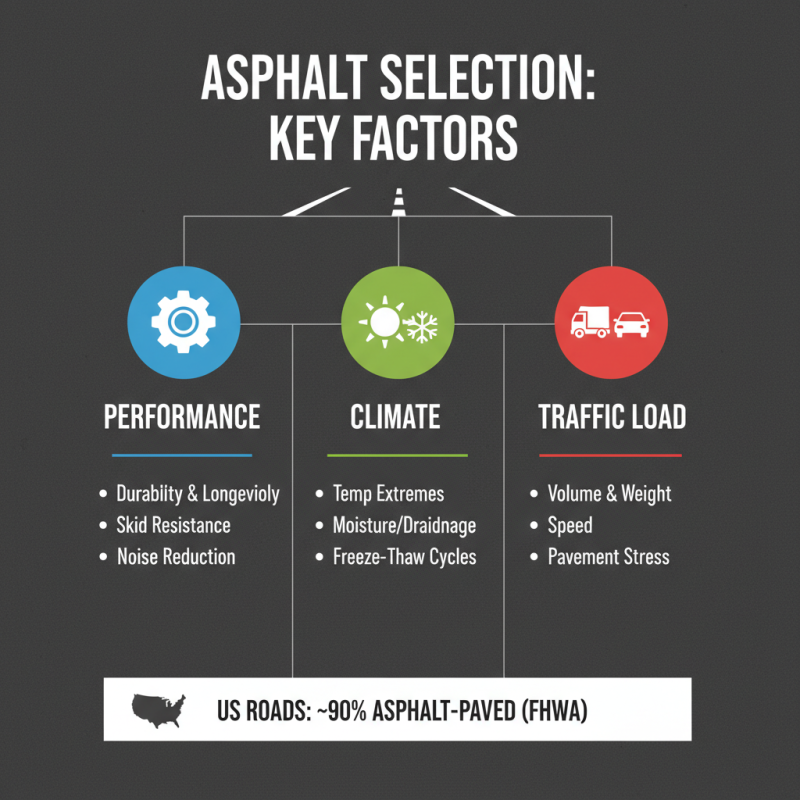
When selecting asphalt materials for road construction, several critical factors come into play. The choice often hinges on performance characteristics, climate, and traffic load. According to the Federal Highway Administration, nearly 90% of roads in the U.S. are paved with asphalt. Therefore, understanding the properties of different asphalt mixes is essential.
Temperature variations can significantly impact asphalt durability. Warm-mix asphalt performs better in various climates, reducing emissions during application. Meanwhile, heavy traffic regions require high-stability mixtures to minimize rutting and distress. Research shows that using polymer-modified asphalt can extend road life by up to 20%. Additionally, the local availability of materials also influences decisions, sometimes overshadowing performance concerns. This raises questions about balanced decision-making in material selection.
Moreover, economic factors cannot be ignored. The average cost of asphalt paving fluctuates, influenced by oil prices and material availability. Budget constraints often lead to compromises on quality. Local governments aim for cost-effective solutions, yet the long-term performance can suffer as a result. Hence, the choice of asphalt materials should not solely rely on immediate financial considerations but should also account for sustainability and longevity factors.
Future Trends in Asphalt Technology for Road Durability
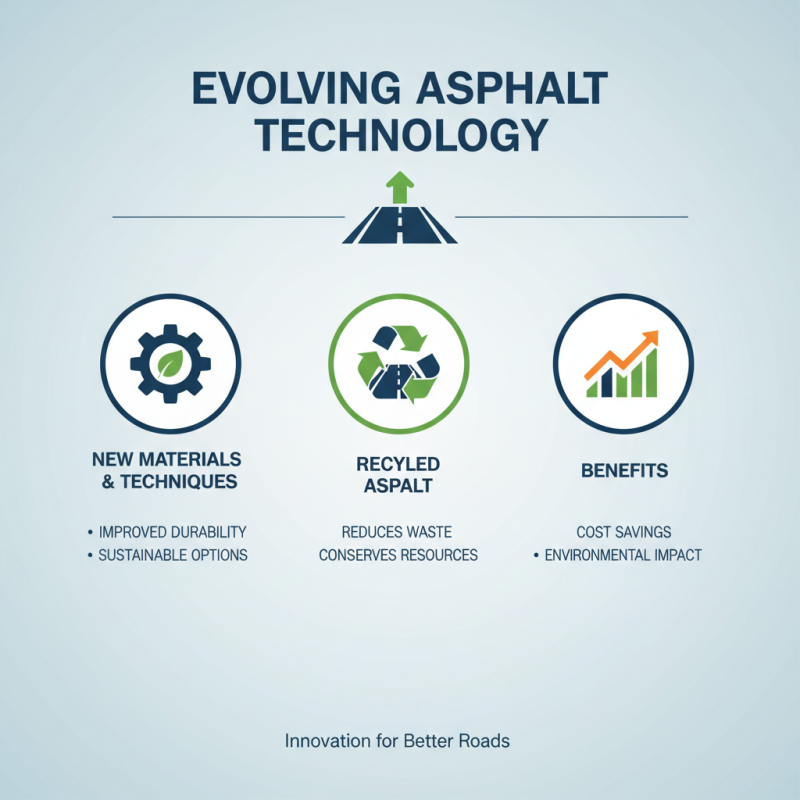
Asphalt technology is evolving. New materials and techniques are emerging to improve road durability. Researchers are exploring sustainable options, such as recycled asphalt. These innovations can lead to significant cost savings and environmental benefits.
One exciting trend is the use of modified asphalt mixes. These blends incorporate additives that enhance flexibility. Such enhancements help roads withstand extreme weather conditions. However, the long-term performance of these materials still needs evaluation.
Another focus is on intelligent pavement systems. These systems can monitor road conditions in real-time. They provide data for maintenance needs, potentially extending road life. Yet, implementing this technology poses challenges. It requires significant investment and expertise. The road ahead remains uncertain, but the potential for improvement is vast.

 Concrete Mixing Plant
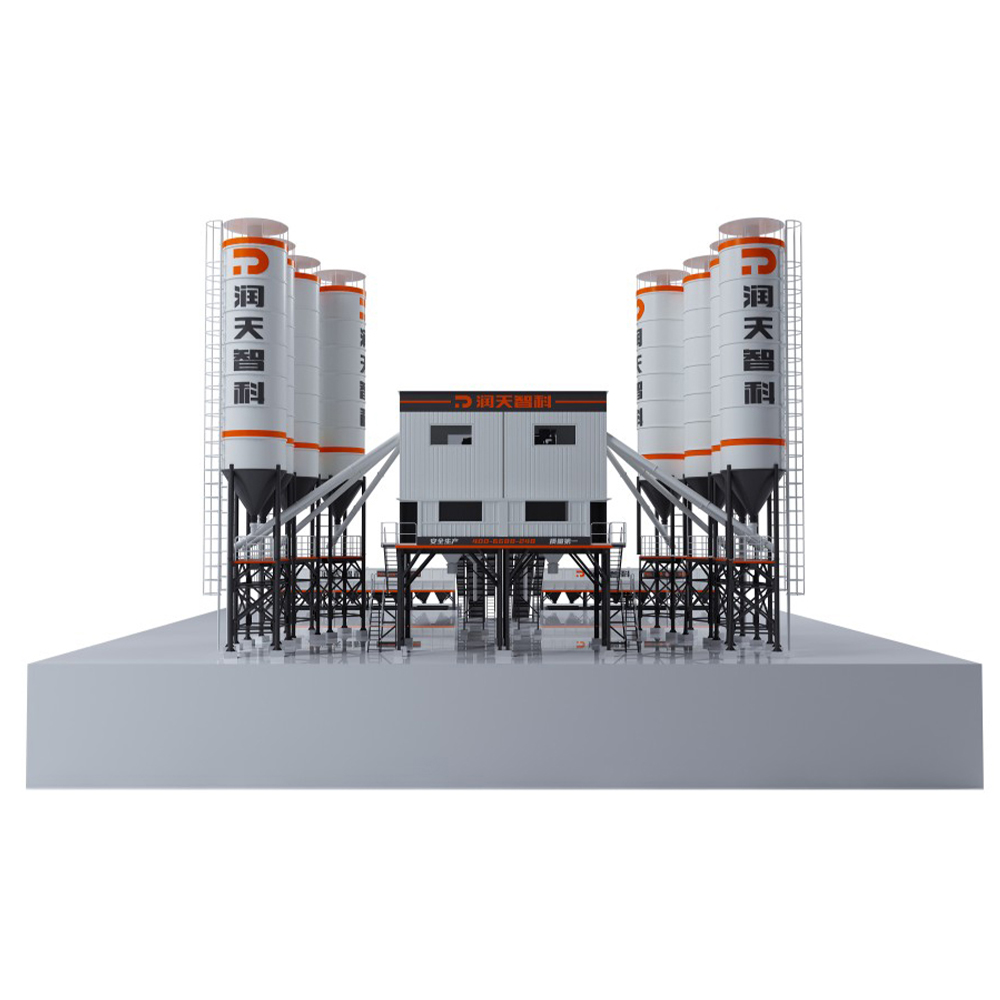 HZS Series Belt Concrete Mixing Plant
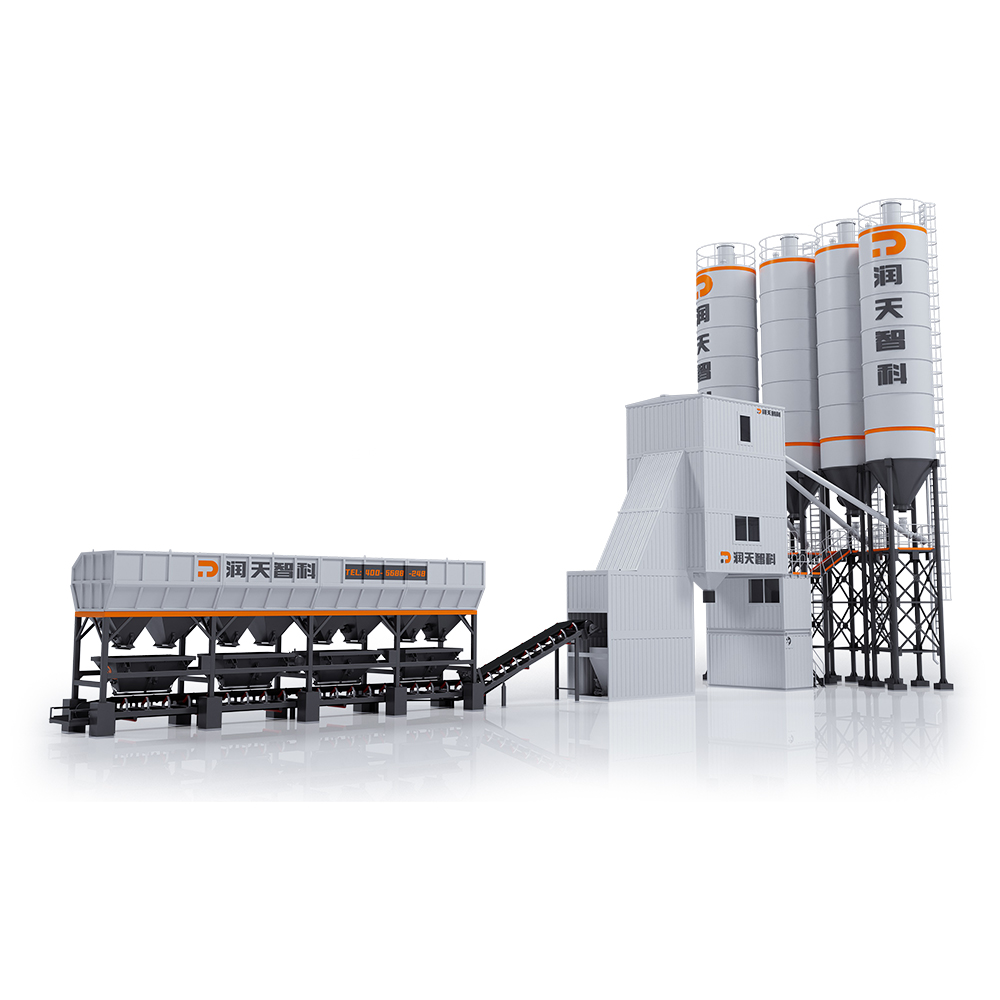 HZS Series Bucket-Lifting Type Container Concrete Mixing Plant
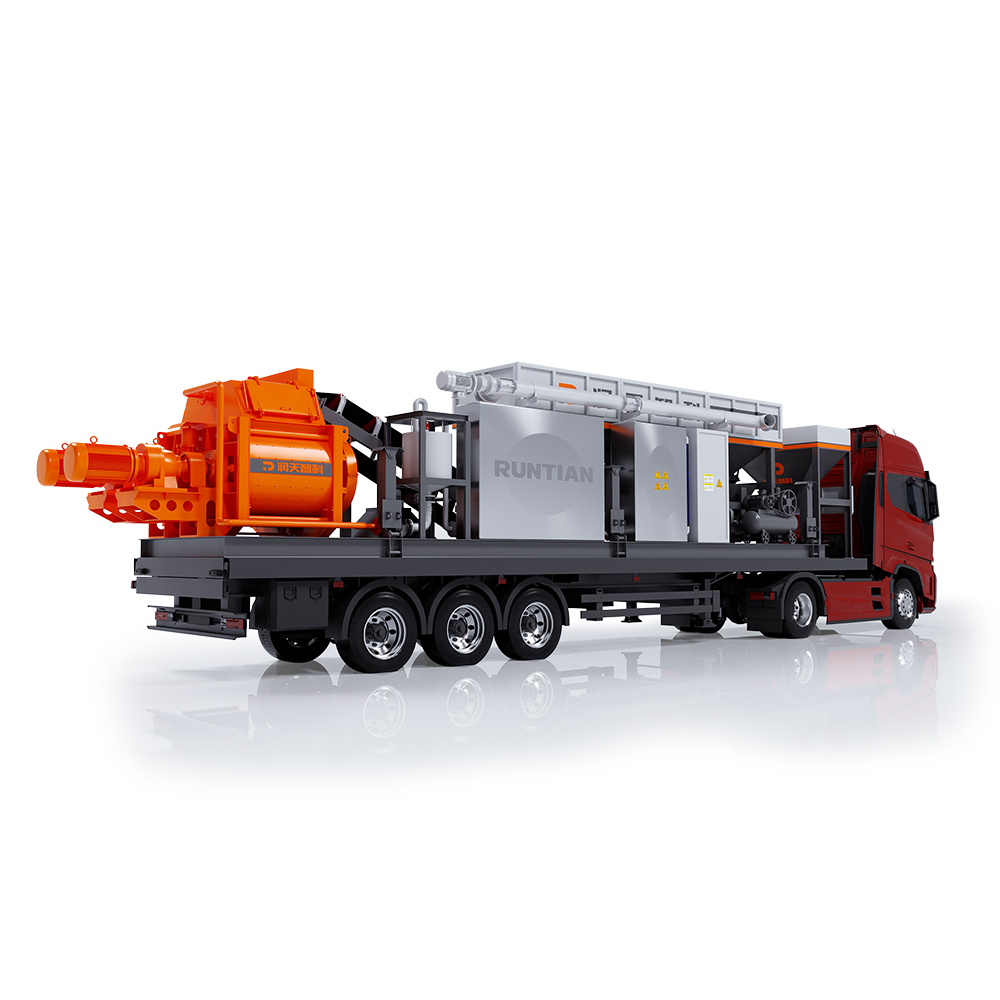 HZS60 Mobile Concrete Mixing Plant
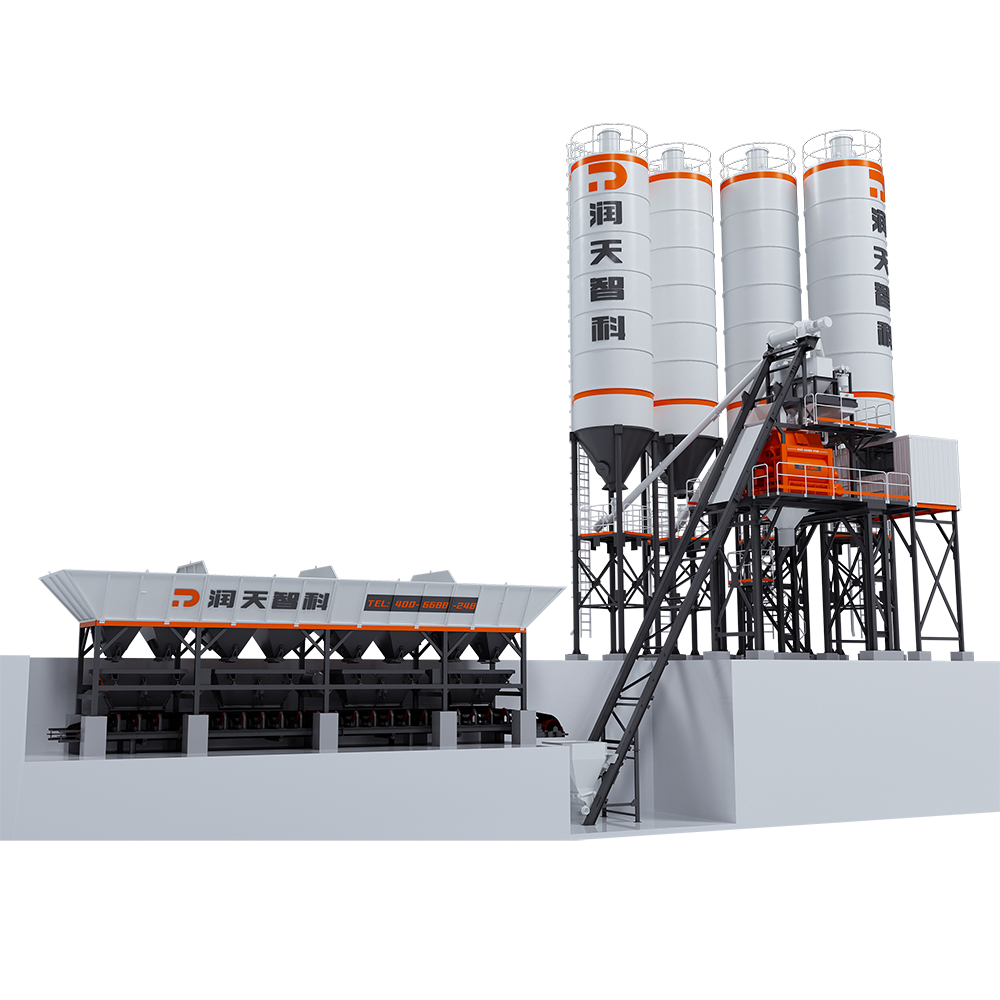 HZS Series Bucket-Lifting Type Concrete Mixing Plant
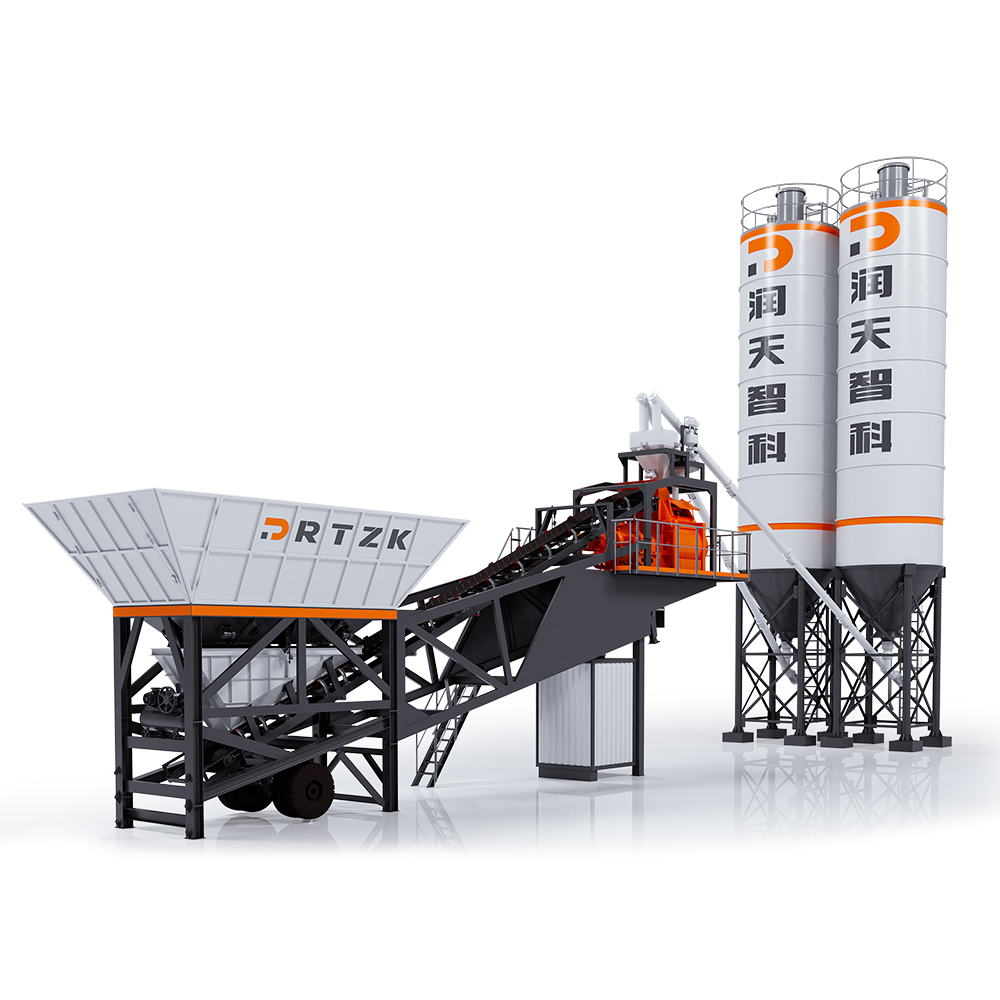 HZS Series Mobile Concrete Mixing Plant
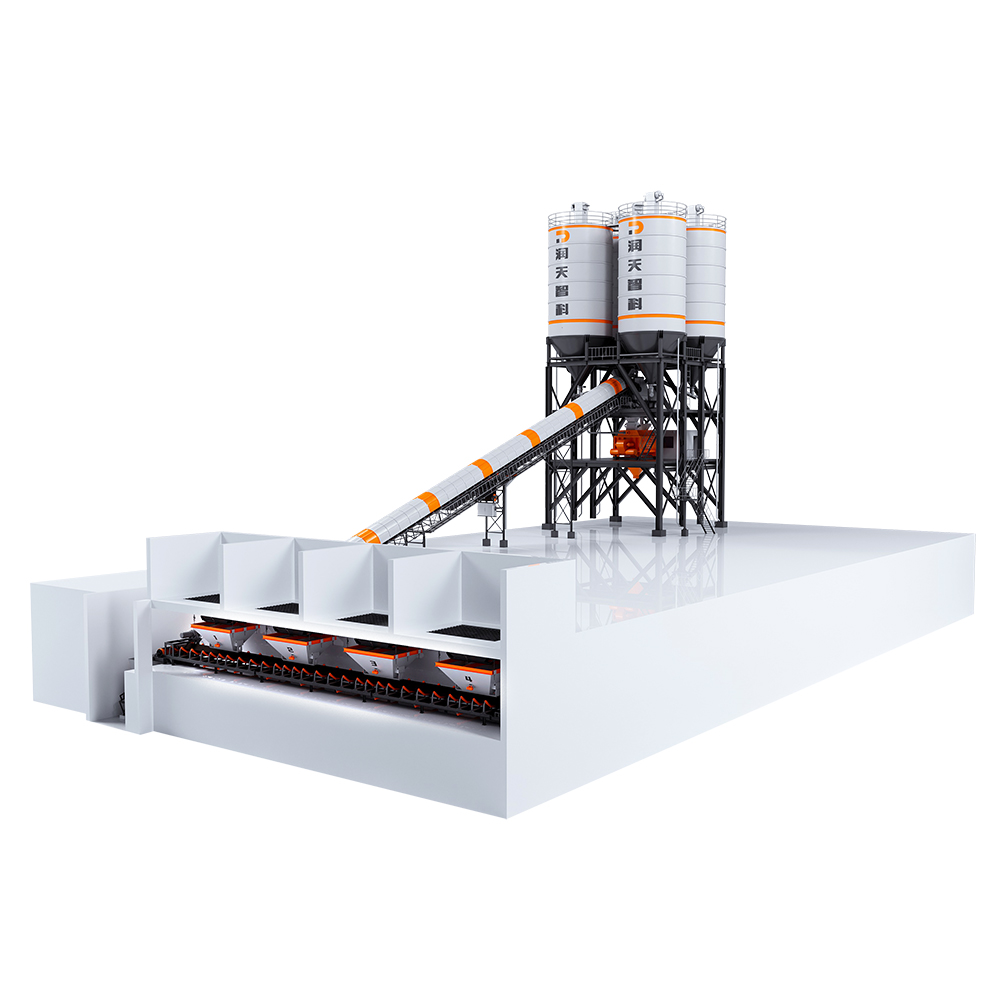 HZS Series Top-Mounted Concrete Mixing plant
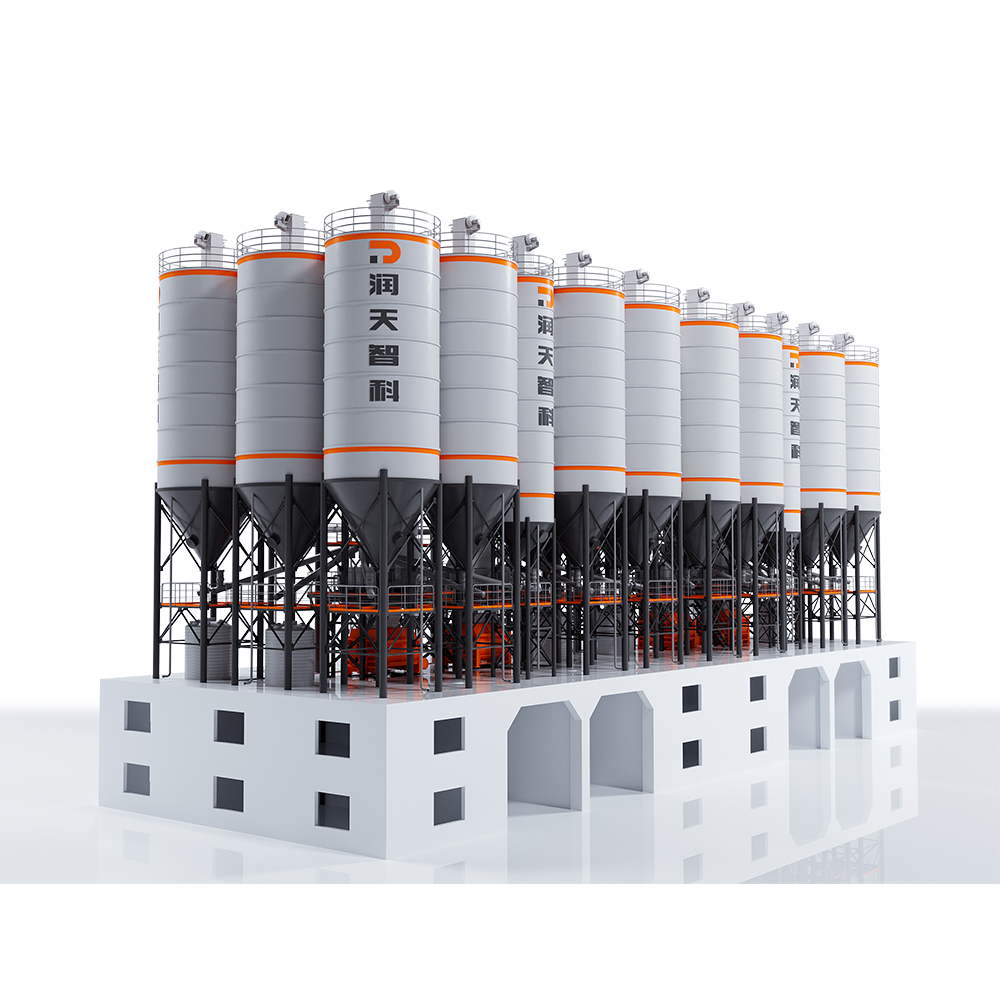 HZS Series Semi-Top Mounted Concrete Mixing Plant
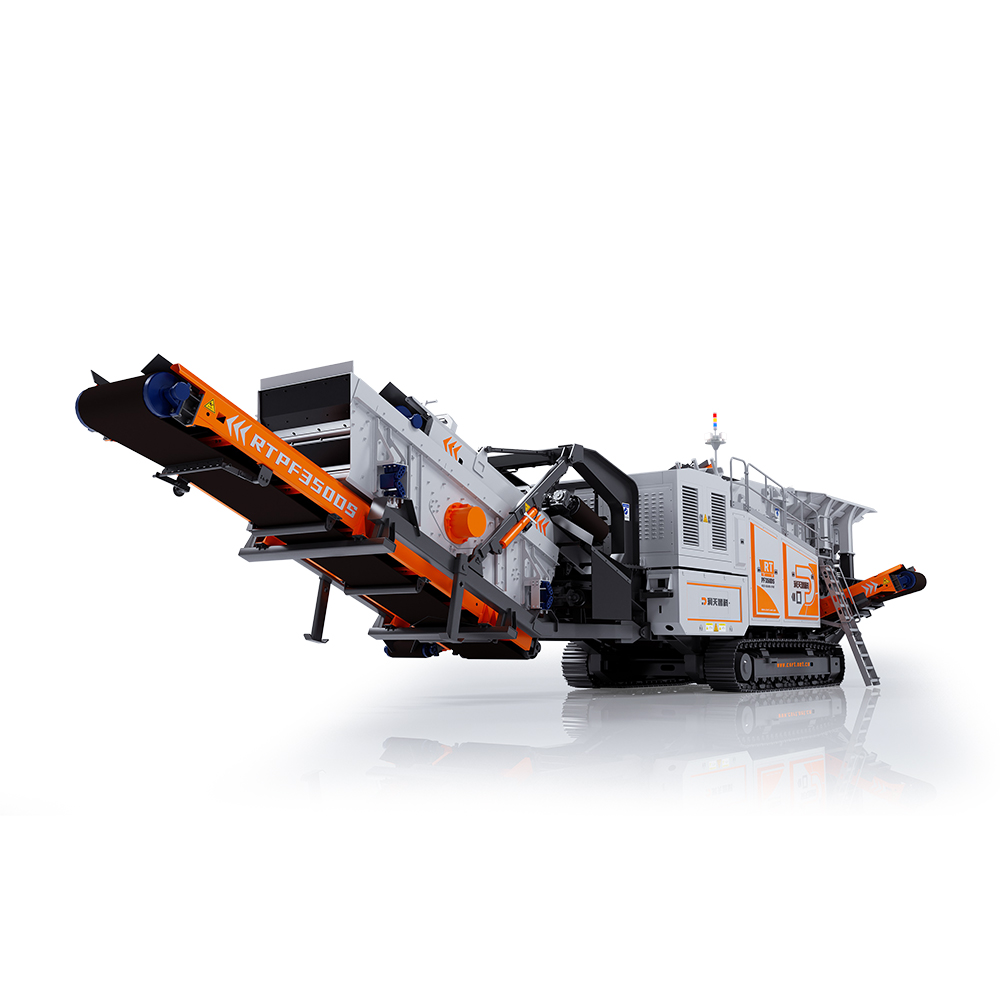 RTPF350DS Crawler Mobile Impact Crushing Plant
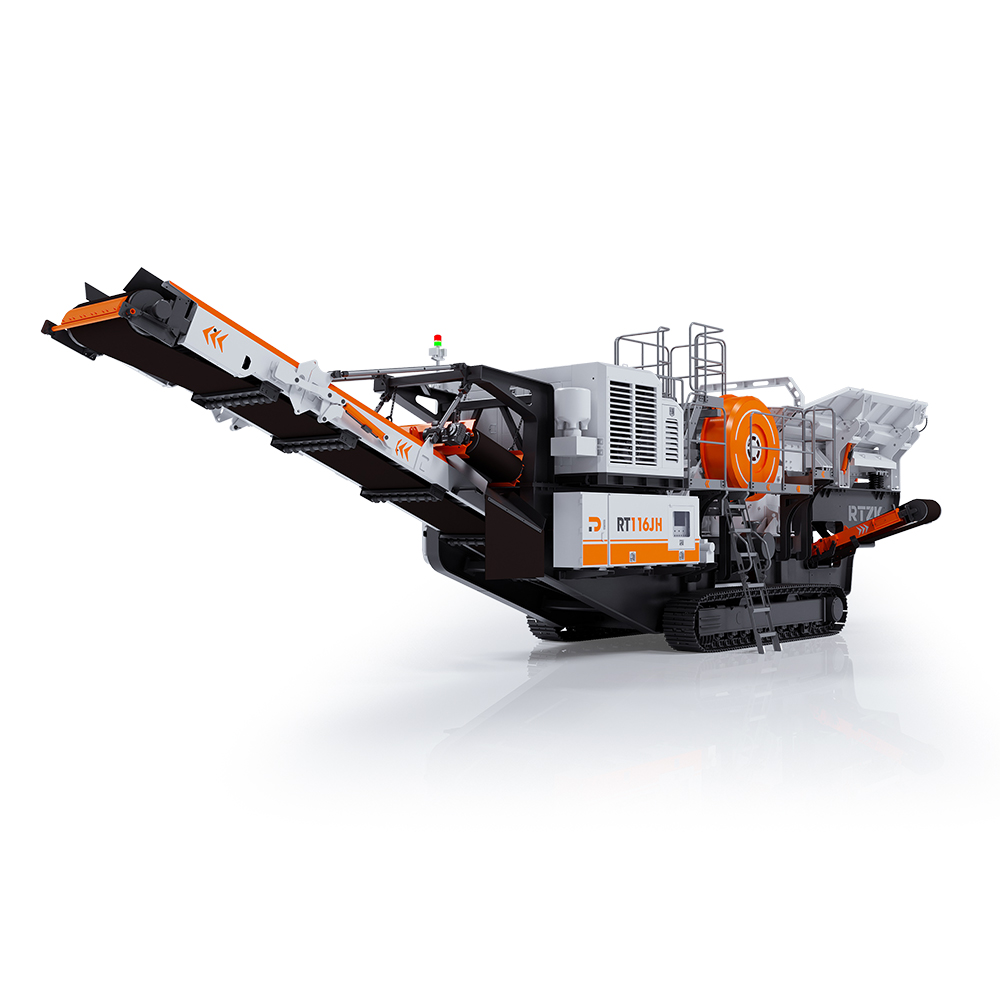 RT116JH Crawler Mobile Jaw Crushing Plant
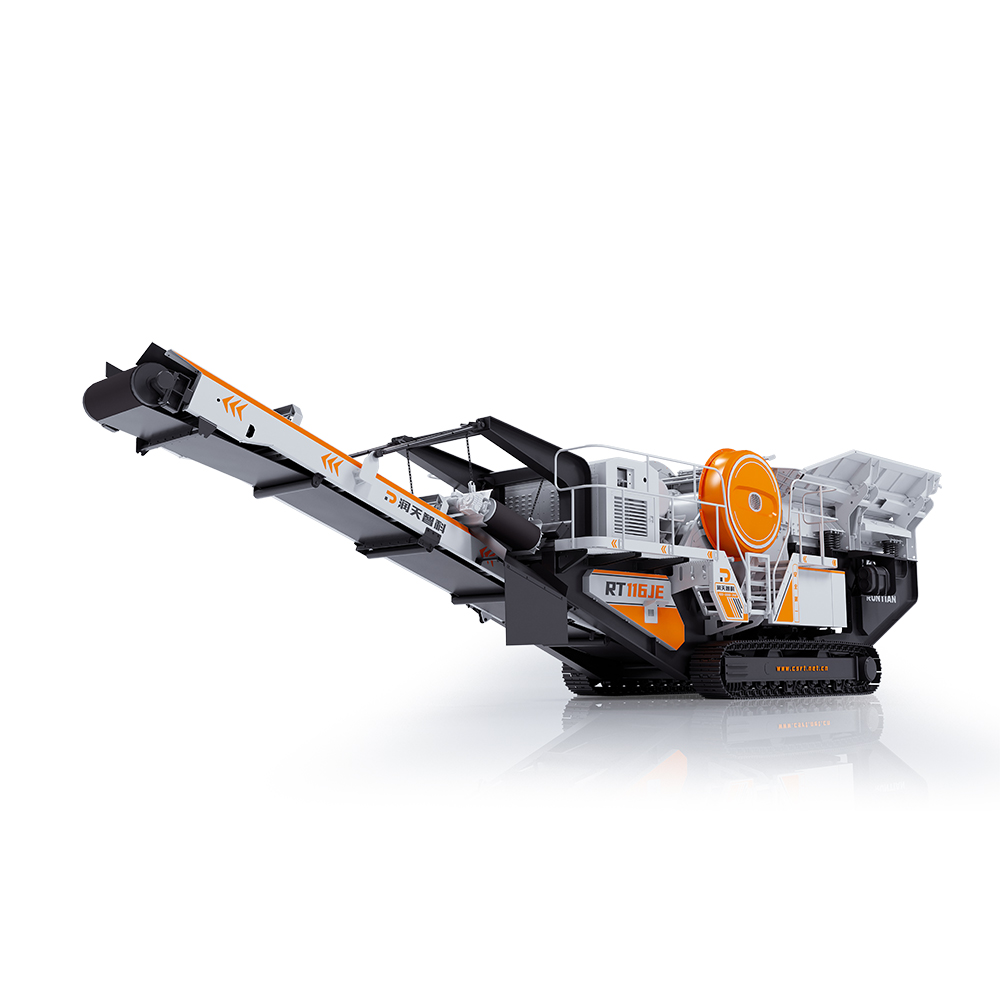 RT116JE Crawler Mobile Jaw Crushing Plant
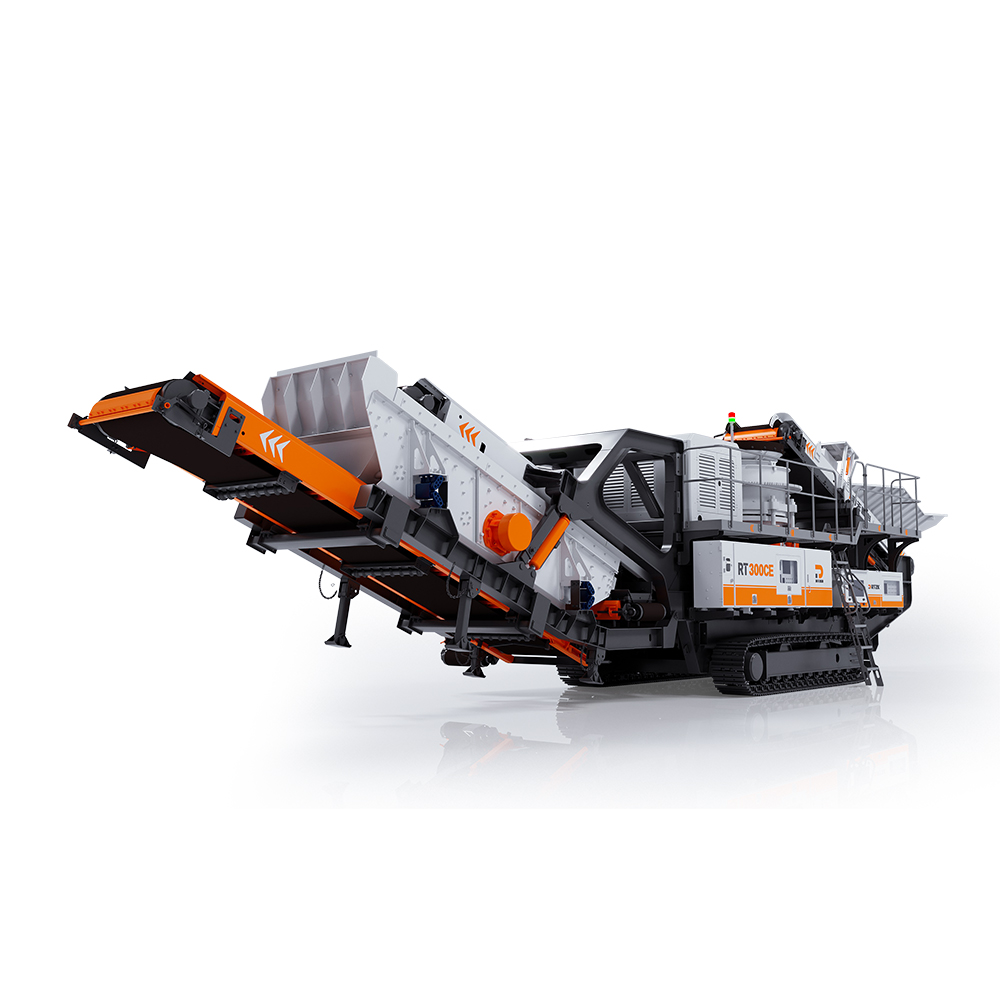 RT300CE Crawler Mobile Cone Crushing Plant
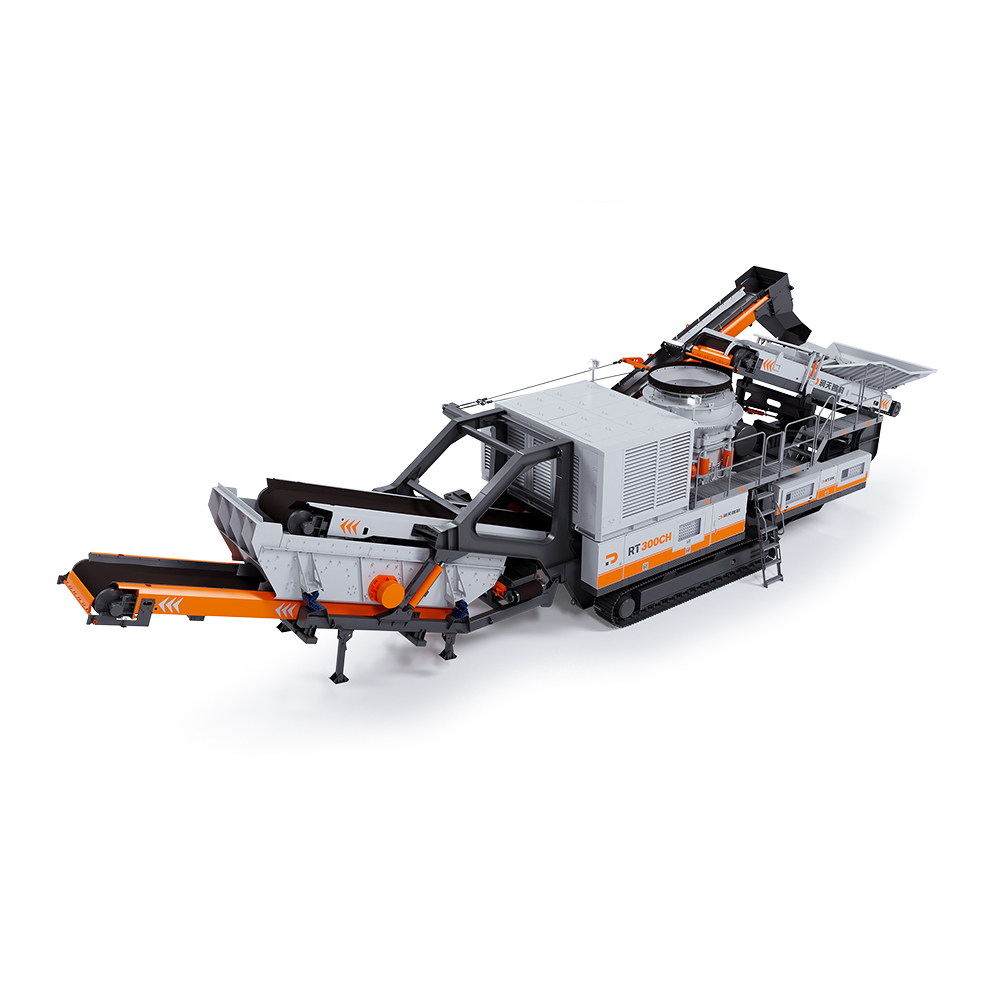 RT300CH Crawler Mobile Cone Crushing Plant
 RT5015H Mobile Scalping Screen
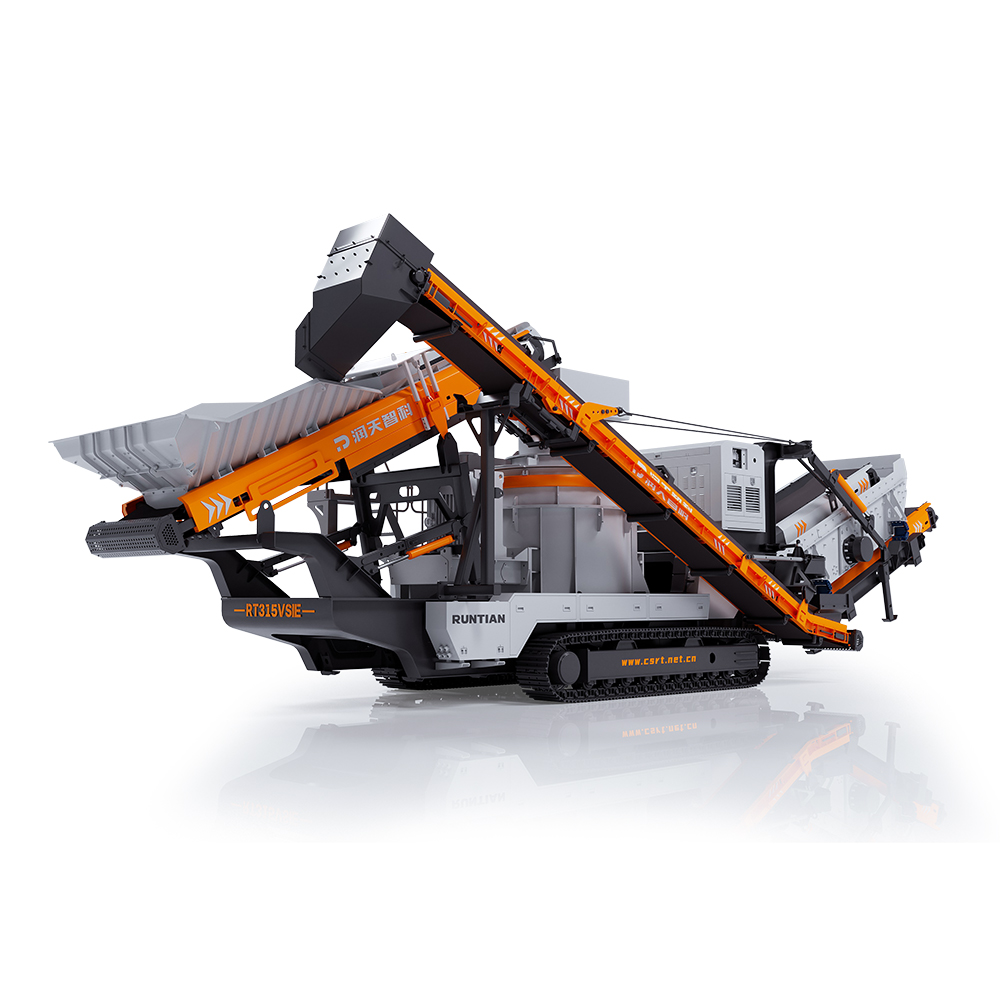 RT315VSIE Crawler Mobile Sand Maker
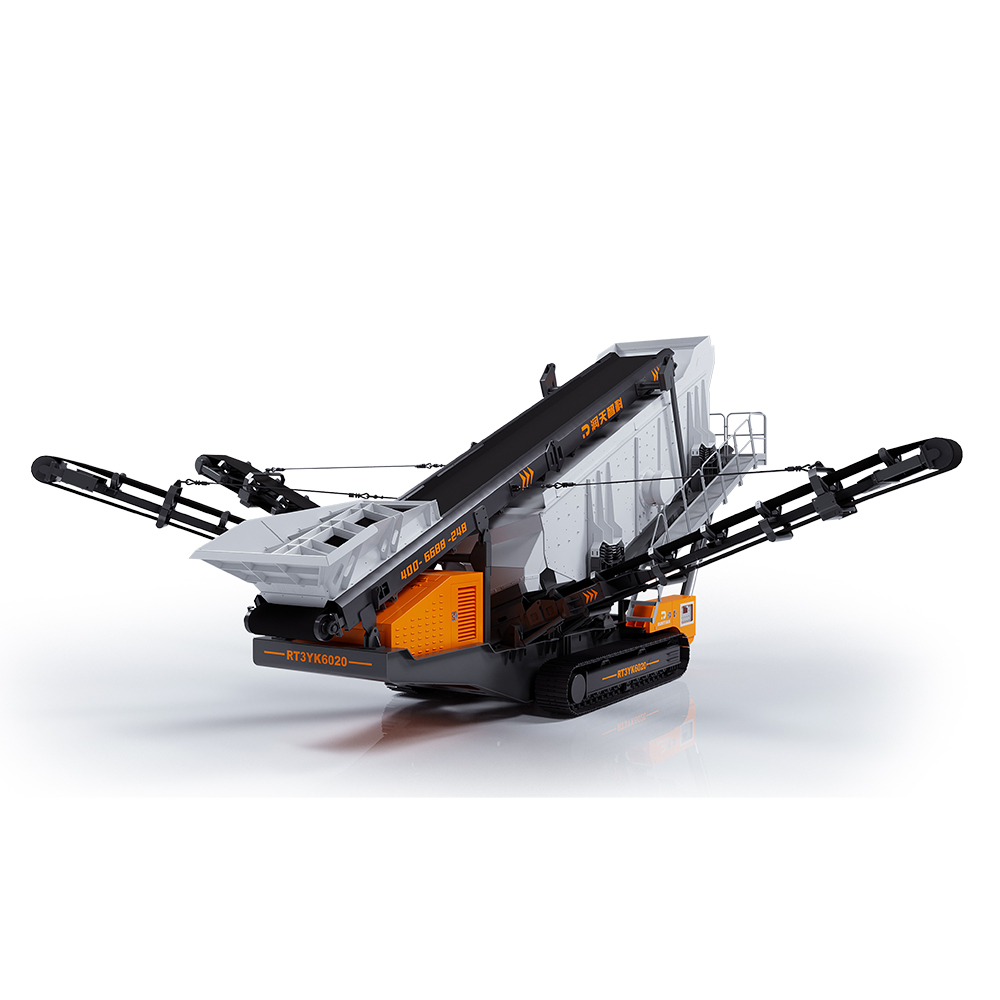 RT3YK6020 Crawler Mobile Screening Plant
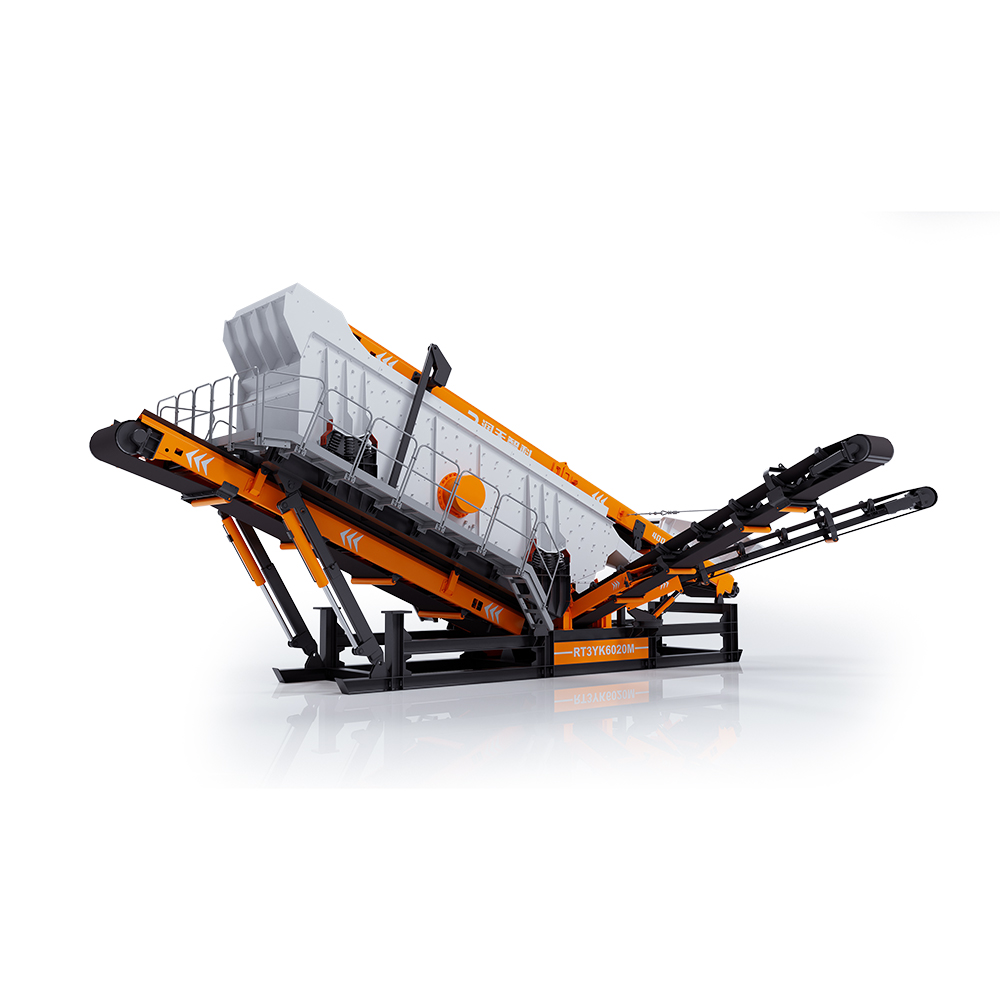 RT3YK6020M Modular Screening Plant
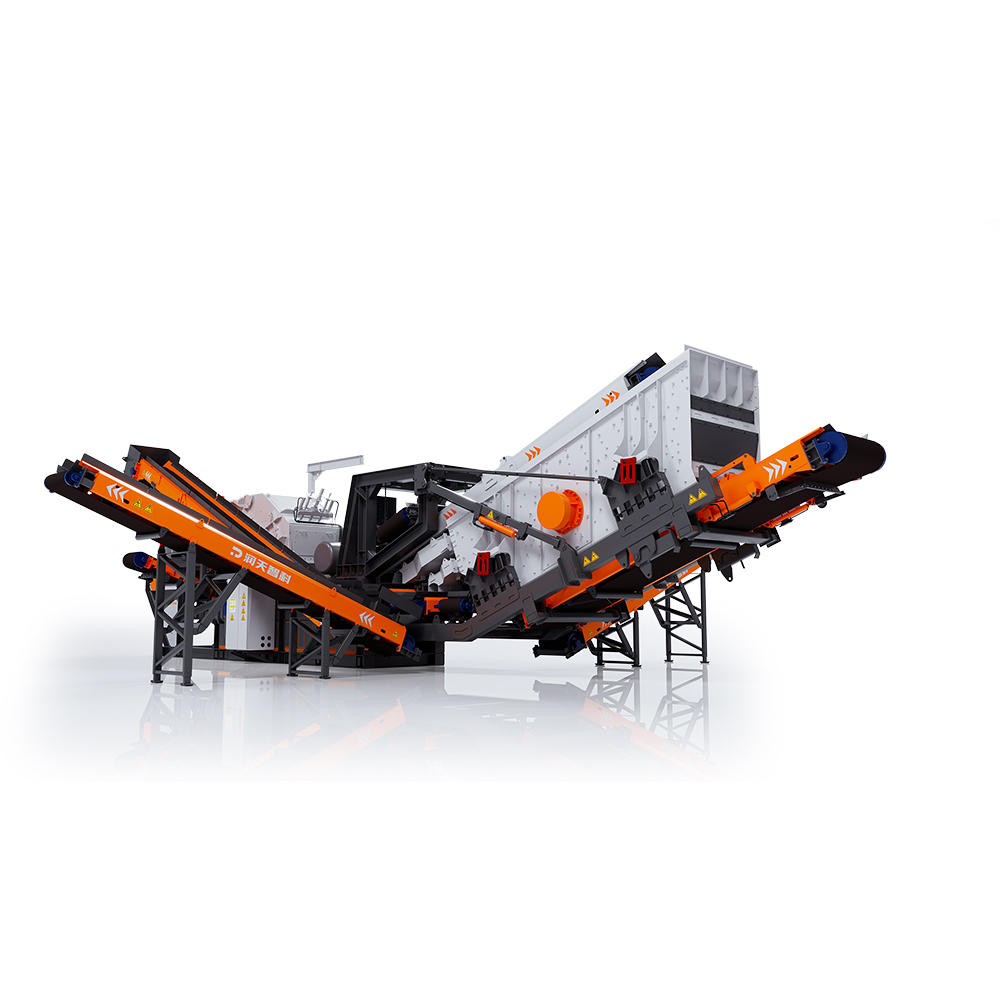 RTF260M Modular Counterattack Crushing and Screening Integrated Machine
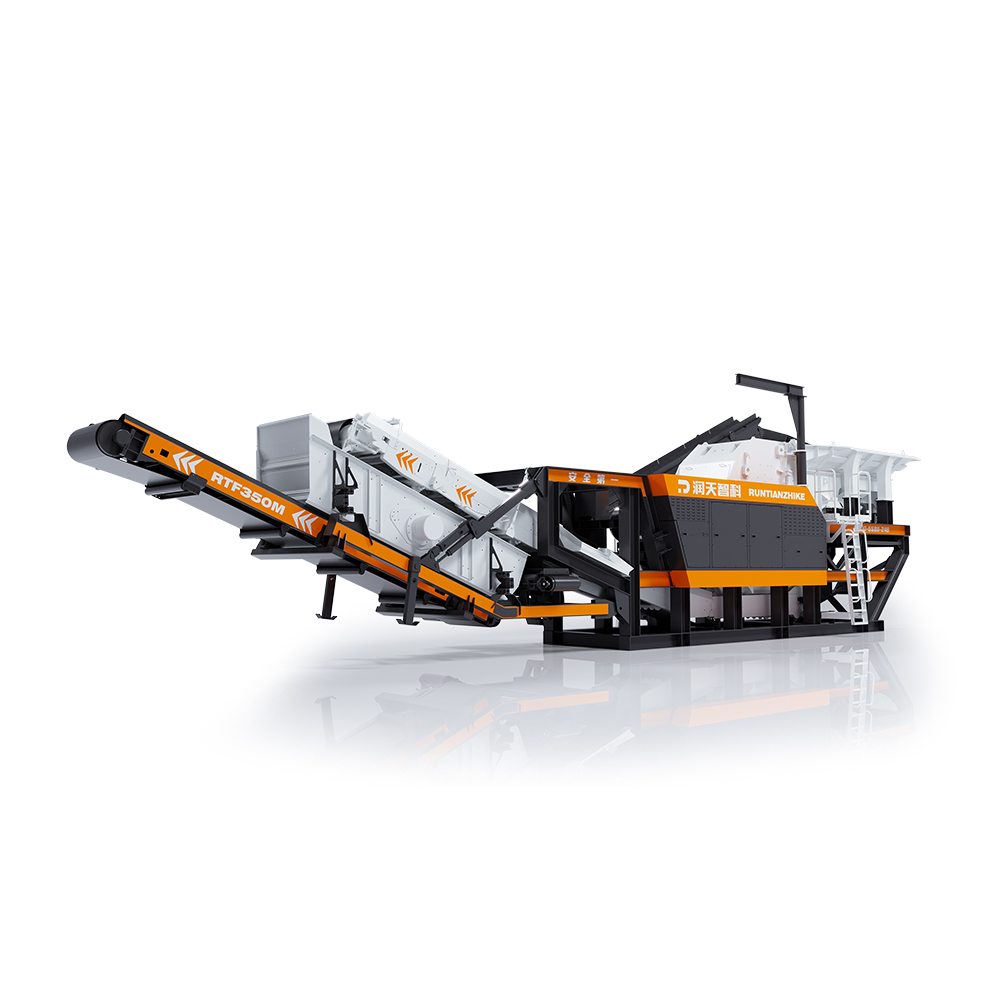 RTF350M Modular Impact Crushing Plant
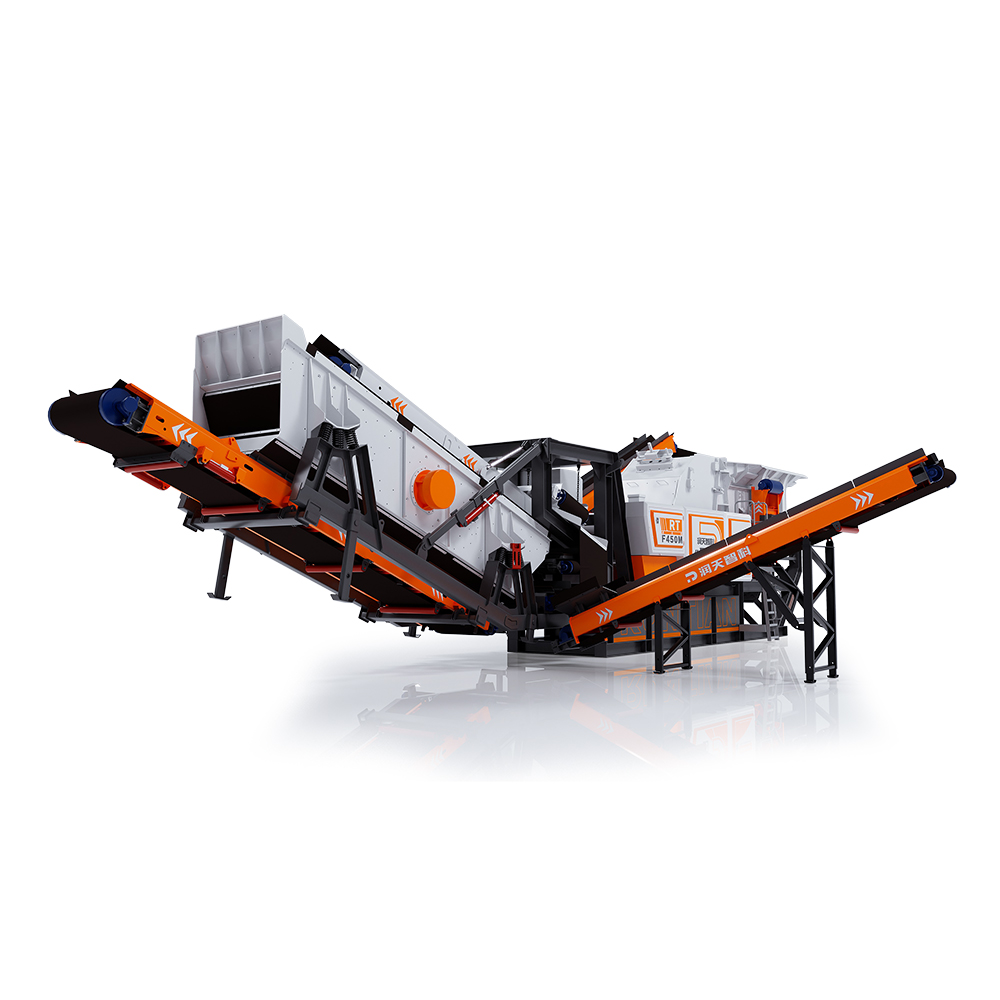 RTF450M Modular Impact Crushing Plant
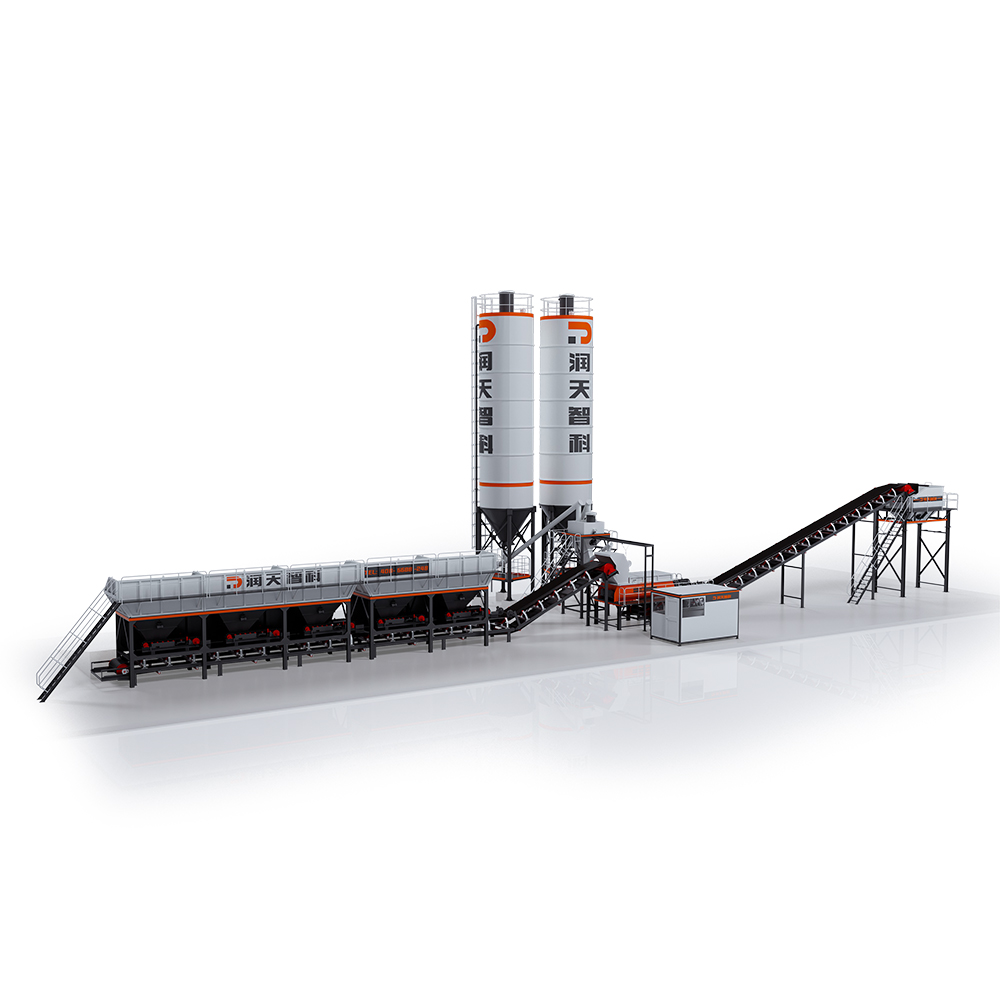 WDB Series Foundation-Free Stability Soil Mixing Plant
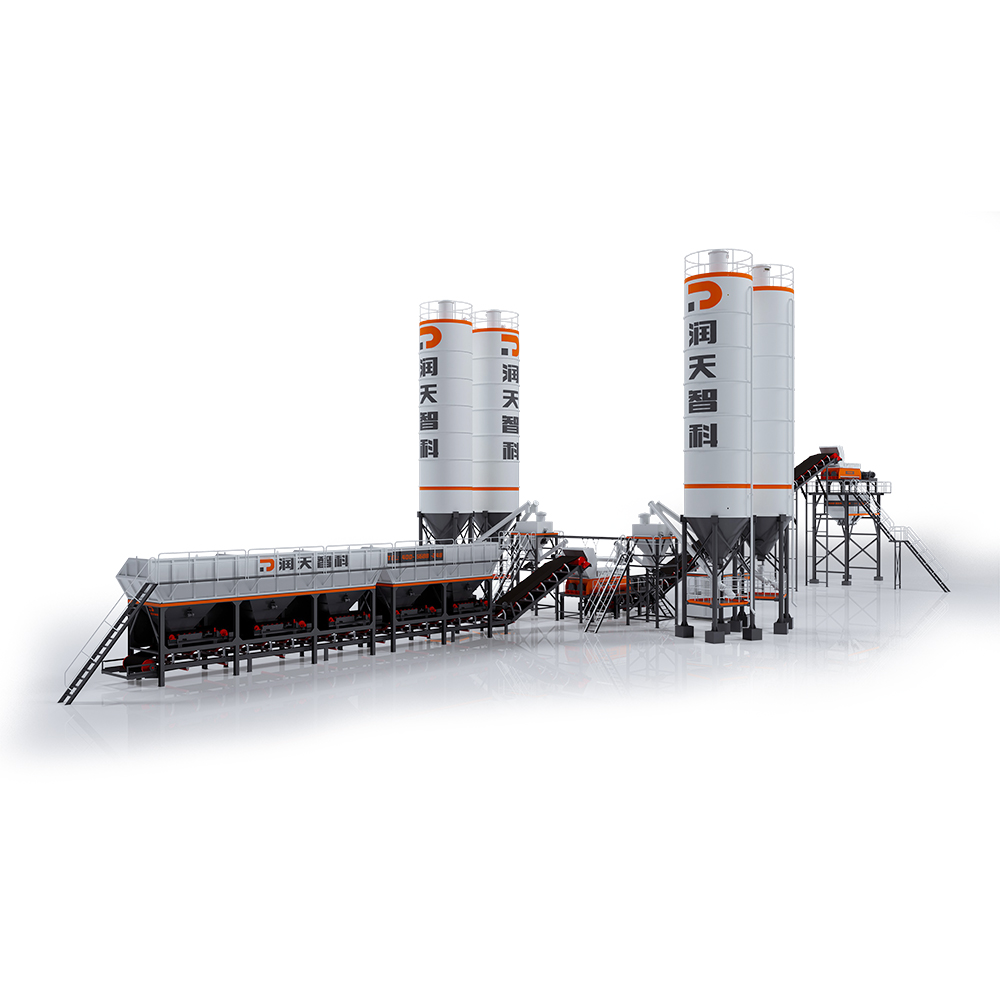 LCB Series Emulsified Asphalt Cold Regeneration Secondary Mixing Plant
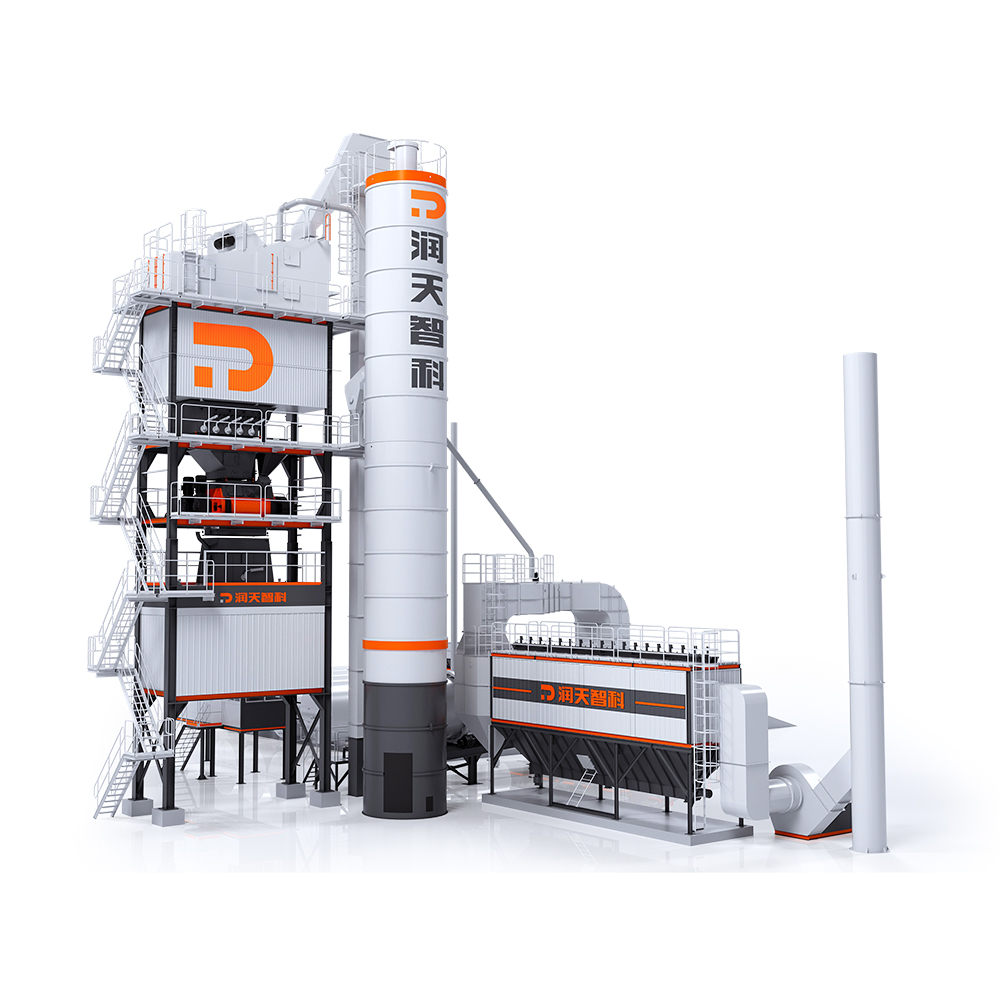 LB Series Asphalt Mixing Plant
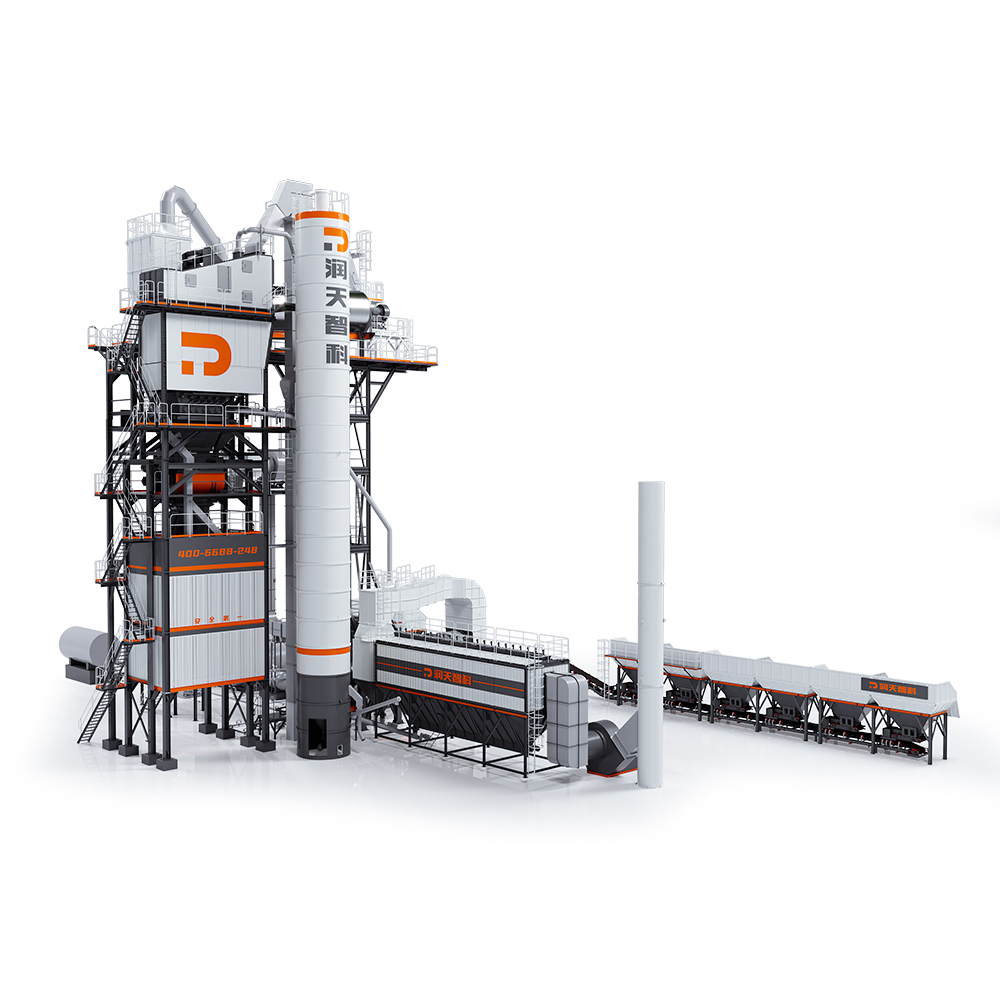 LBR Series Integrated Asphalt Mixing Plant
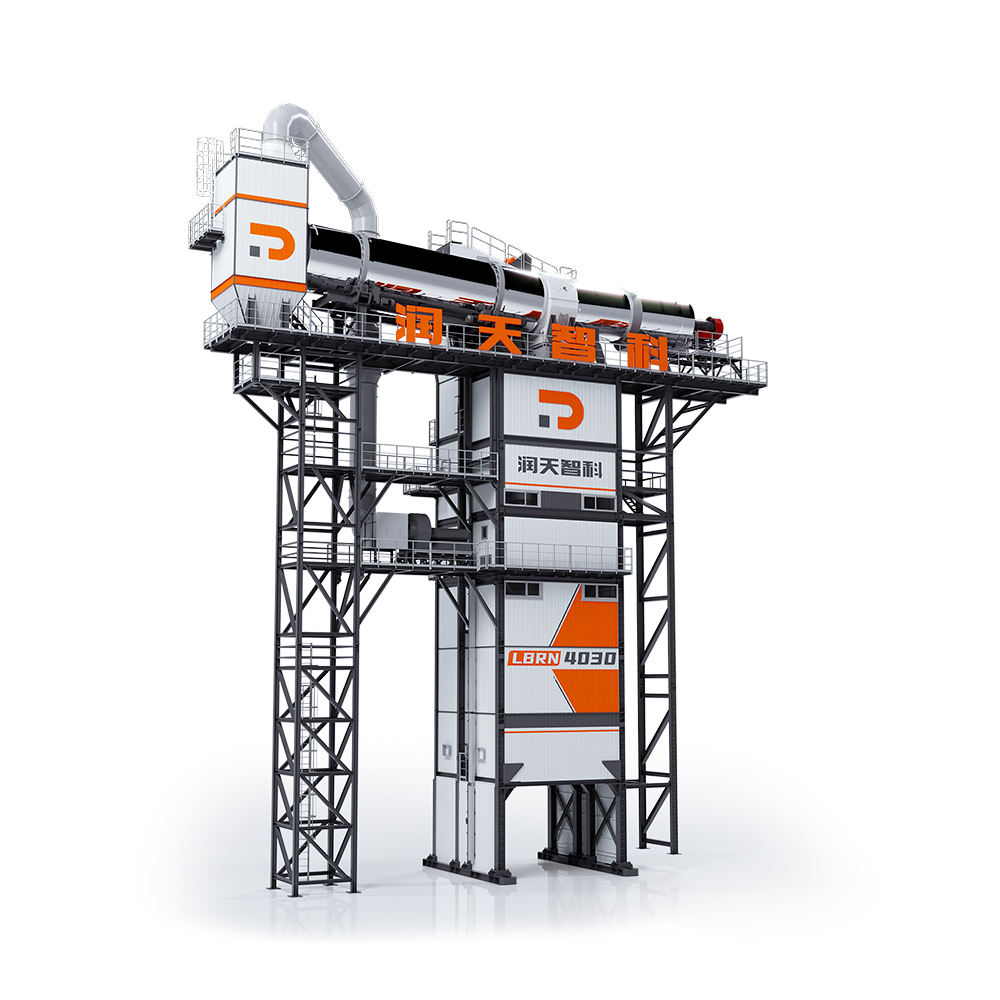 LBRN Series Counterflow Integral Asphalt Mixing Plant
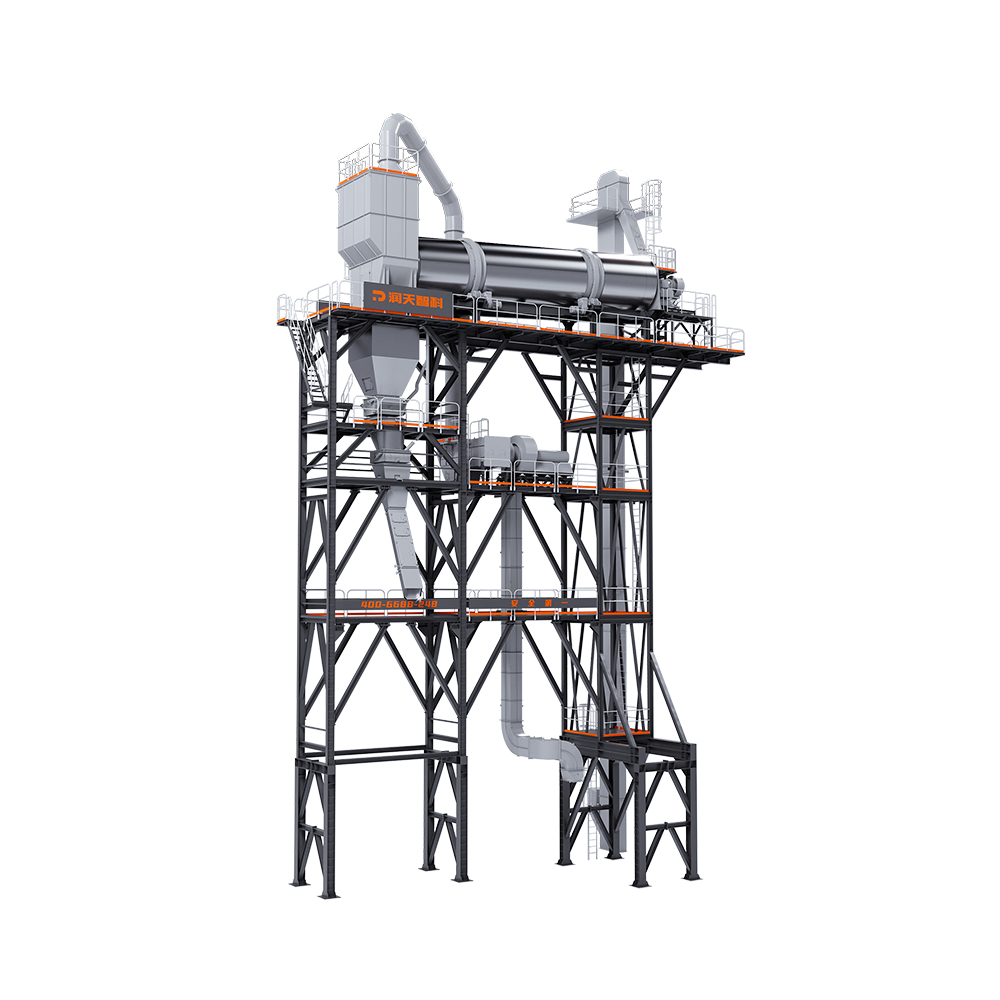 RZS Series Asphalt Mixing Plant
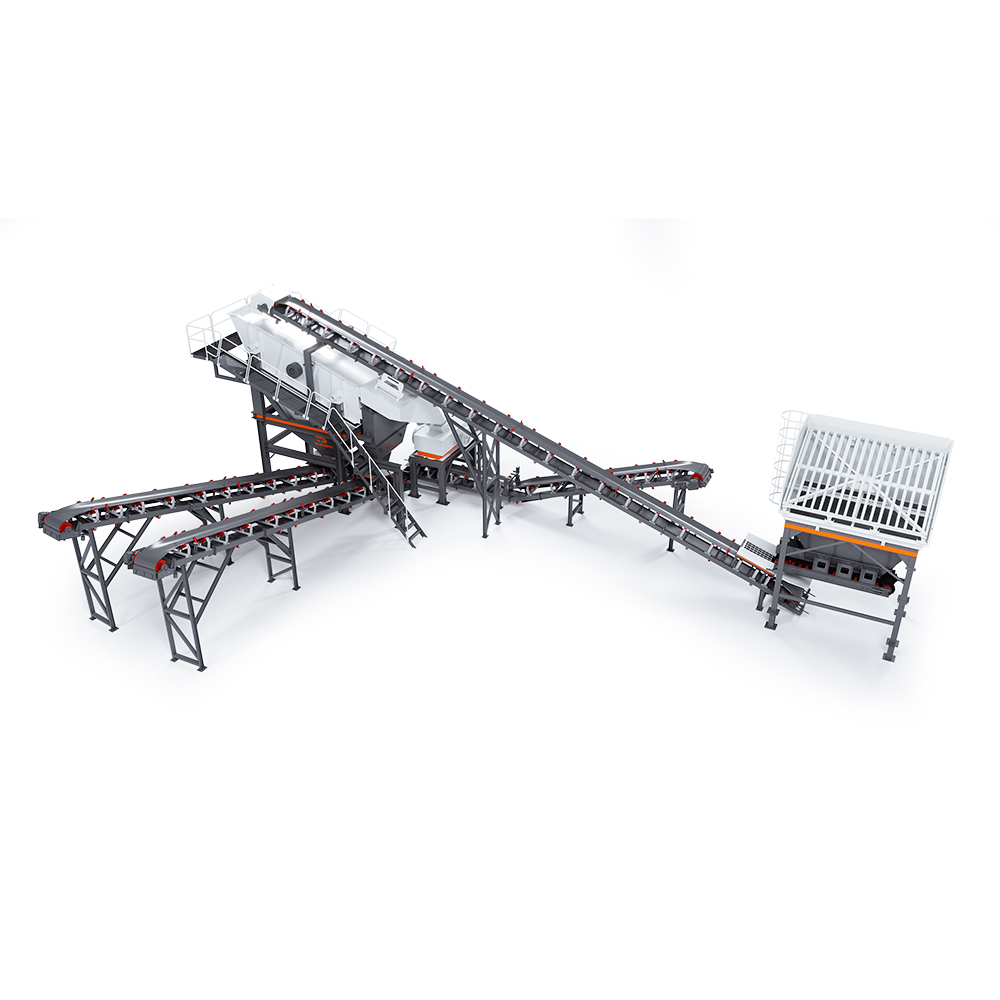 RTZS120 Series RAP Crushing & Screening Plant
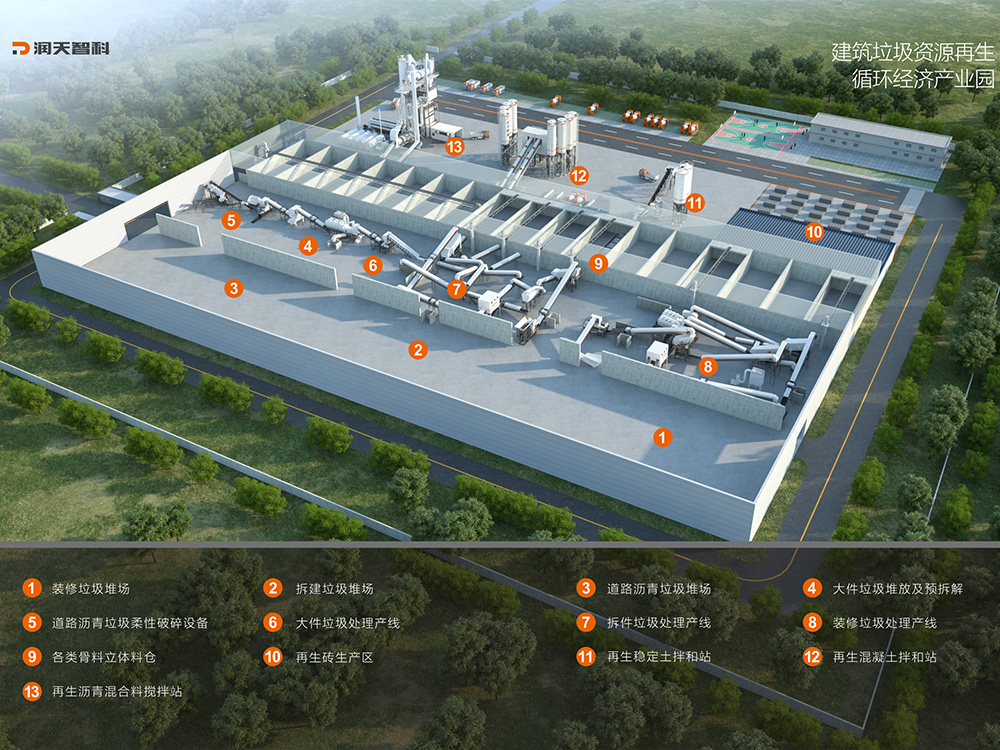 Construction Waste Resourceful Treatment Line