What is the Best Cement Machine for Your Construction Needs?
In the construction industry, choosing the right Cement Machine is crucial for project success. A recent report by the International Cement Review indicates that the global cement machine market is expected to grow by 6% annually over the next five years. This growth underlines the increasing demand for efficient machinery in construction projects.
Industry expert John Spencer, a renowned consultant in cement technology, notes, "Investing in the right Cement Machine can lead to significant cost savings and improved productivity." His insights remind us that selecting the best machine is not merely about capacity but also about aligning with specific project needs.
It's important to reflect on the challenges faced in this selection process. Many contractors overlook crucial aspects such as maintenance and operational efficiency. The consequences can lead to project delays and budget overruns. Balancing costs with quality in the selection of a Cement Machine requires careful consideration and a deeper understanding of how different machines perform in varied conditions.
Understanding the Different Types of Cement Machines Available
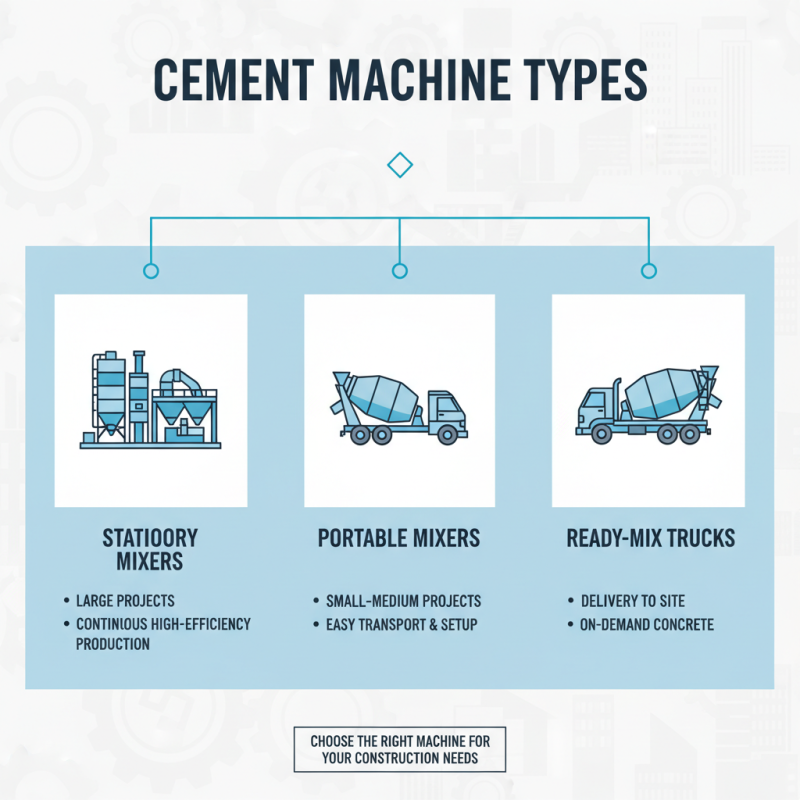
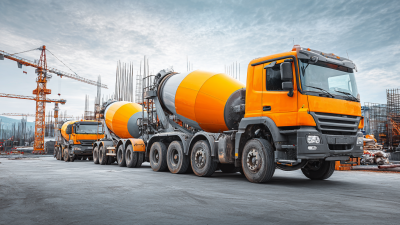
When selecting a cement machine, understanding the available types is crucial. Various models serve different construction needs. The most common types include stationary mixers, portable mixers, and ready-mix trucks. According to industry reports, stationary mixers are ideal for large projects and continuous production. They offer high efficiency and can handle various mix designs.
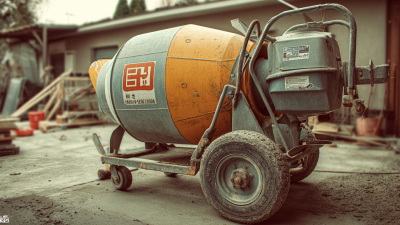
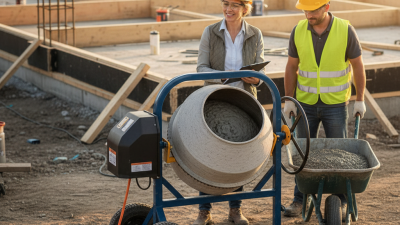
Portable mixers, though smaller, provide flexibility. They are suitable for smaller jobs or remote locations. Many contractors prefer them for their ease of transport. However, they may lack the volume needed for larger operations. A 2021 survey indicated that 45% of contractors choose portable mixers for their adaptability in tight spaces.
**Tips:** When considering a machine, evaluate your project size. Large projects benefit from stationary models. For smaller tasks, portable mixers are a smart choice. Analyze the delivery and mixing efficiency based on your specific requirements. Remember, the wrong choice can impact project timelines.
Mix design is another factor to consider. The machine’s capability to create different concrete mixes is essential. Inspect the power output and mixing capability. A mismatch may lead to underperformance. Always test a machine before committing.
Key Features to Consider When Choosing a Cement Machine
When selecting a cement machine for construction, several key features are essential.
Capacity is crucial. Different projects have varied demands.
Choose a machine that can handle your specific workload without strain. A larger capacity can expedite the mixing process,
but it may also be heavier. Consider portability if your job requires moving to different sites.
Another important feature is ease of use. Some machines come with user-friendly interfaces.
This can make operations smoother, especially for those new to construction.
Check the power source too; electric models are common, but
diesel machines are often more powerful for larger tasks.
Think about maintenance as well. Choose a model that requires minimal upkeep.
Regular maintenance can be time-consuming and costly if the machinery is complicated.
Lastly, durability matters. Look for machines built to withstand harsh conditions.
Steel frames tend to last longer than plastic components. Reflect on your working environment—if it’s rough,
a sturdy machine is essential. Balancing these features can sometimes feel overwhelming.
It’s worth revisiting priorities and understanding that the perfect choice may not exist.
Evaluate what features truly align with your needs.
Evaluating Your Construction Project Requirements
When planning a construction project, understanding your requirements is essential. Different projects demand different machinery. For smaller jobs, a compact cement mixer may suffice. Larger structures often require heavy-duty mixers capable of handling sizable loads efficiently.
Consider the type of cement you will use. Certain machines work better with specific mixtures. For instance, a machine designed for high-strength concrete may not perform well with lightweight options. Evaluate the desired consistency and drying time as well. These factors influence efficiency on the job site.
Reflect on your project's timeline. A machine that saves time can significantly affect your overall schedule. However, cost considerations often come into play as well. Investing in a high-quality cement machine may lead to savings in labor and time. Conversely, opting for a budget model might invite delays and require repairs, which calls for careful evaluation of your choices.
What is the Best Cement Machine for Your Construction Needs?
| Cement Machine Type |
Power Source |
Output Capacity (m³/h) |
Weight (kg) |
Ideal Use Case |
| Concrete Mixer |
Electric |
3 |
150 |
Residential Projects |
| Cement Sprayer |
Gasoline |
5 |
85 |
Indoor Finishing |
| Batch Plant |
Electric |
25 |
5000 |
Large Scale Construction |
| Concrete Pump |
Diesel |
20 |
1200 |
High-Rise Buildings |
| Mini Mixer |
Electric |
2 |
100 |
DIY and Small Jobs |
Comparing Performance and Efficiency of Cement Machines
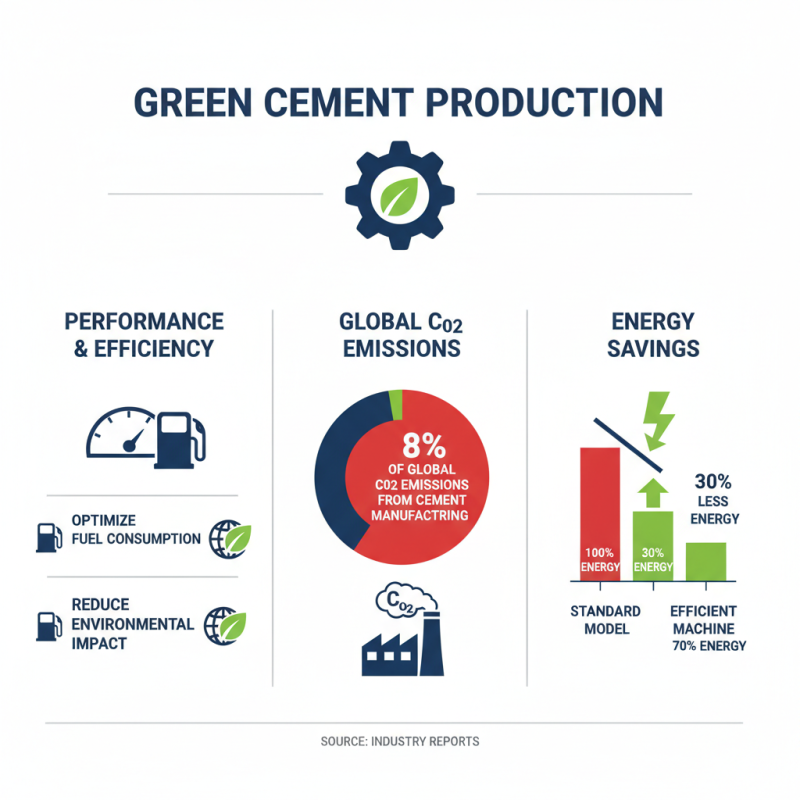
When choosing a cement machine, performance and efficiency are crucial. The cement production process is energy-intensive. Reports indicate that cement manufacturing accounts for approximately 8% of global CO2 emissions. Machines that can optimize fuel consumption are vital for reducing this environmental impact. The energy consumption of cement machines can vary dramatically. More efficient machines might use 30% less energy compared to the standard models.
Consider the mixing capabilities of a cement machine. A machine that ensures uniform mixing will yield better quality cement. Research suggests that properly mixed cement improves strength by up to 15%. However, some machines may struggle to achieve this consistency. Such flaws could lead to wastage and increased costs on site. Additionally, operators must monitor machine performance regularly. Studies show that improper maintenance can reduce efficiency by 20% or more.
Assessing production speed is another key factor. High-performance machines might produce 200 tons of cement per hour. In contrast, older models may only manage 80 tons. This discrepancy can affect project timelines significantly. Moreover, labor efficiency plays a role. Machines that require less manual intervention can improve overall productivity, but they also require skilled operators. Balancing these factors remains a challenge in the construction industry.
Maintenance Tips for Prolonging the Life of Your Cement Machine
Maintaining your cement machine is essential for longevity and performance.
Regular maintenance can increase its lifespan by up to 30%, according to industry surveys.
Firstly, keeping the machine clean is crucial. Dust and debris can accumulate in critical areas and hinder operation.
Ensure you remove any buildup after each use.
Check the components regularly. Worn-out parts can lead to breakdowns or inefficiencies.
Pay attention to bearings, belts, and hoses, as they are common failure points.
Replace them when they show signs of wear.
A report from construction equipment studies shows that timely replacement can cut repair costs by 20%.
Lubrication is another key factor. Proper lubrication ensures smooth operation and reduces friction.
In addition, it can help prevent overheating, especially in high-use situations.
Inspect lubrication levels frequently. Many operators underestimate this step,
leading to unnecessary wear and tear.
Simple checks can save significant time and expense in the long run.

 Concrete Mixing Plant
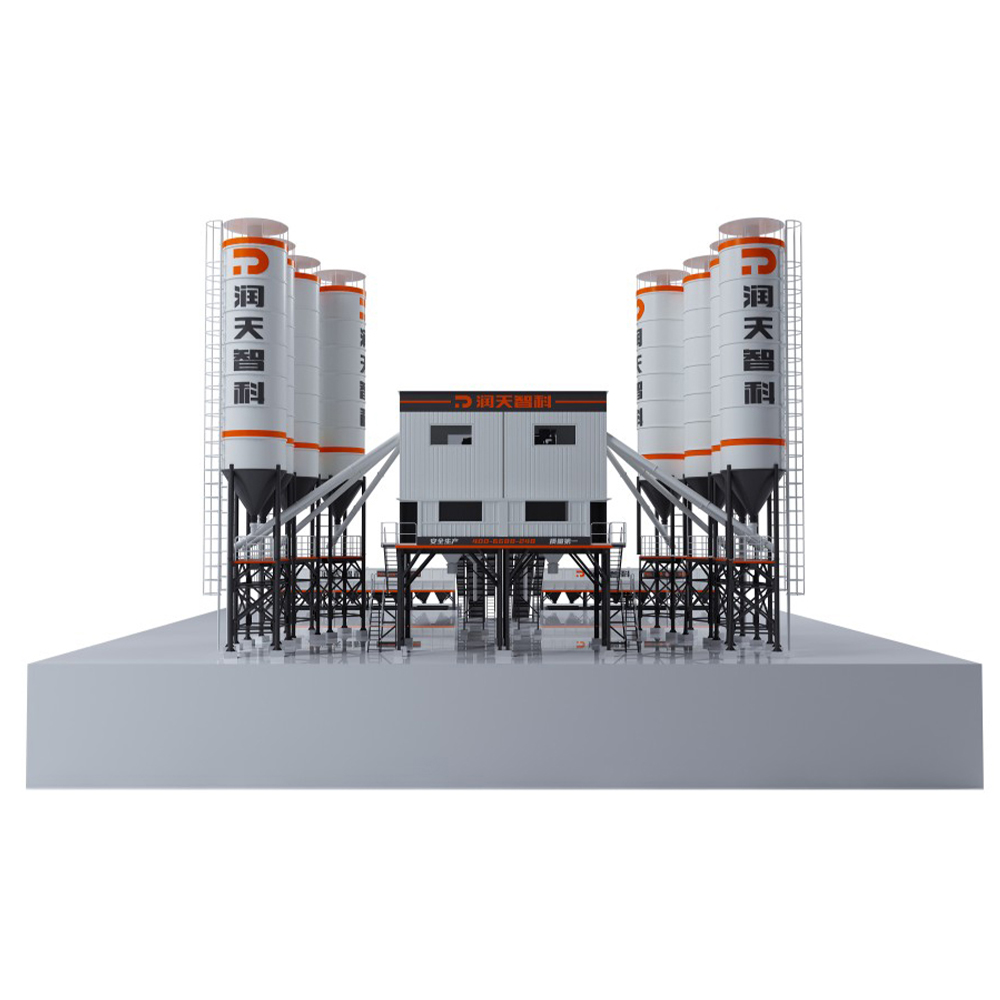 HZS Series Belt Concrete Mixing Plant
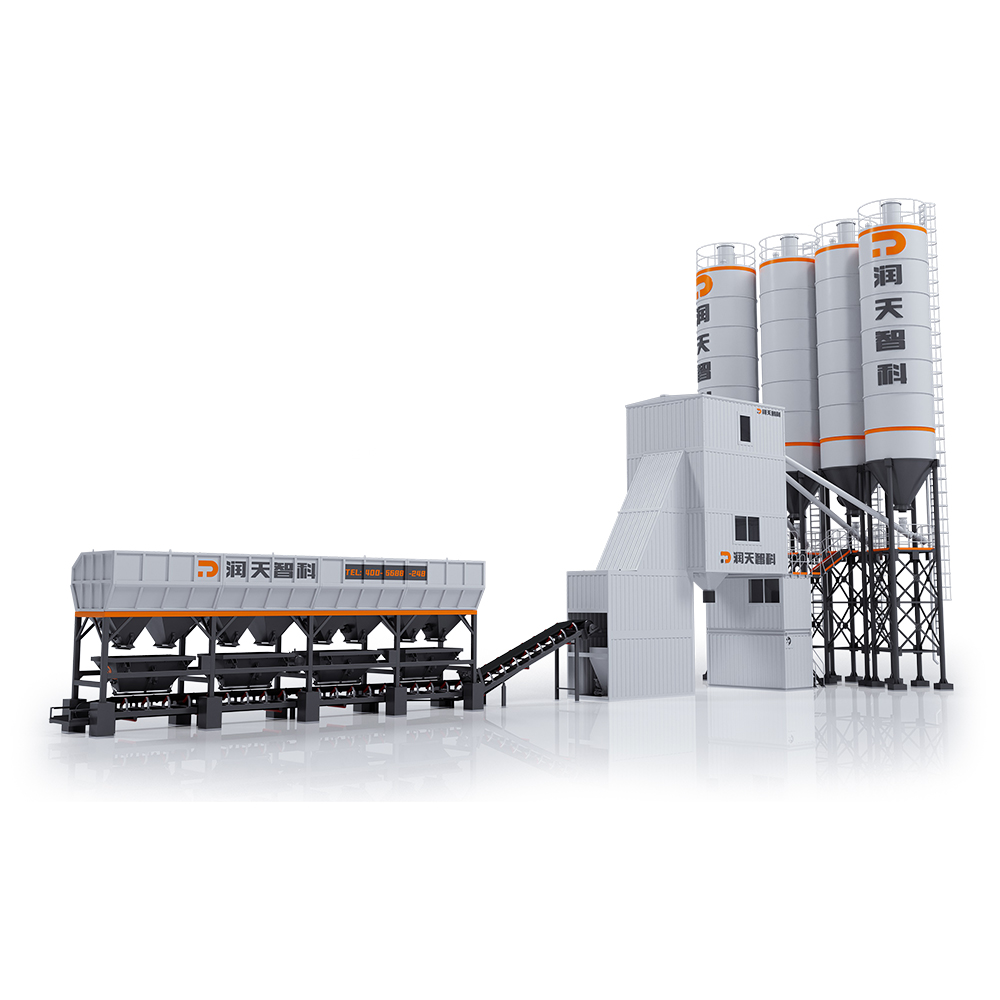 HZS Series Bucket-Lifting Type Container Concrete Mixing Plant
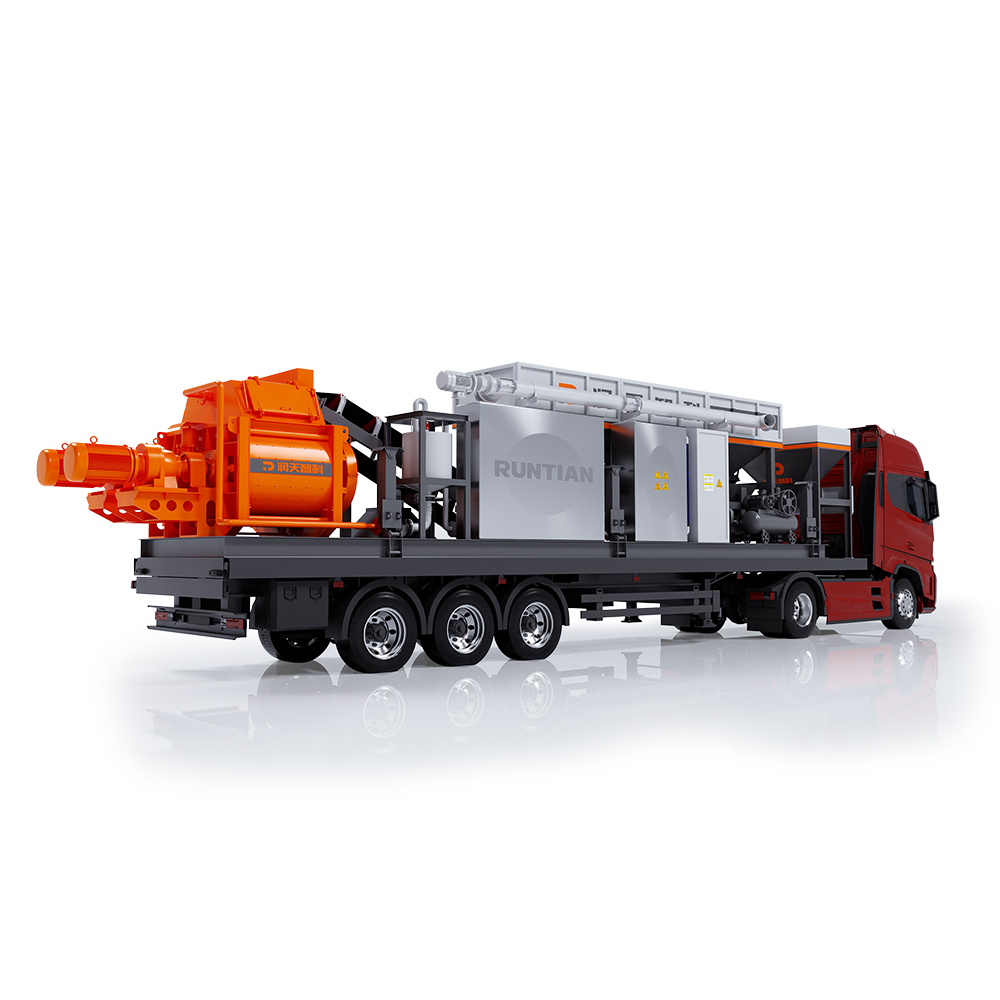 HZS60 Mobile Concrete Mixing Plant
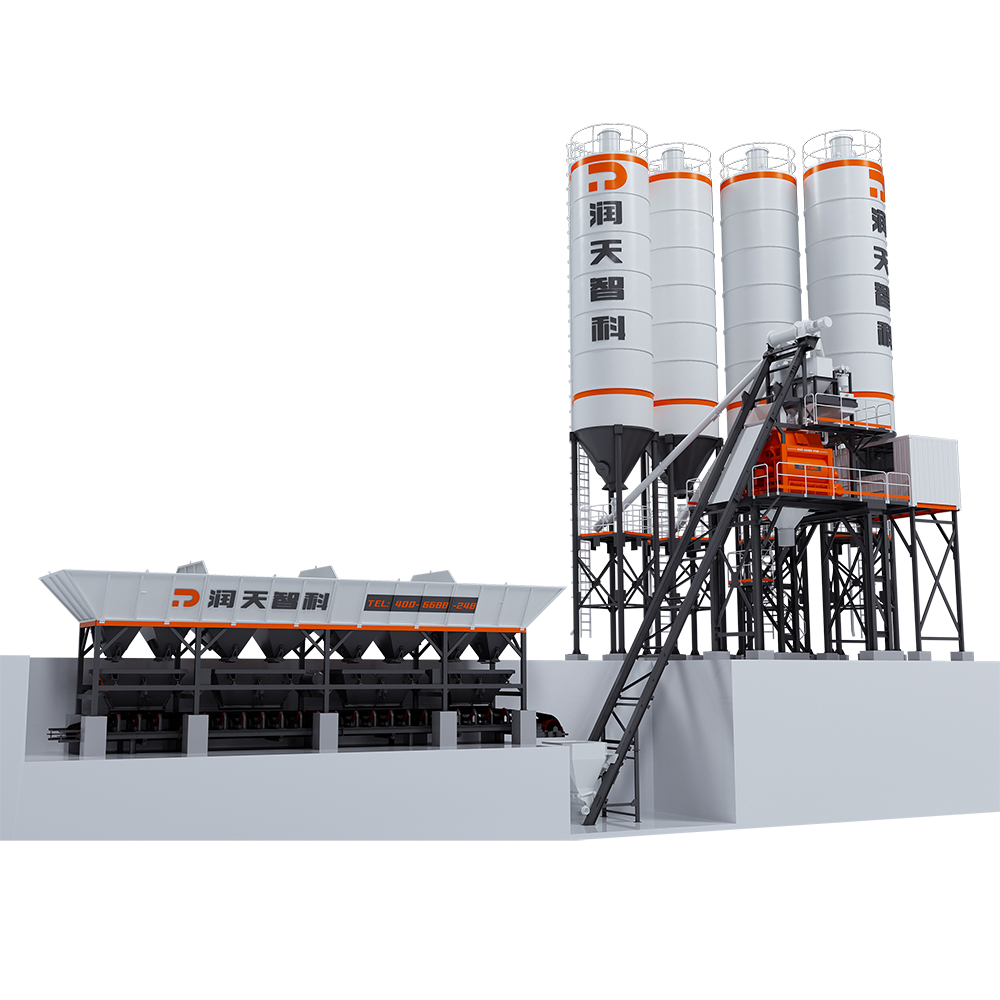 HZS Series Bucket-Lifting Type Concrete Mixing Plant
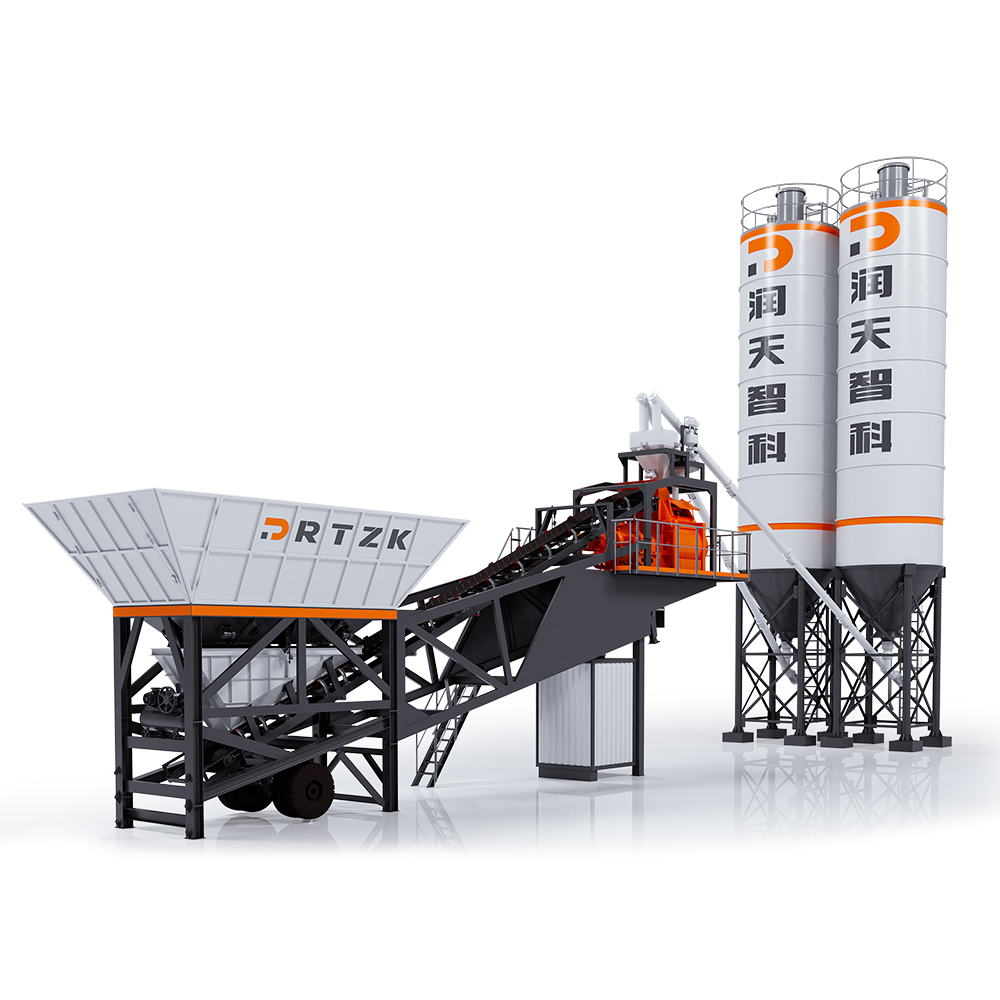 HZS Series Mobile Concrete Mixing Plant
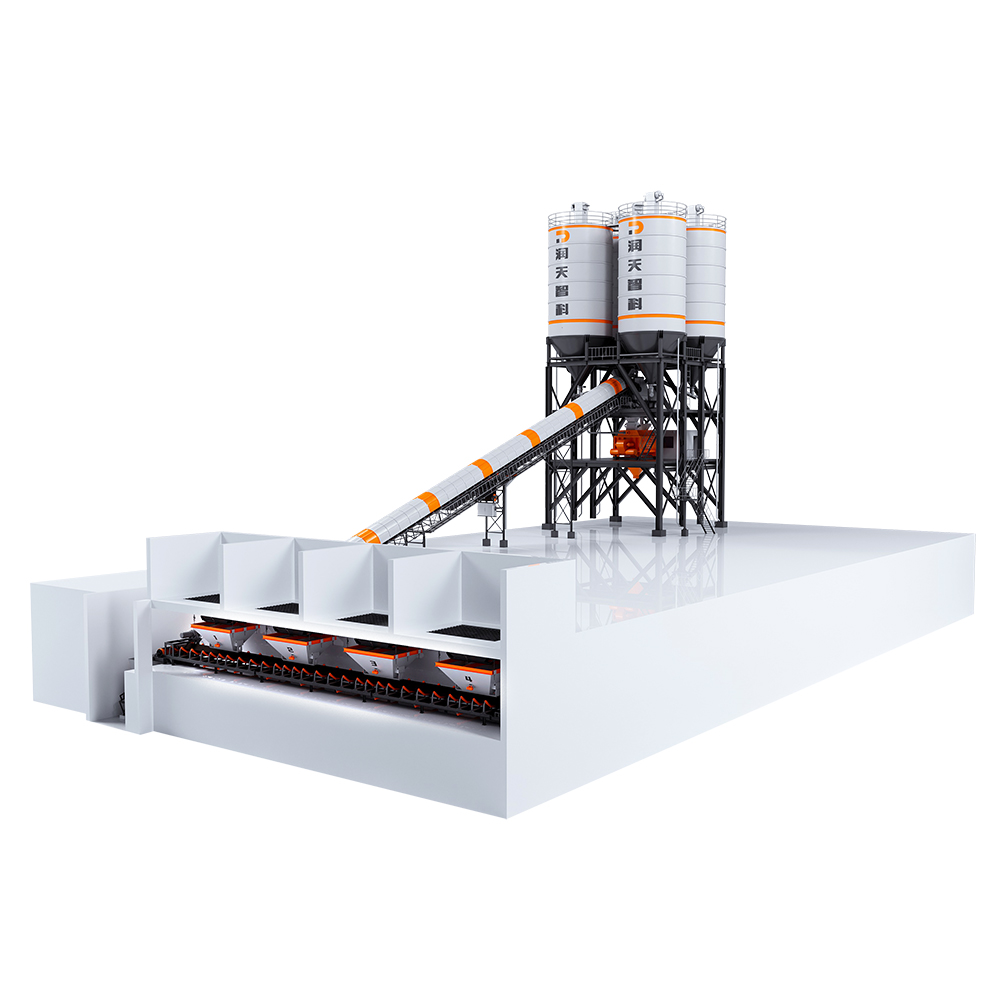 HZS Series Top-Mounted Concrete Mixing plant
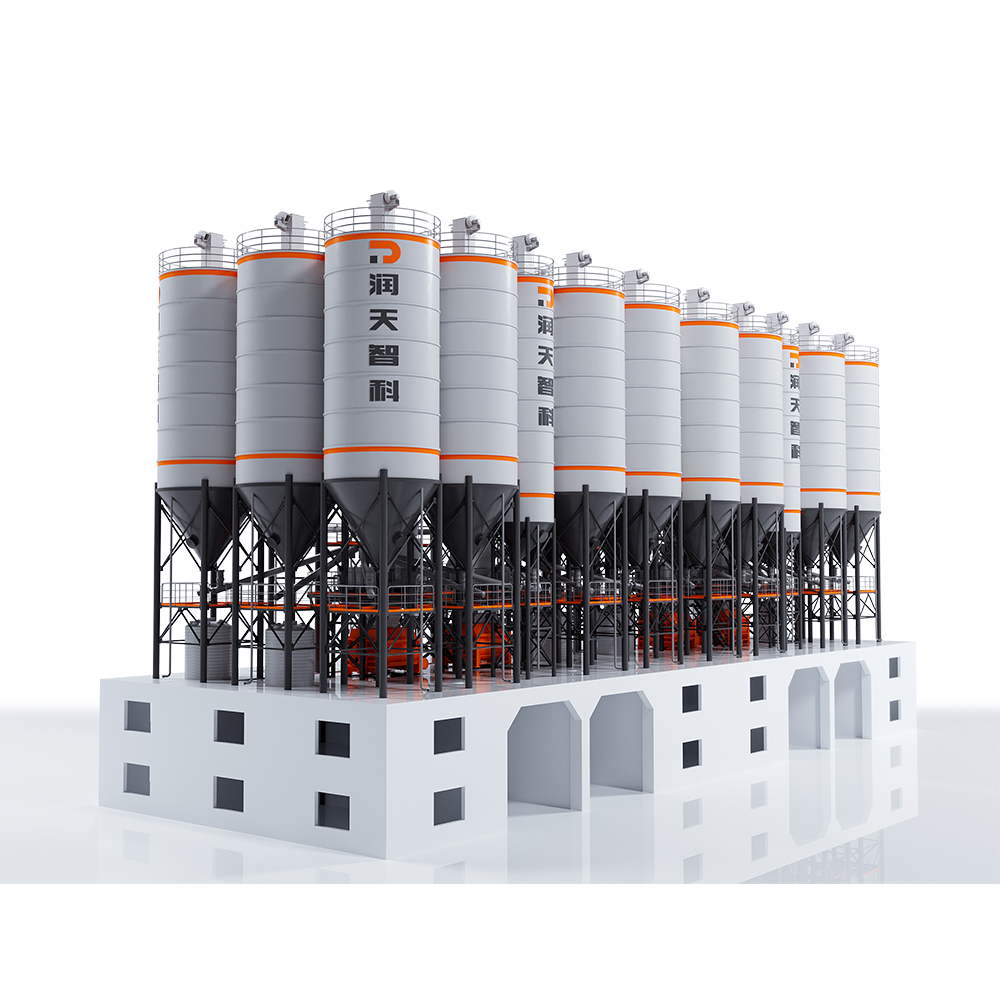 HZS Series Semi-Top Mounted Concrete Mixing Plant
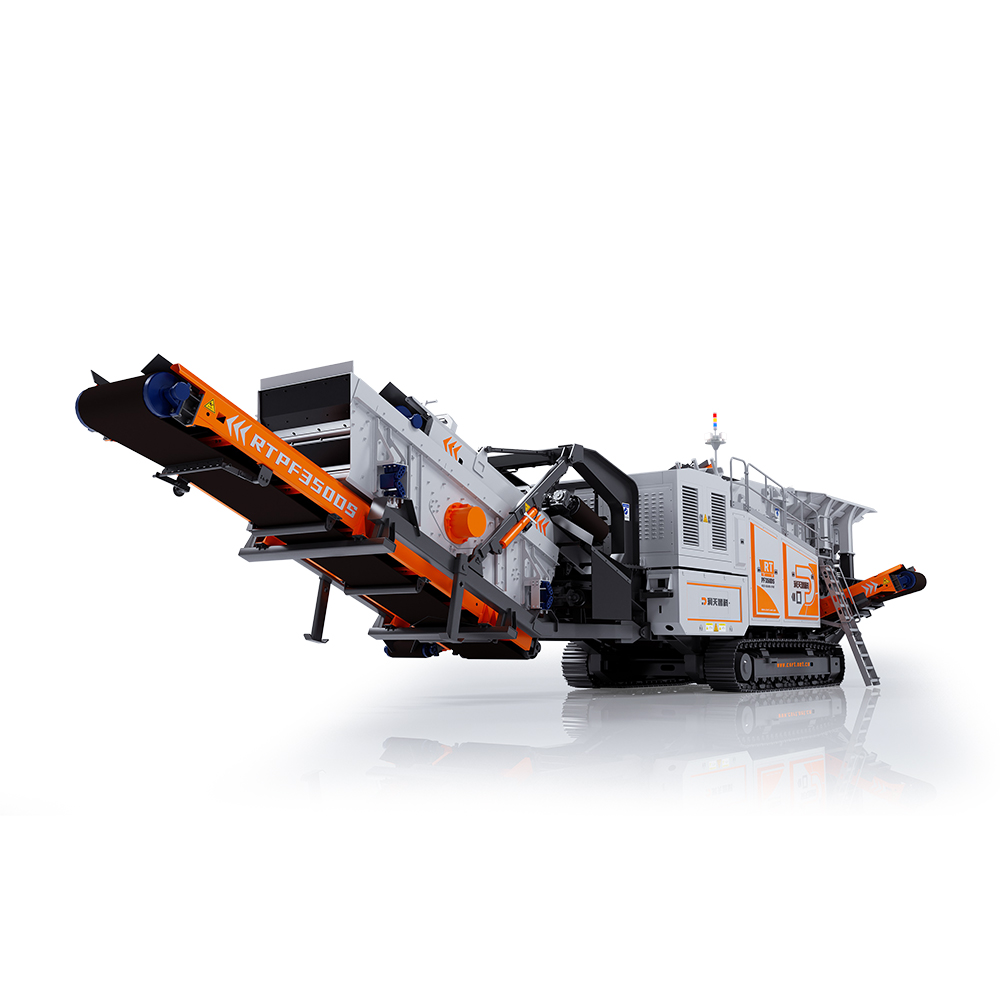 RTPF350DS Crawler Mobile Impact Crushing Plant
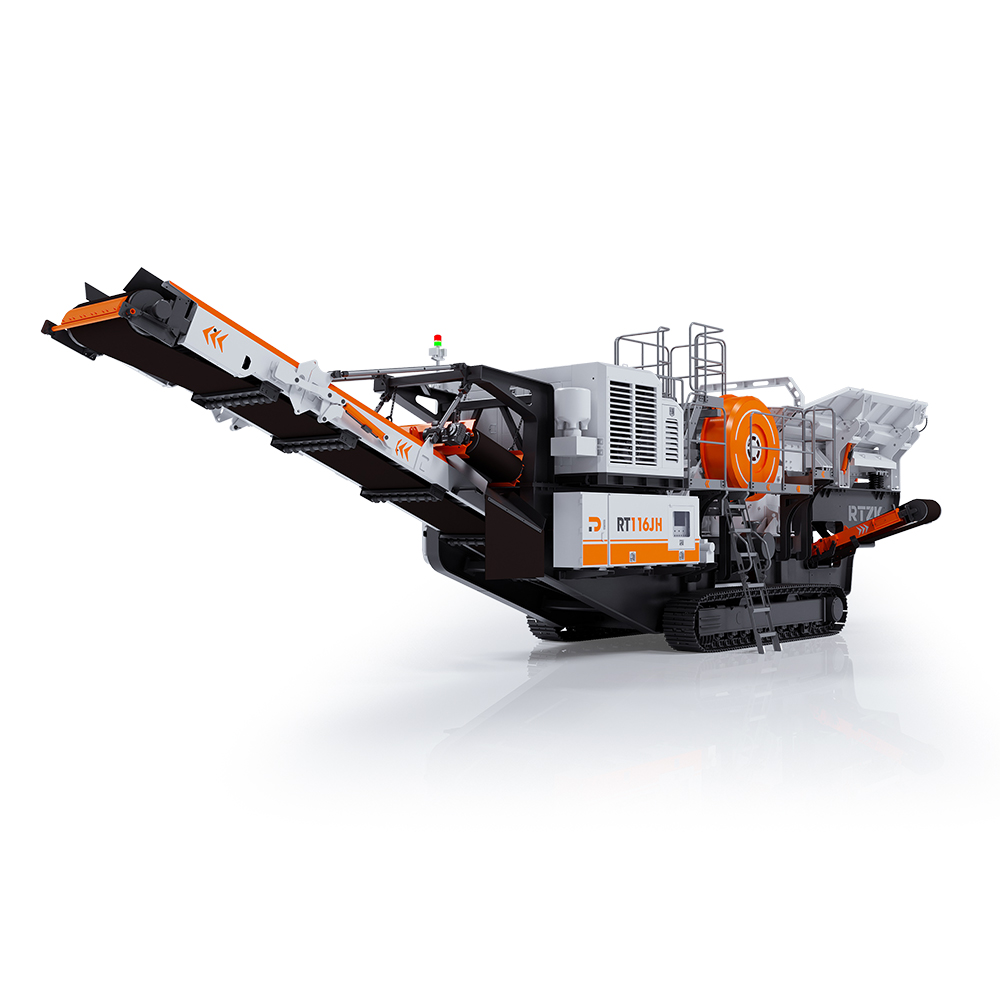 RT116JH Crawler Mobile Jaw Crushing Plant
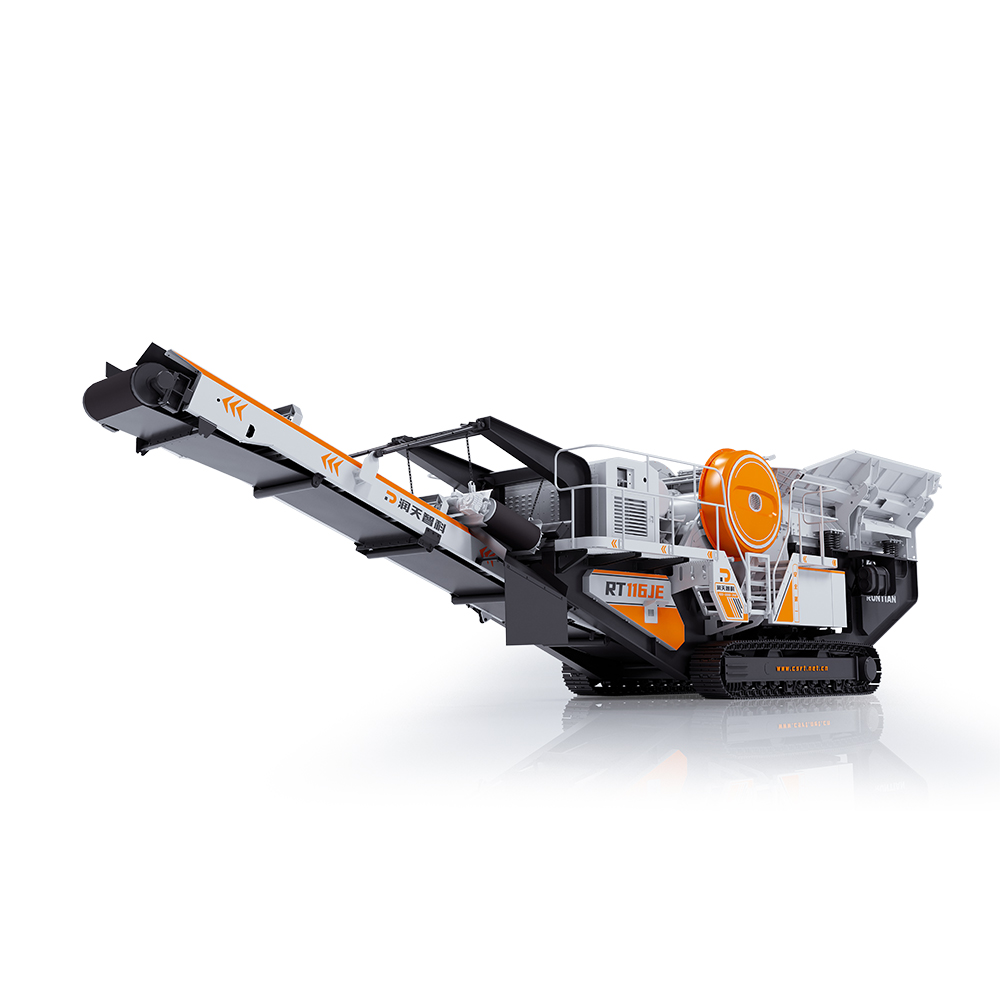 RT116JE Crawler Mobile Jaw Crushing Plant
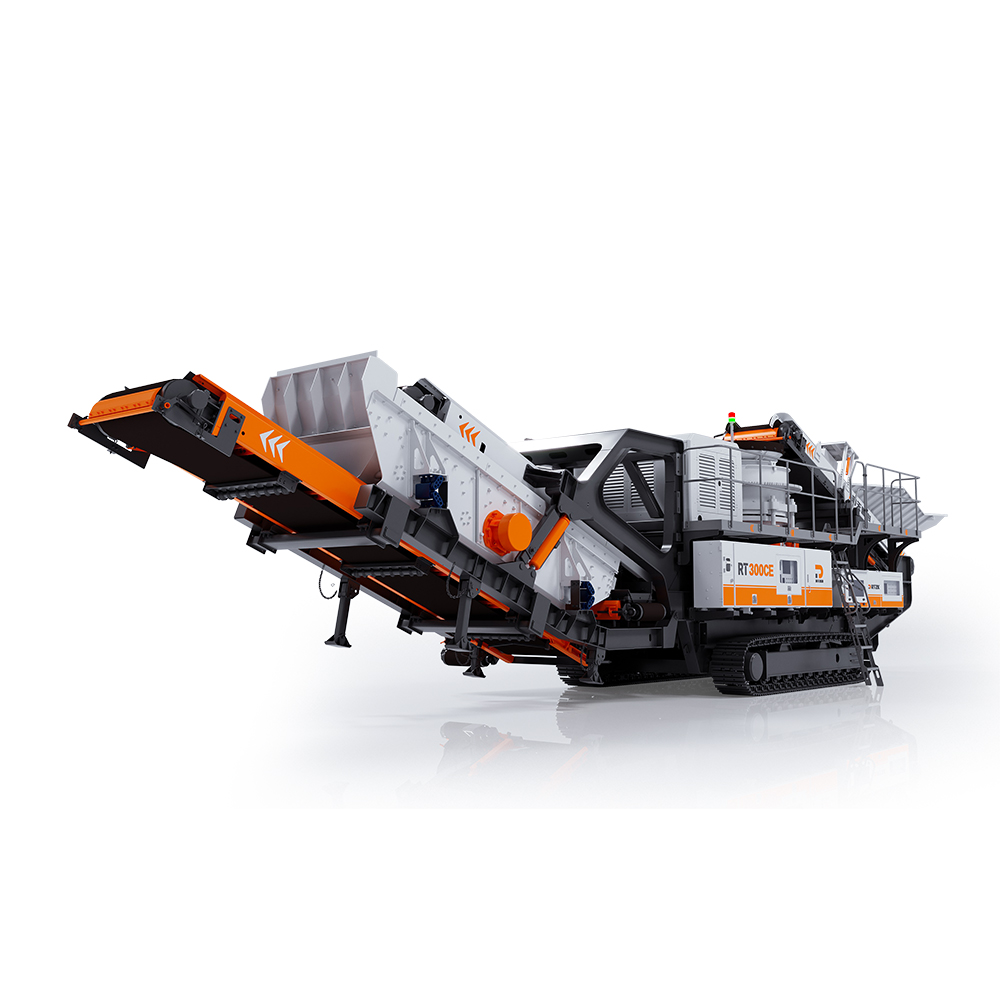 RT300CE Crawler Mobile Cone Crushing Plant
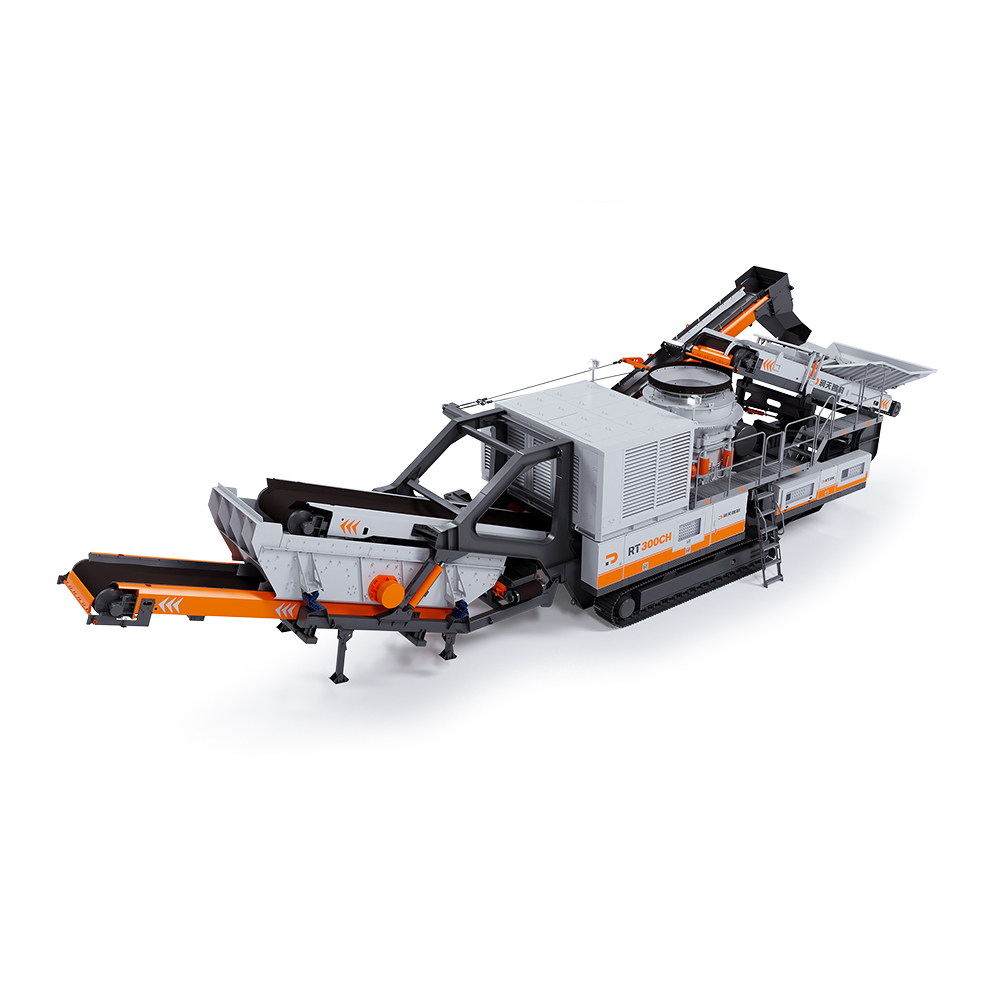 RT300CH Crawler Mobile Cone Crushing Plant
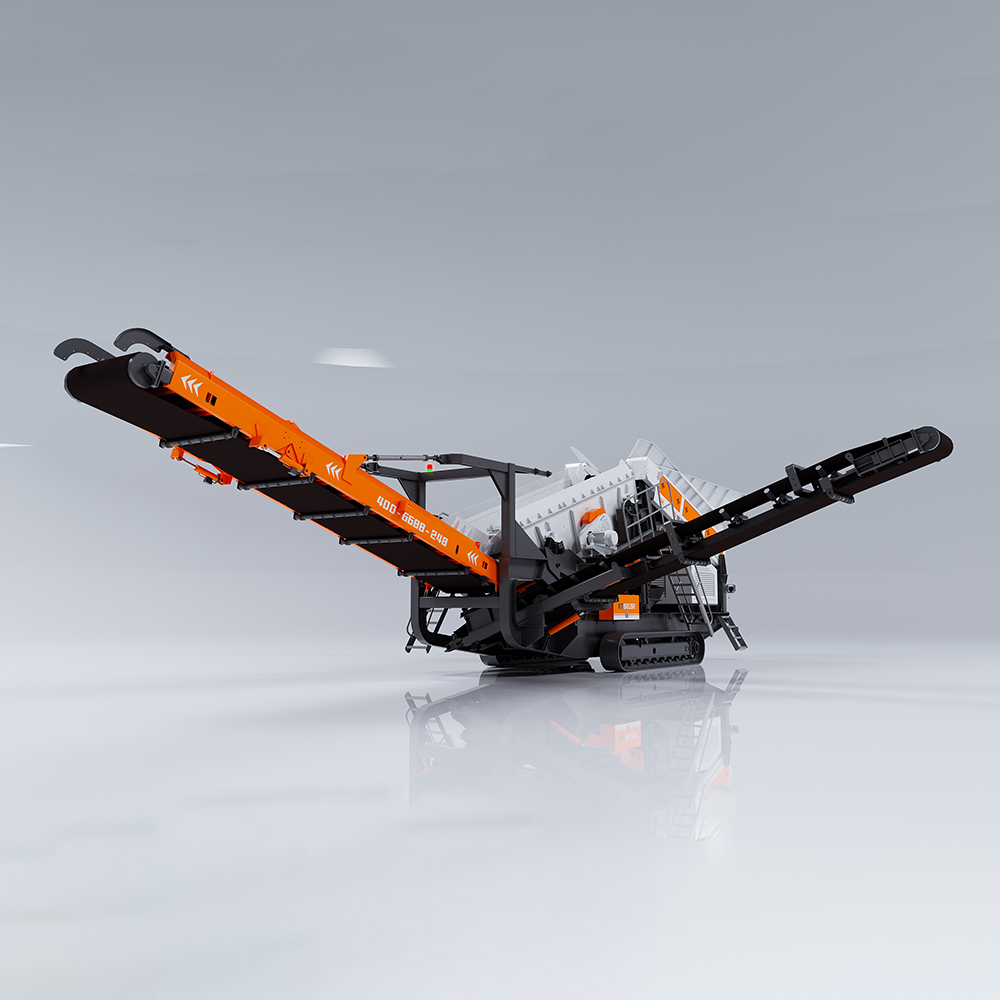 RT5015H Mobile Scalping Screen
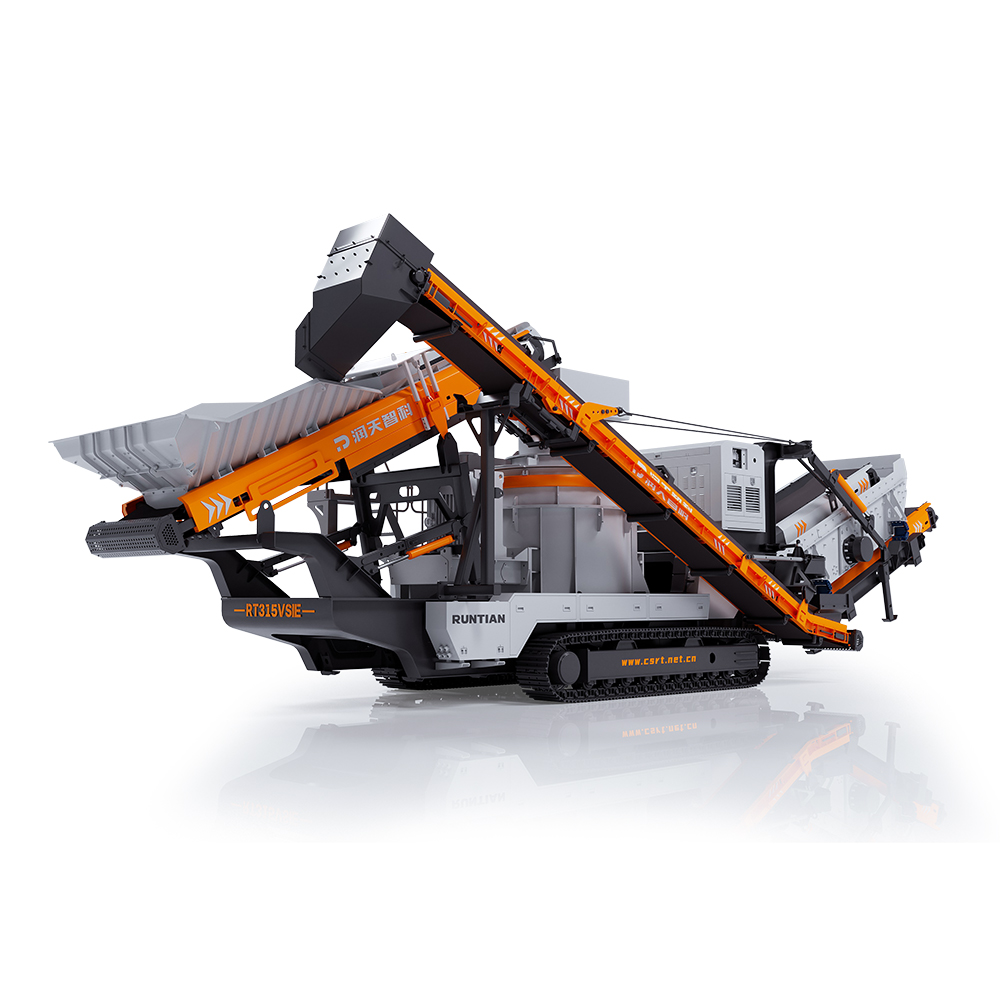 RT315VSIE Crawler Mobile Sand Maker
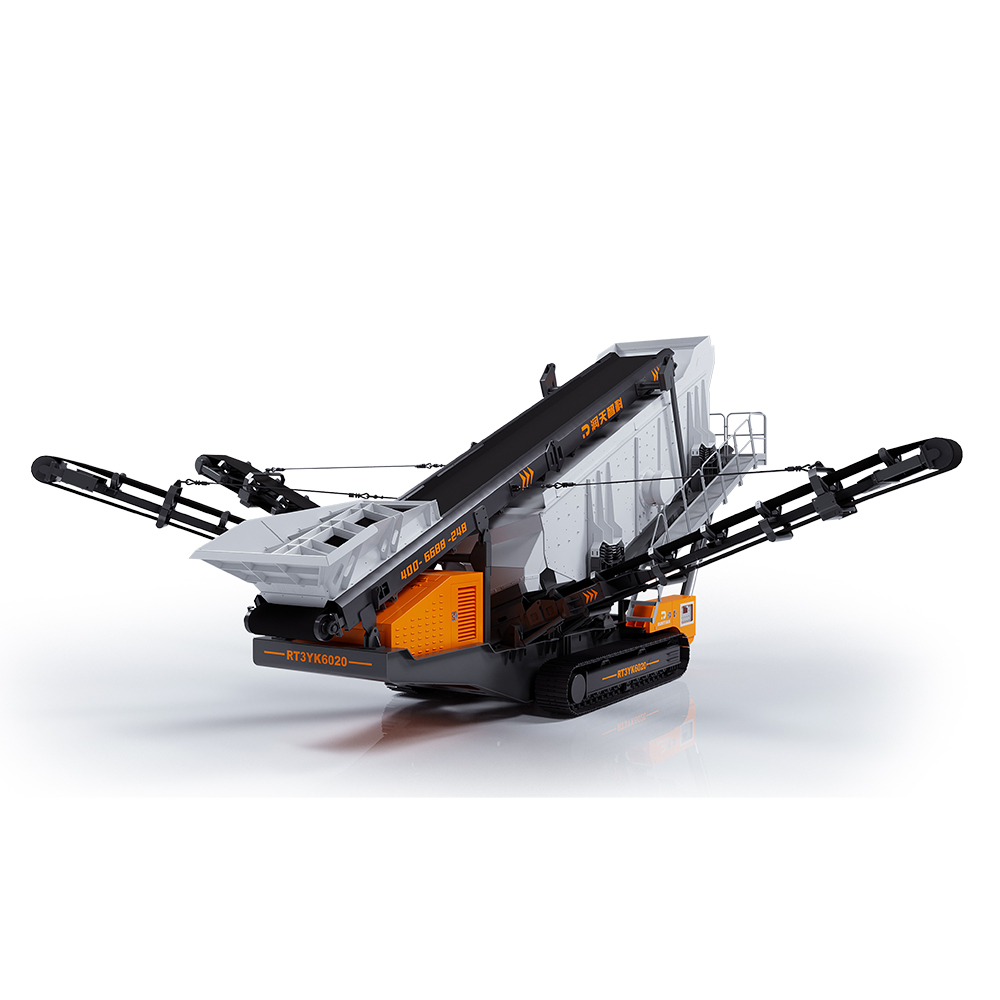 RT3YK6020 Crawler Mobile Screening Plant
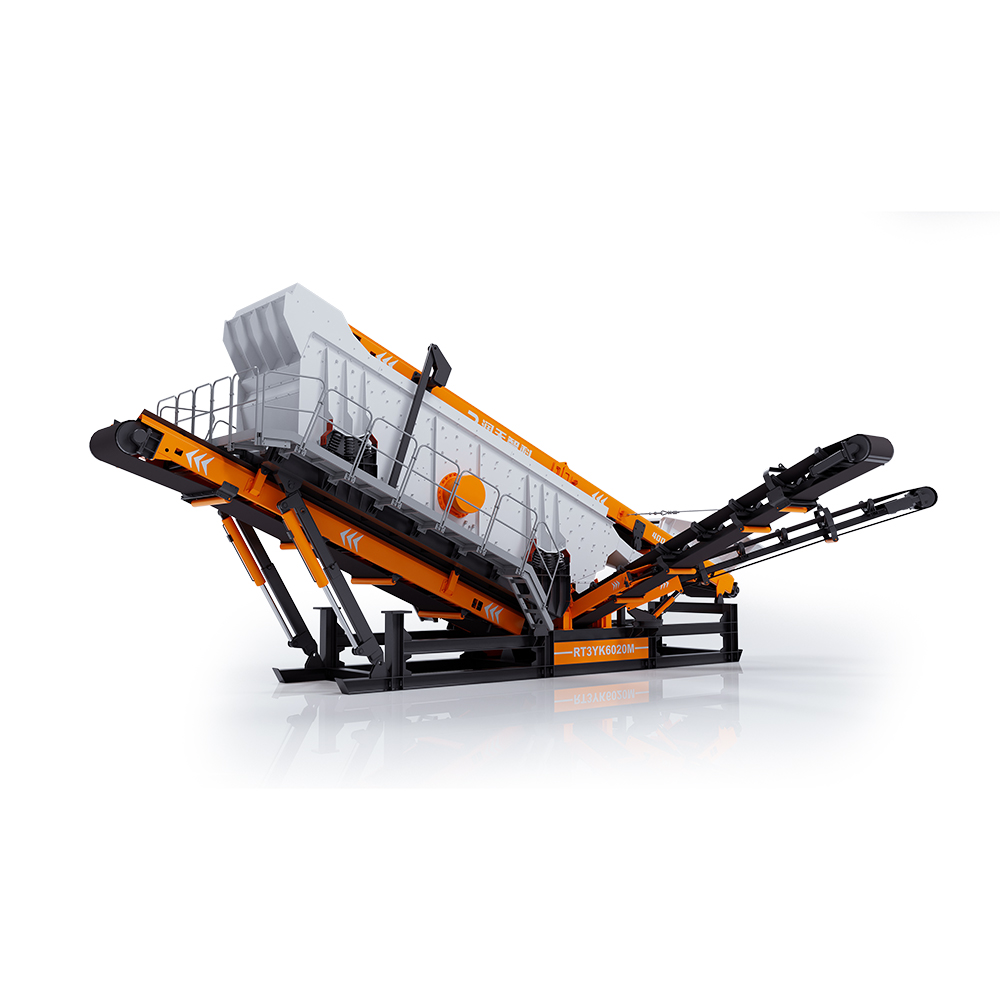 RT3YK6020M Modular Screening Plant
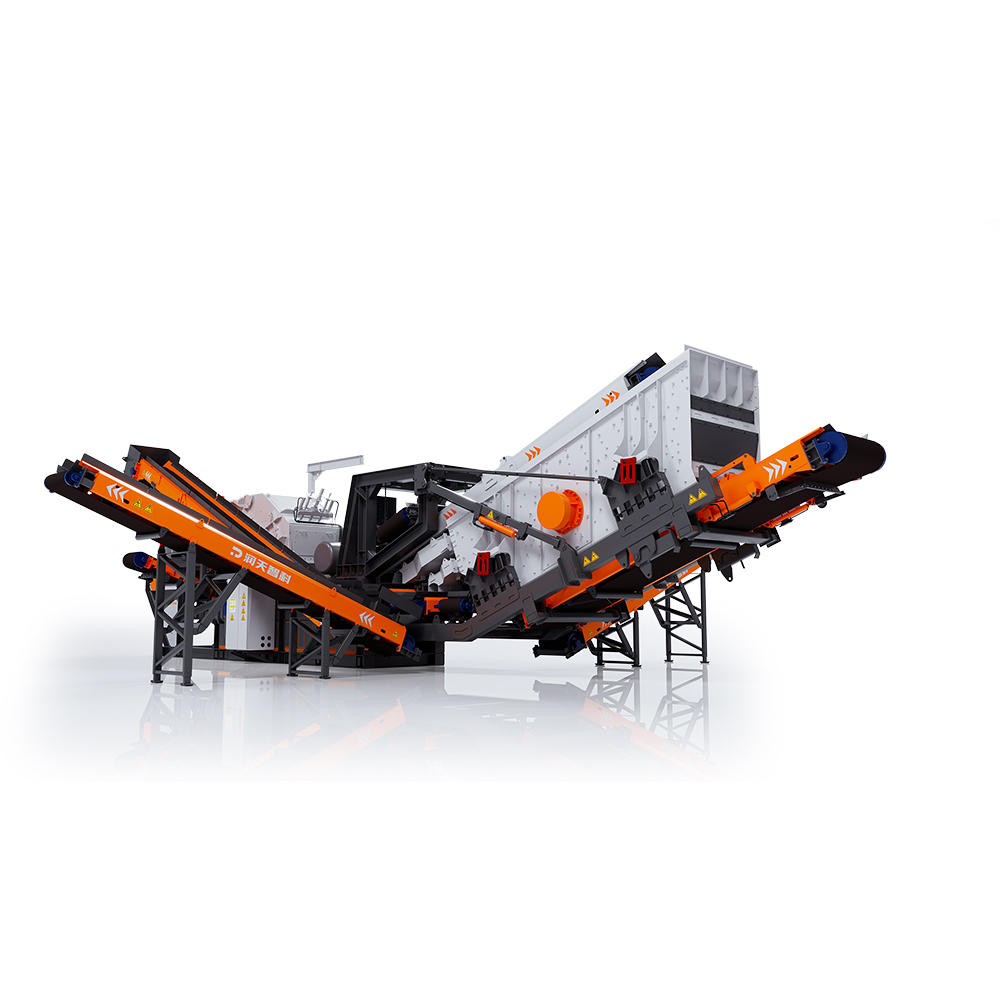 RTF260M Modular Counterattack Crushing and Screening Integrated Machine
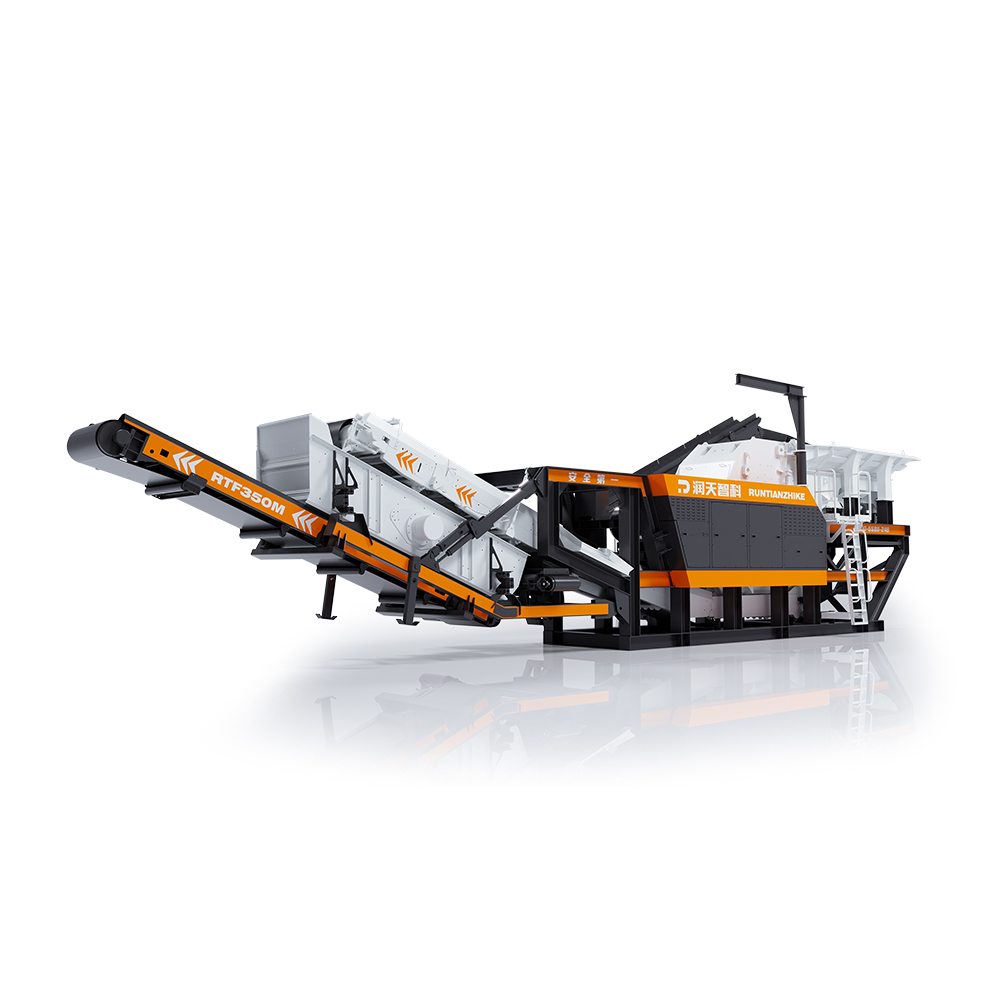 RTF350M Modular Impact Crushing Plant
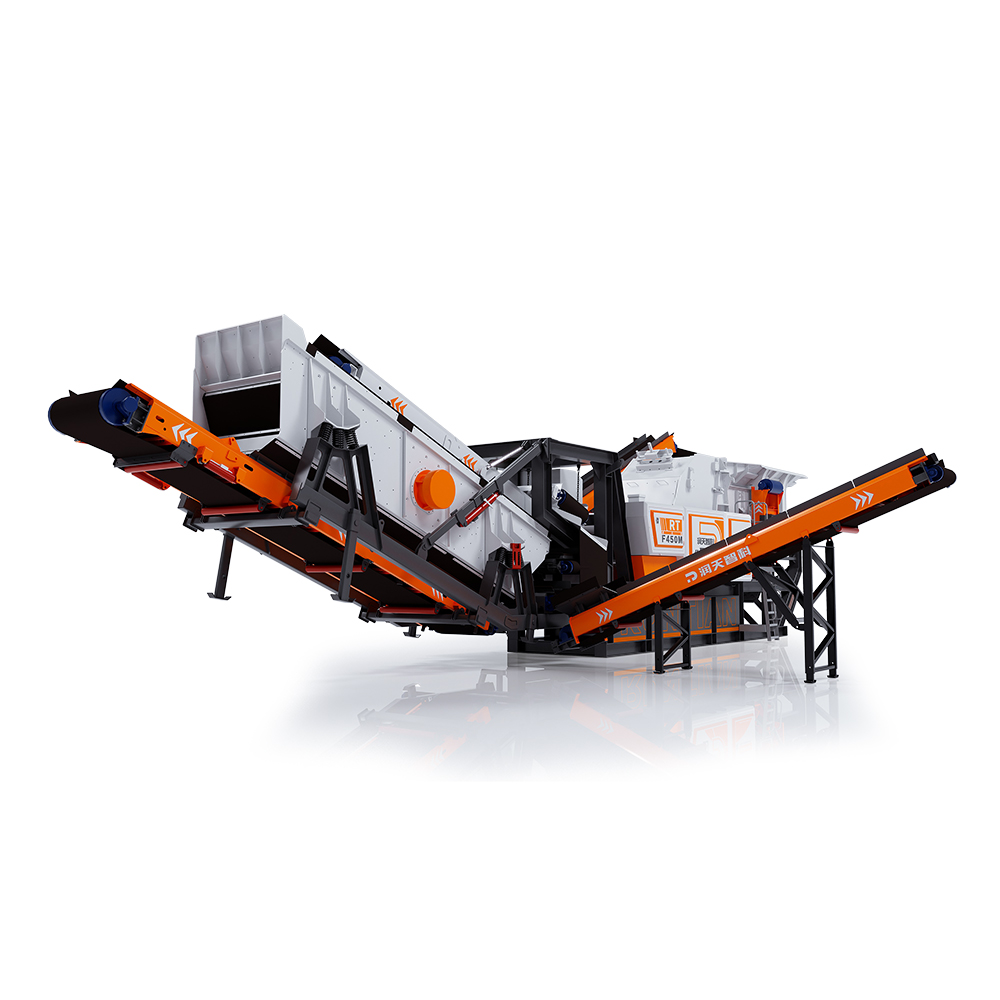 RTF450M Modular Impact Crushing Plant
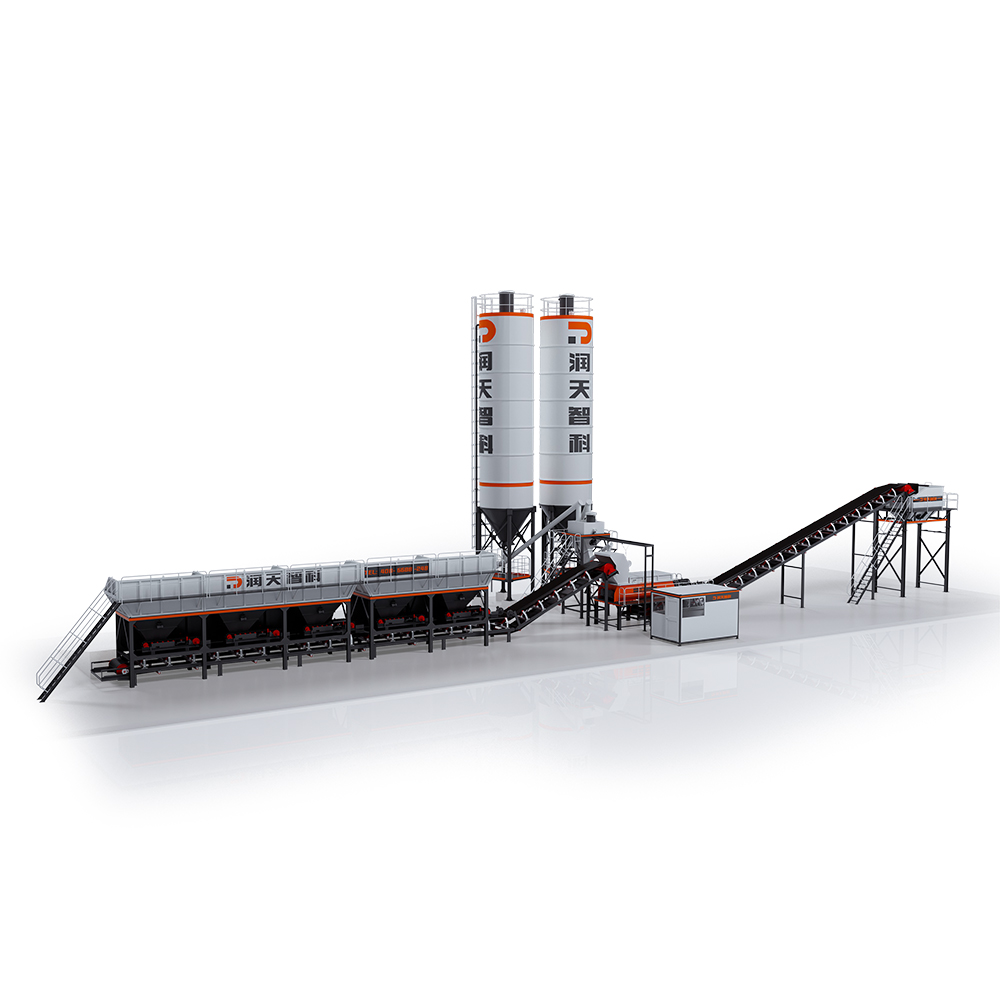 WDB Series Foundation-Free Stability Soil Mixing Plant
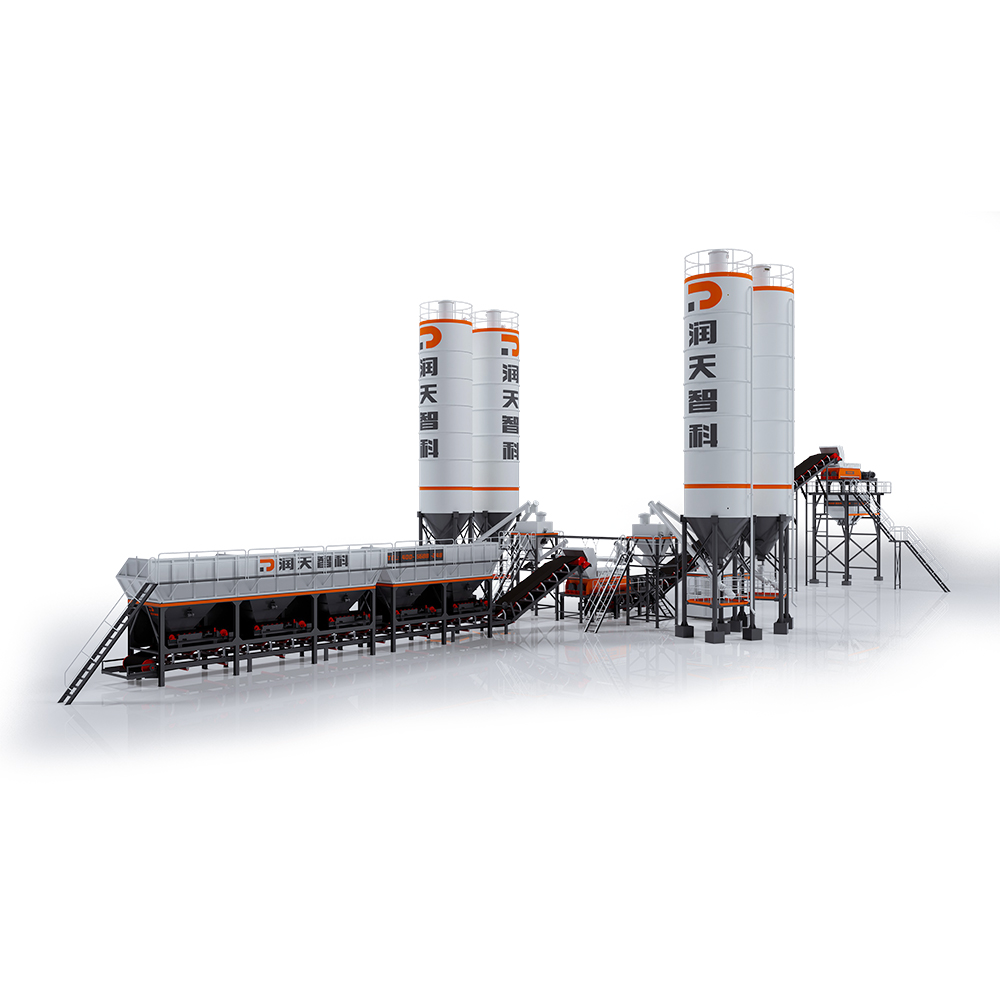 LCB Series Emulsified Asphalt Cold Regeneration Secondary Mixing Plant
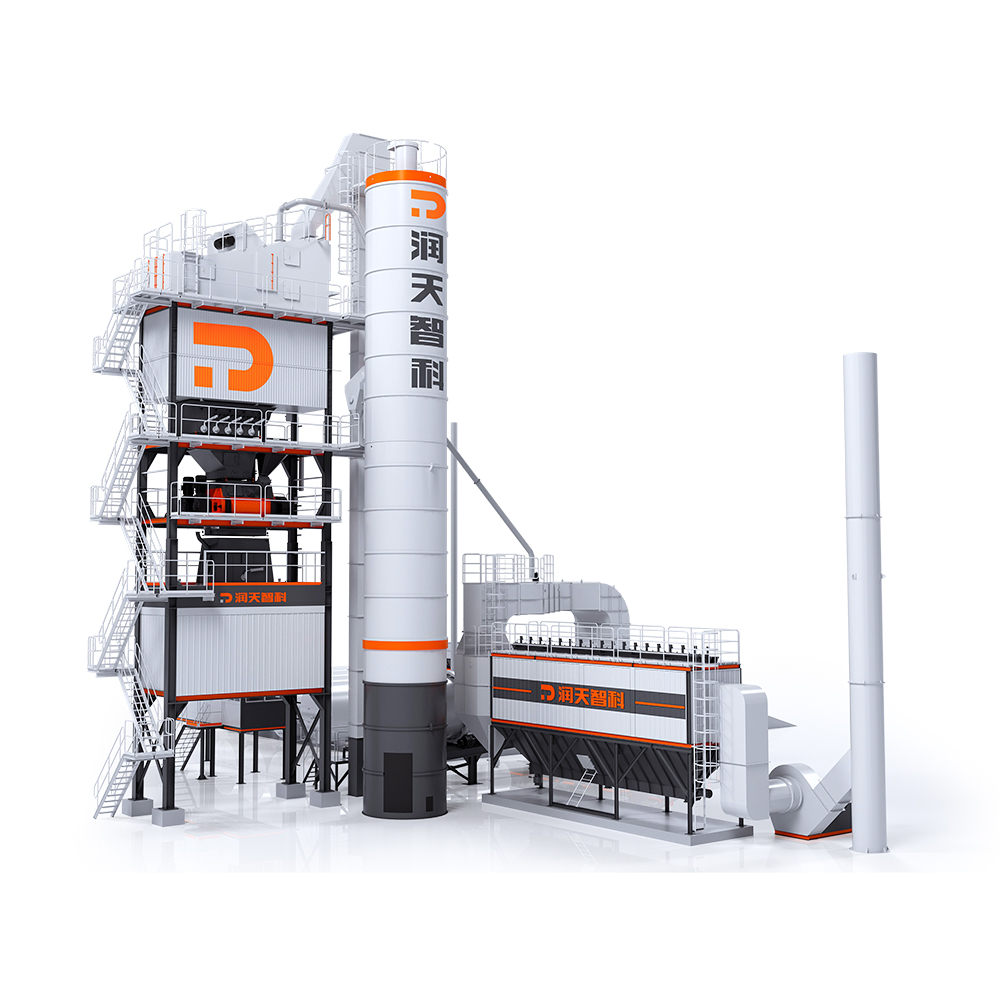 LB Series Asphalt Mixing Plant
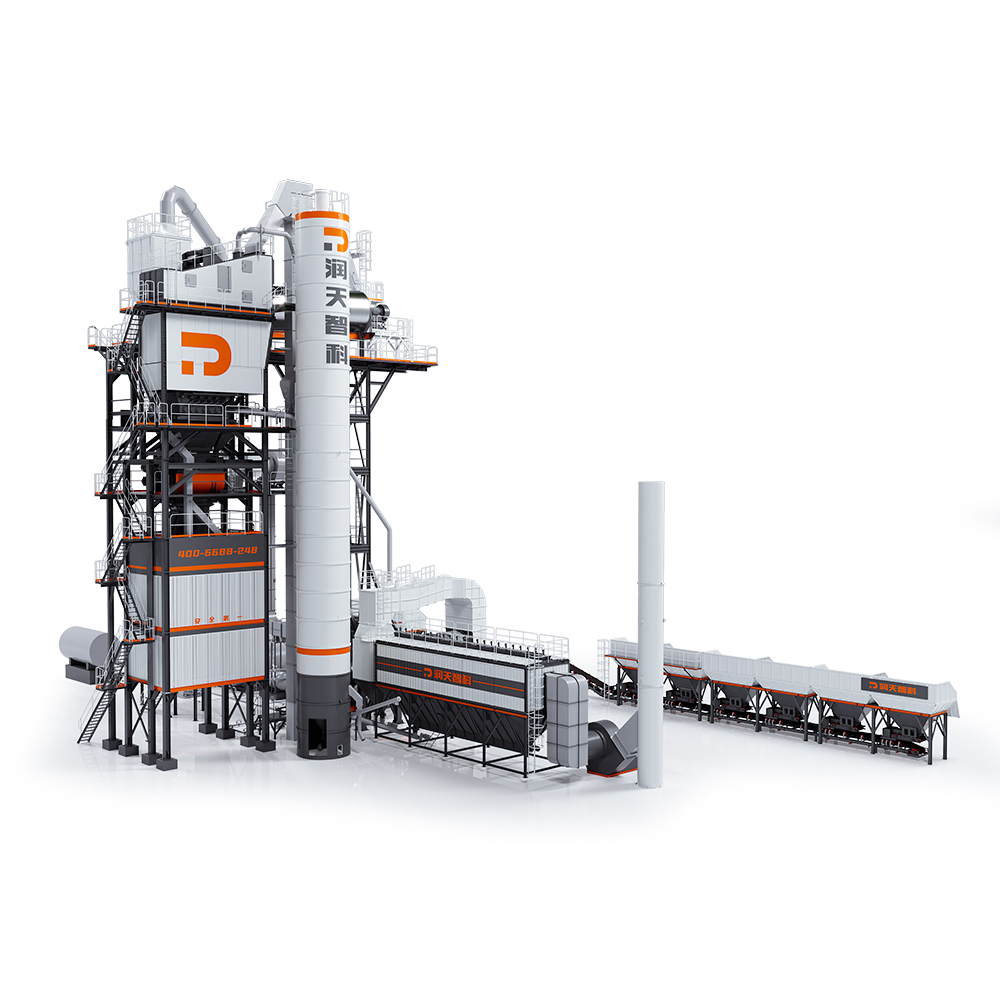 LBR Series Integrated Asphalt Mixing Plant
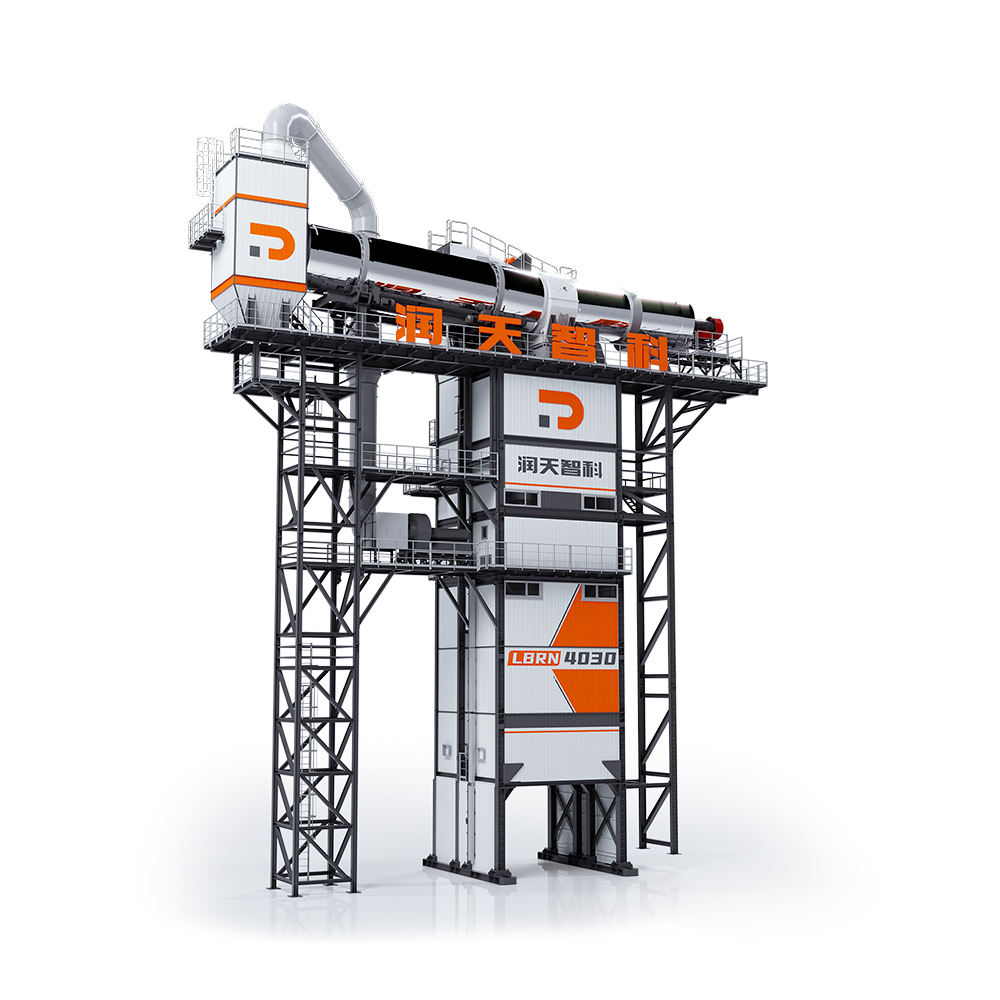 LBRN Series Counterflow Integral Asphalt Mixing Plant
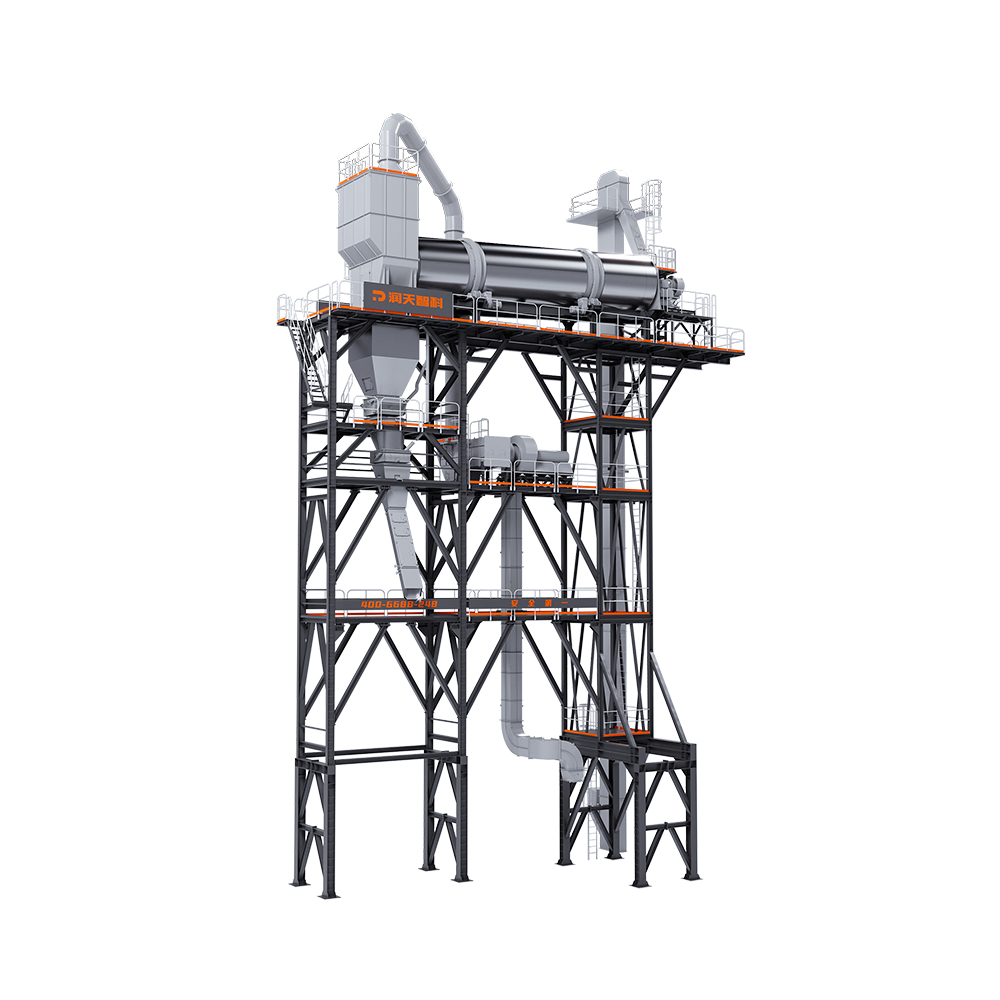 RZS Series Asphalt Mixing Plant
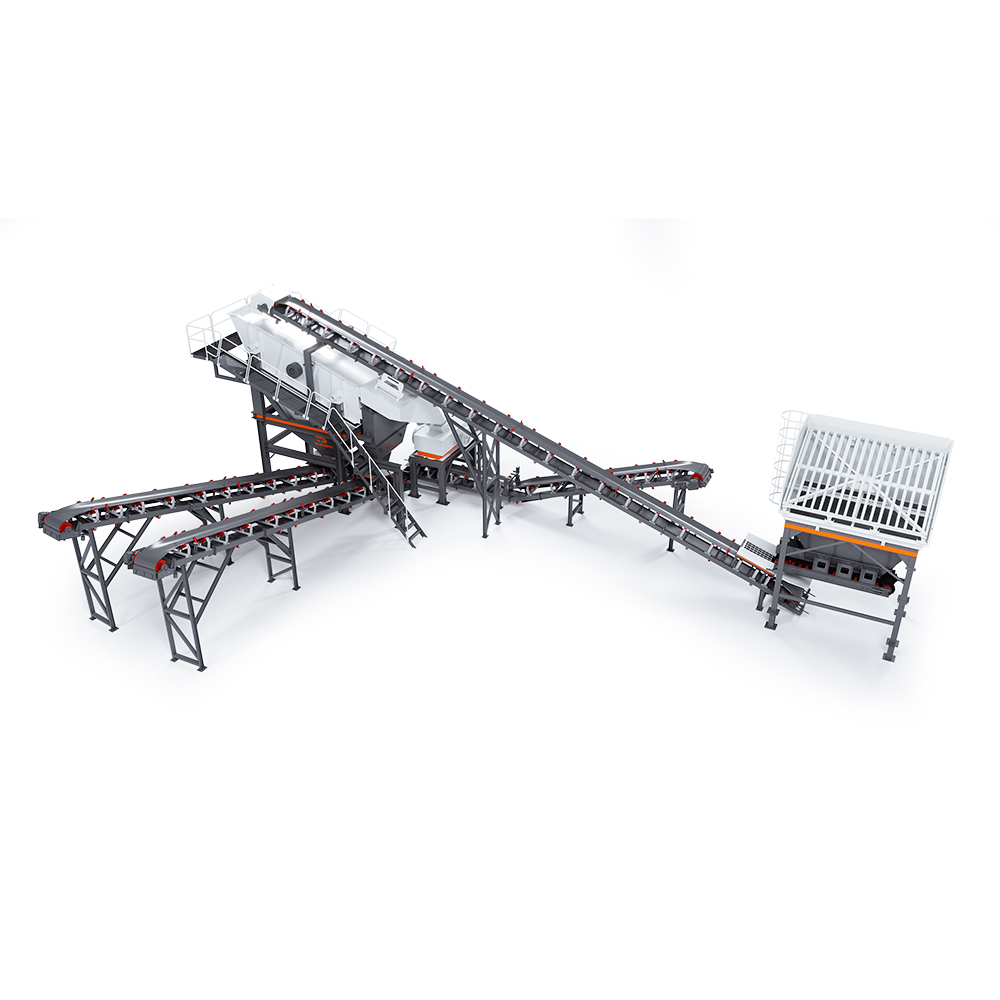 RTZS120 Series RAP Crushing & Screening Plant
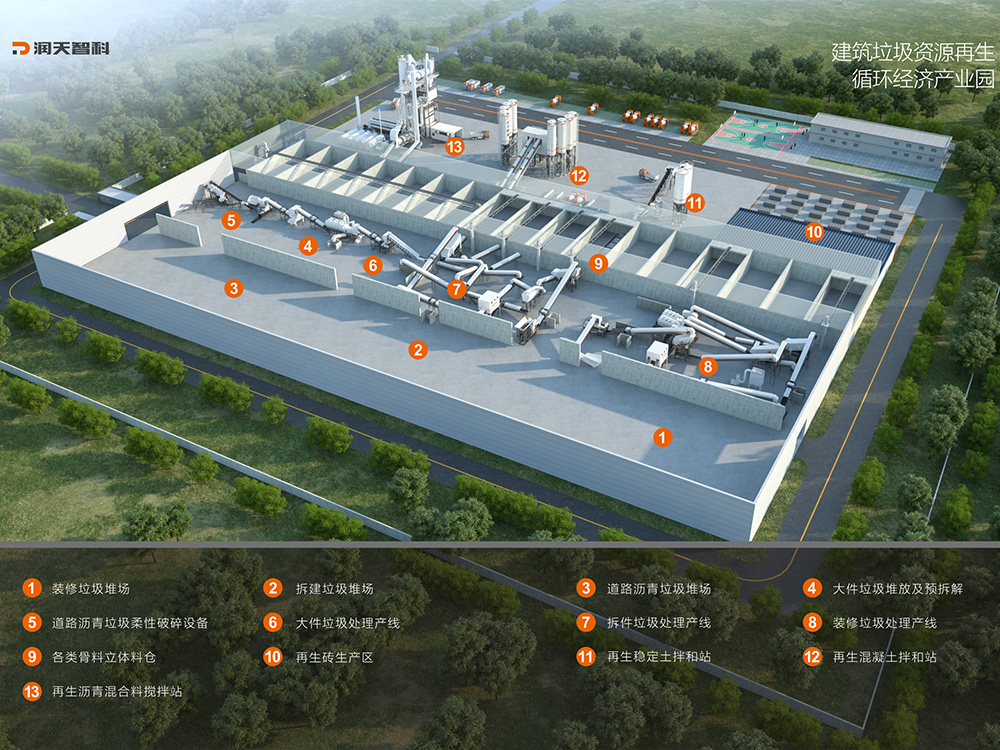 Construction Waste Resourceful Treatment Line