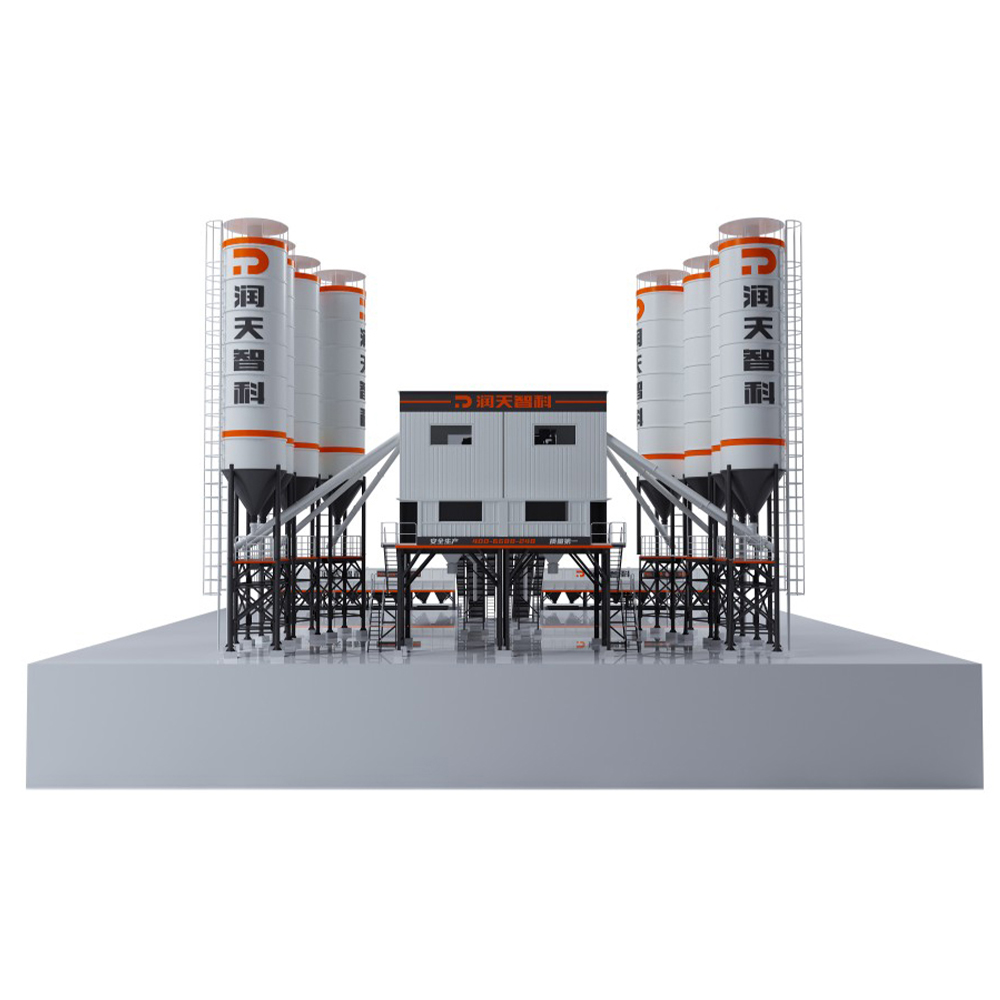
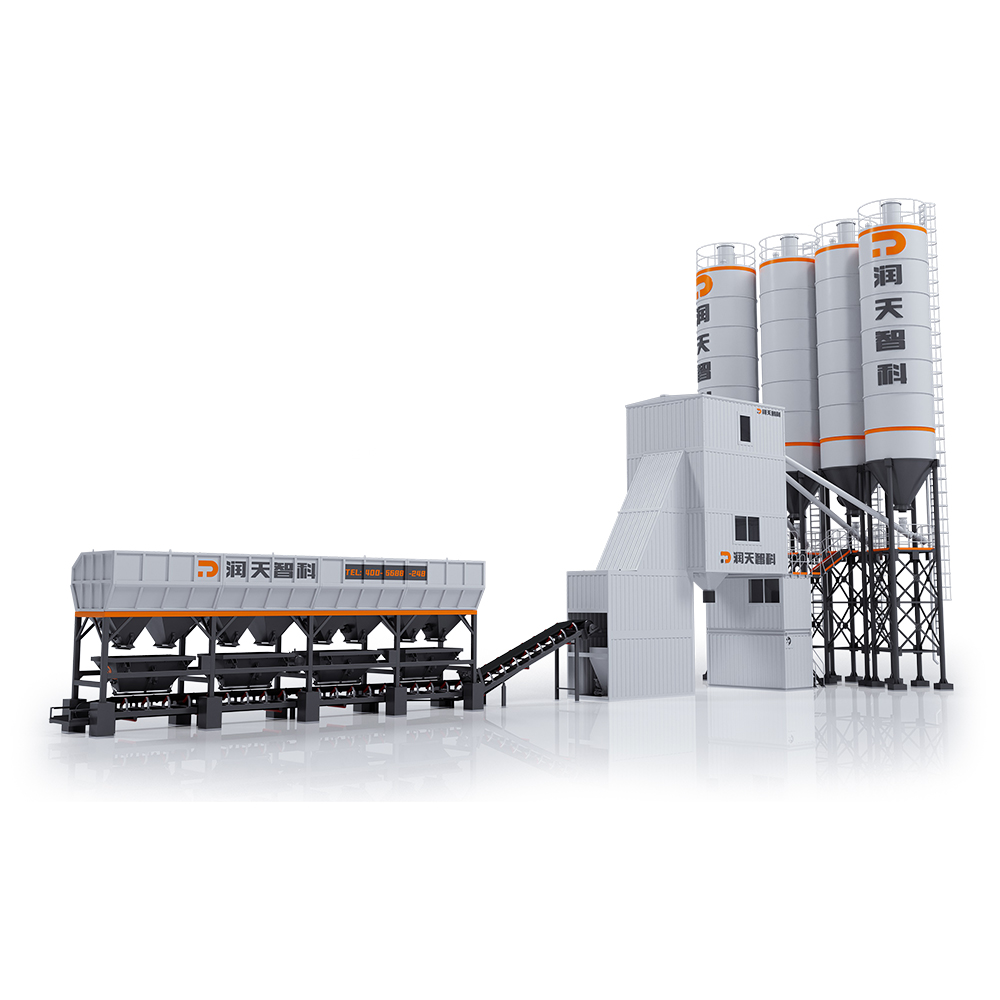
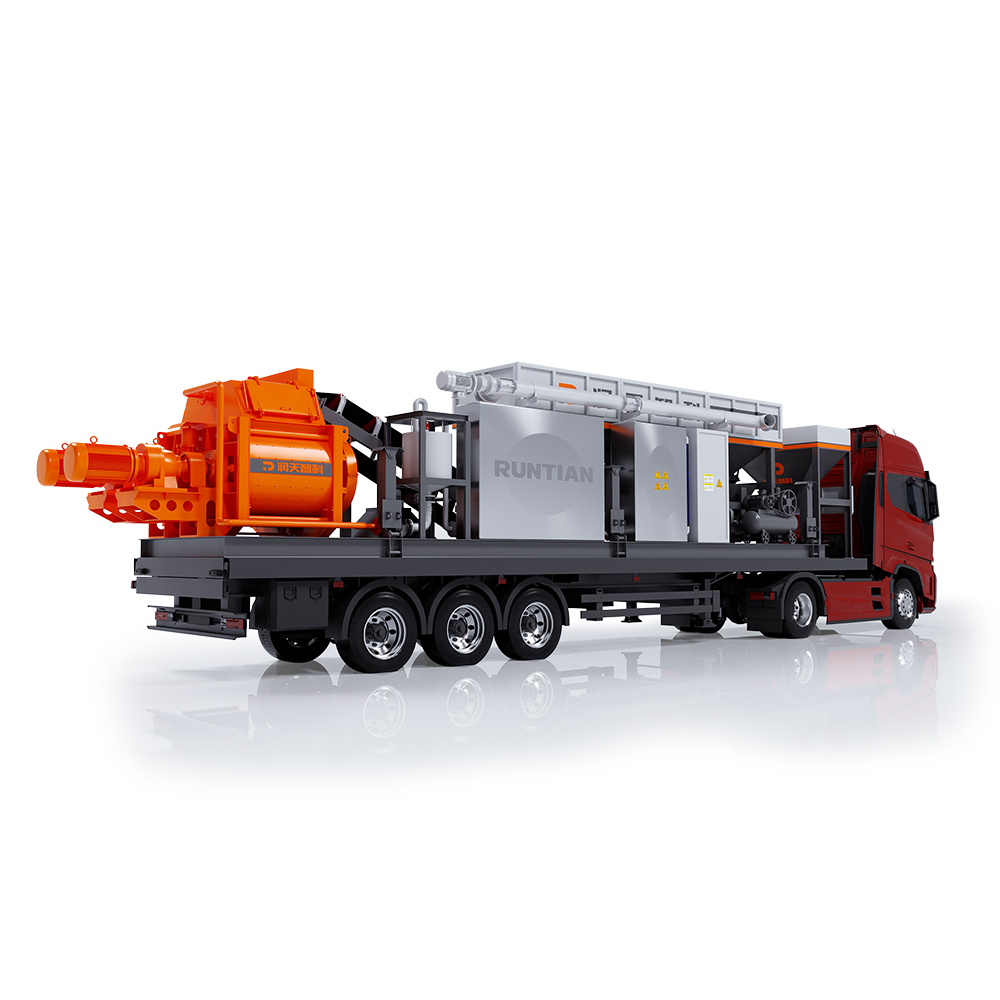
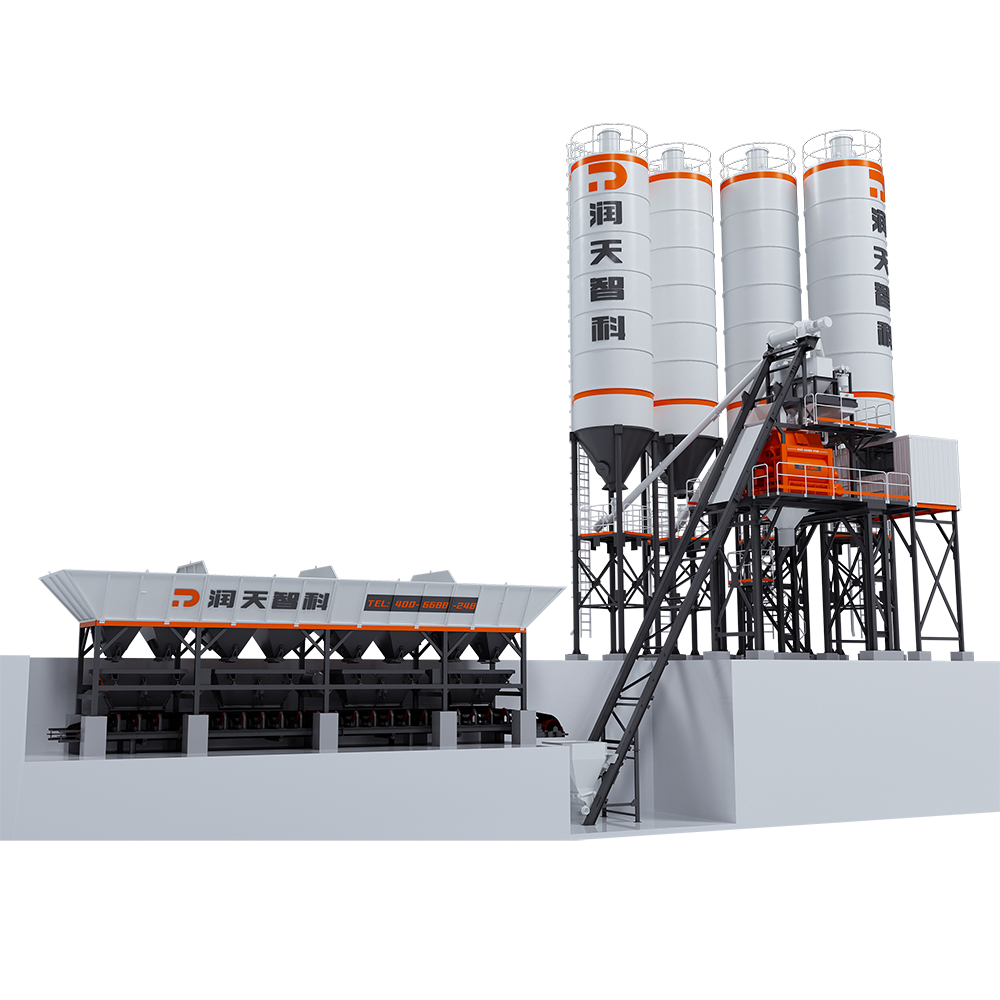
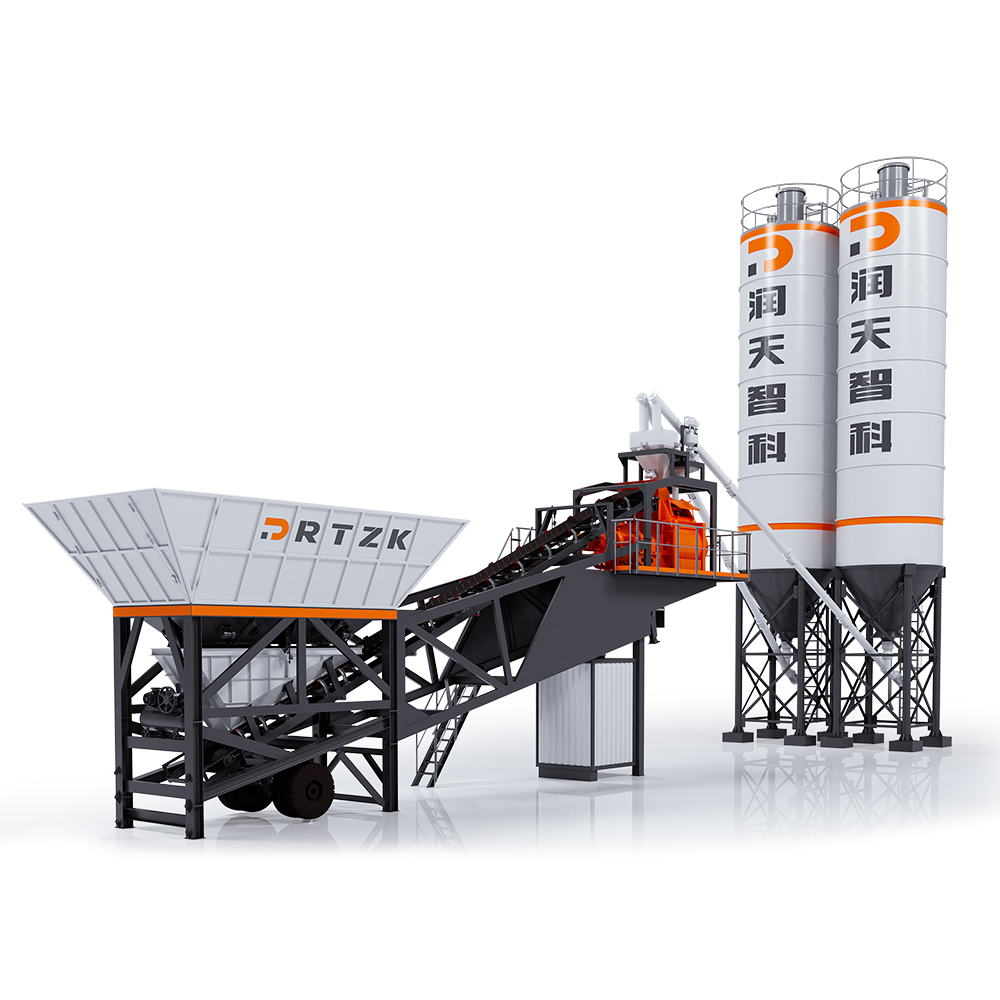
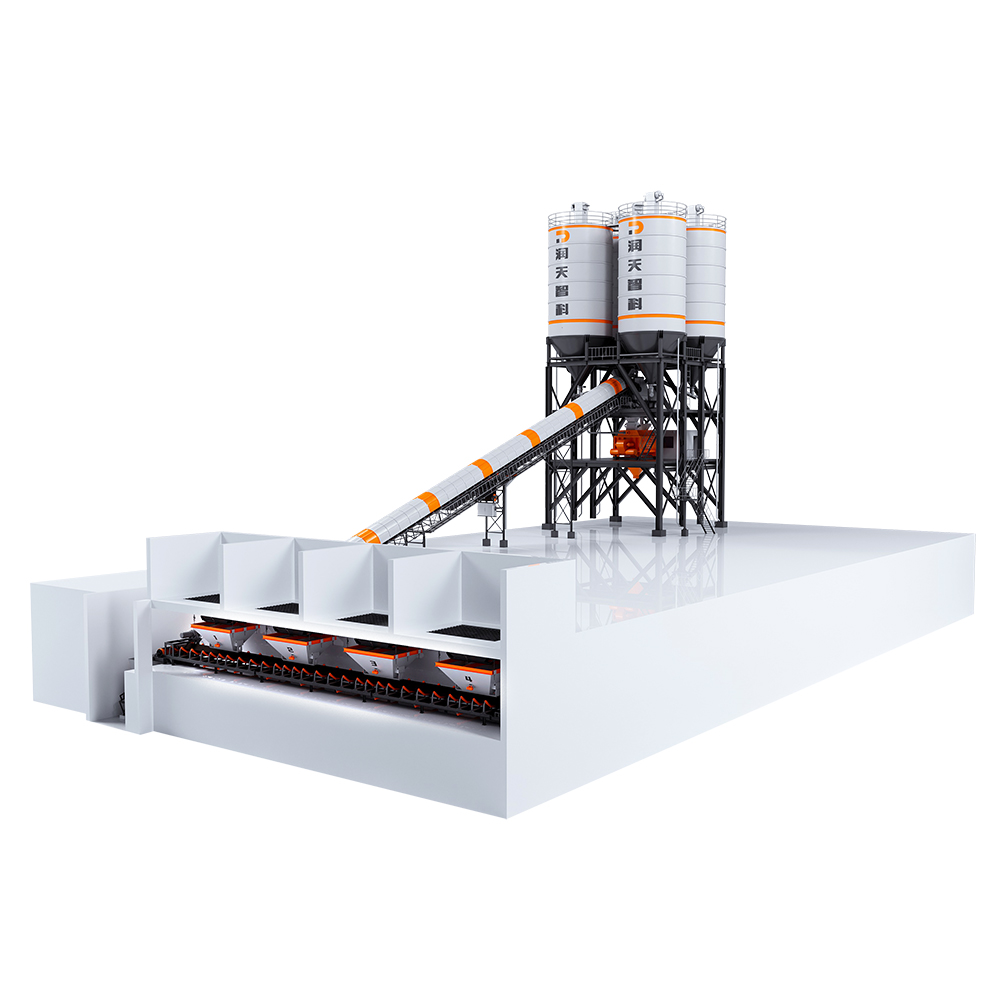
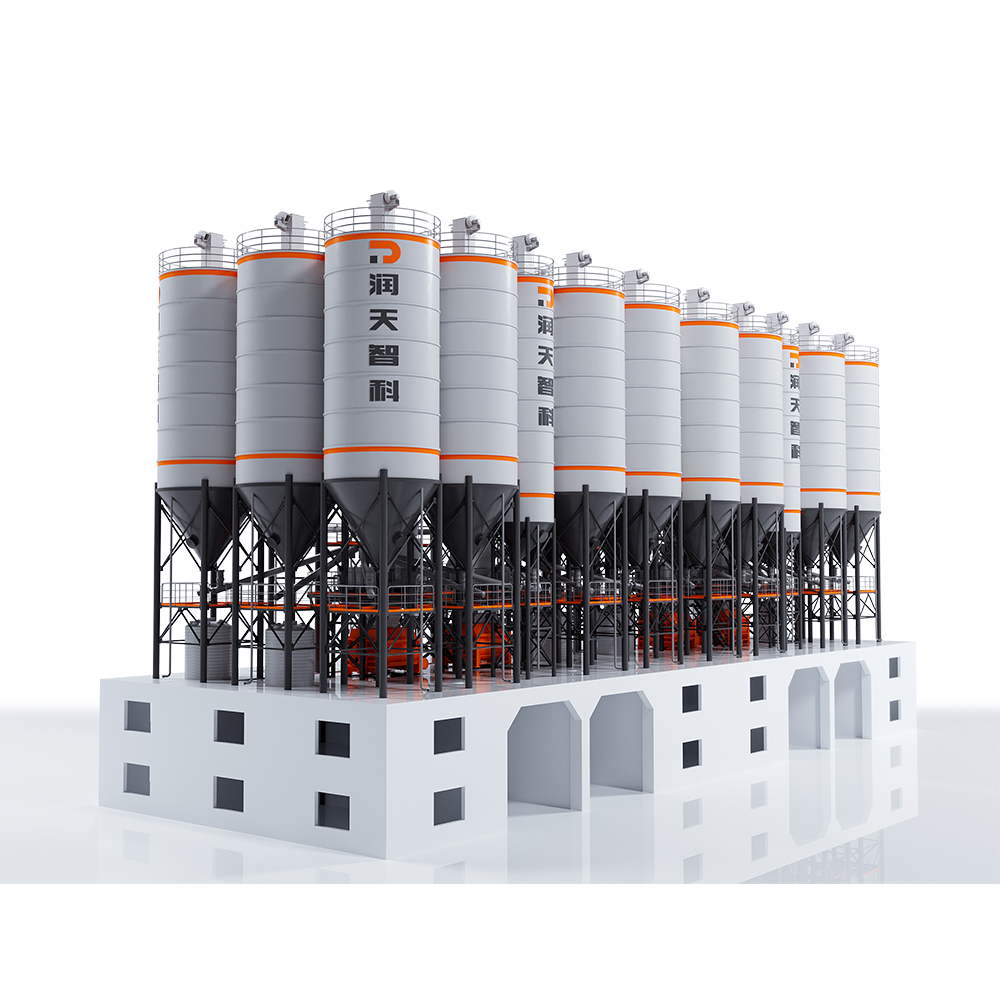
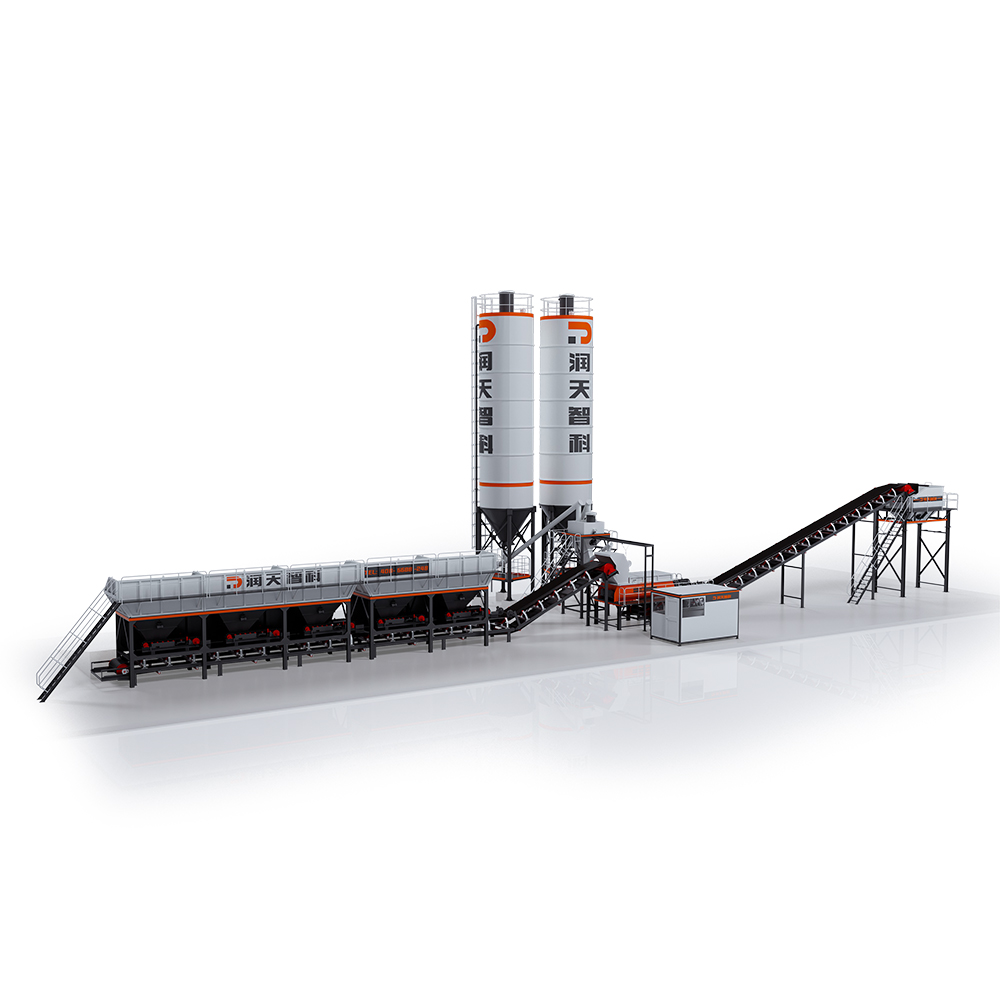
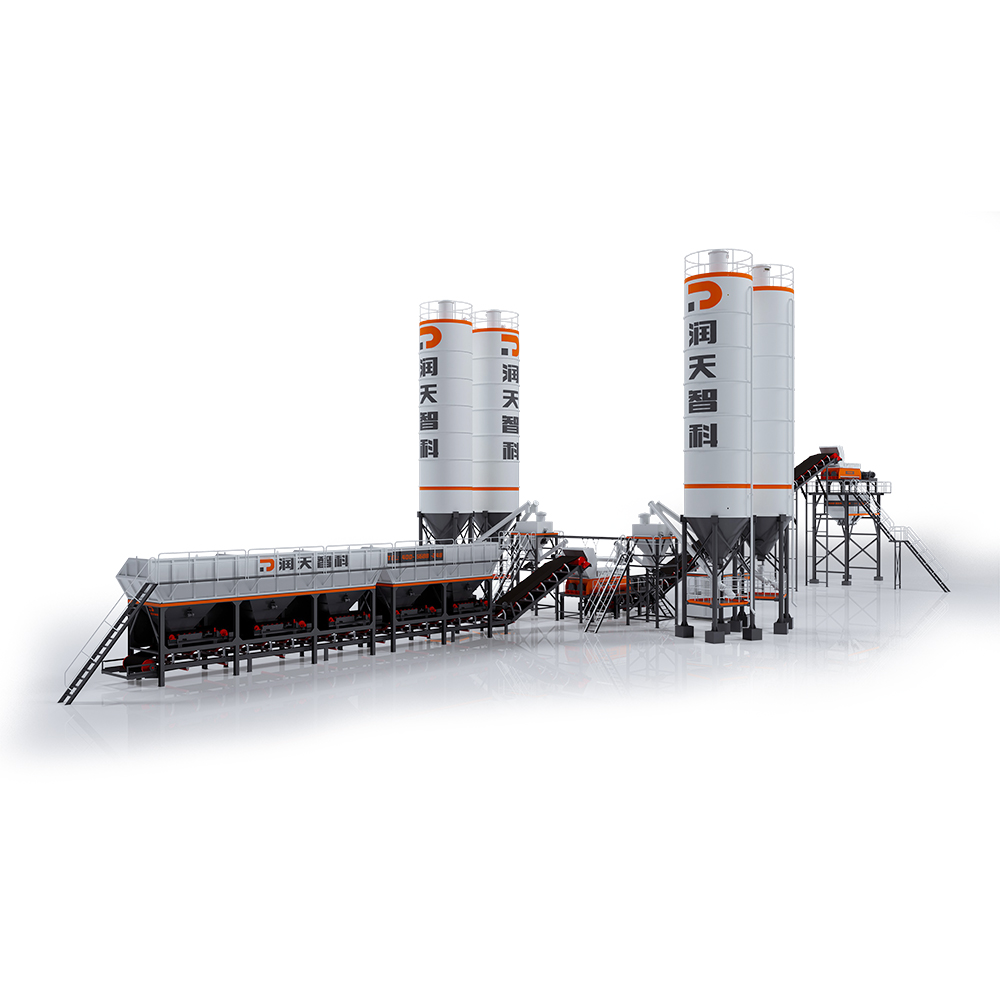
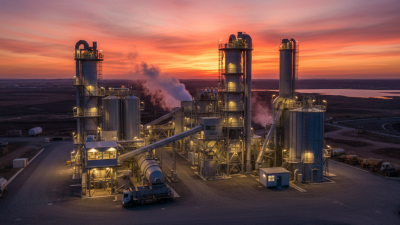
HZS Series Belt Concrete Mixing Plant
HZS Series Bucket-Lifting Type Container Concrete Mixing Plant
HZS60 Mobile Concrete Mixing Plant
HZS Series Bucket-Lifting Type Concrete Mixing Plant
HZS Series Mobile Concrete Mixing Plant
HZS Series Top-Mounted Concrete Mixing plant
HZS Series Semi-Top Mounted Concrete Mixing Plant
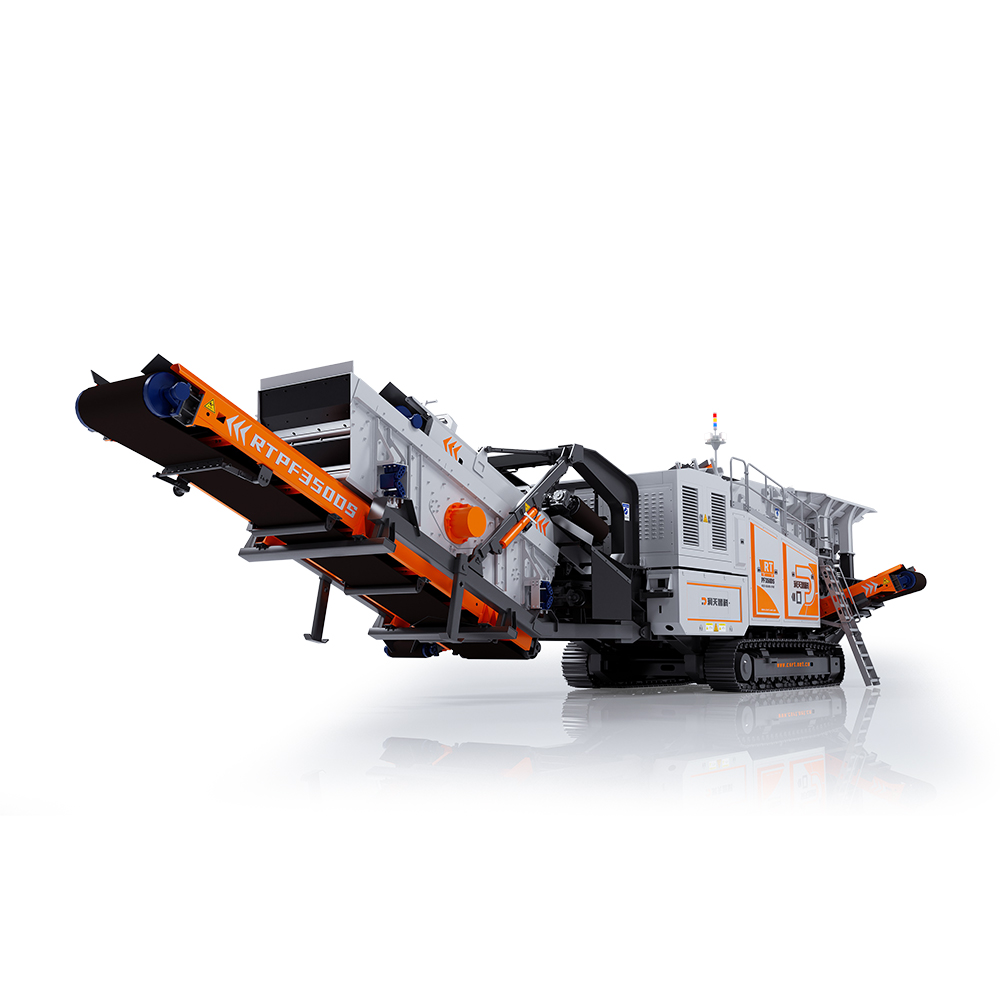
RTPF350DS Crawler Mobile Impact Crushing Plant
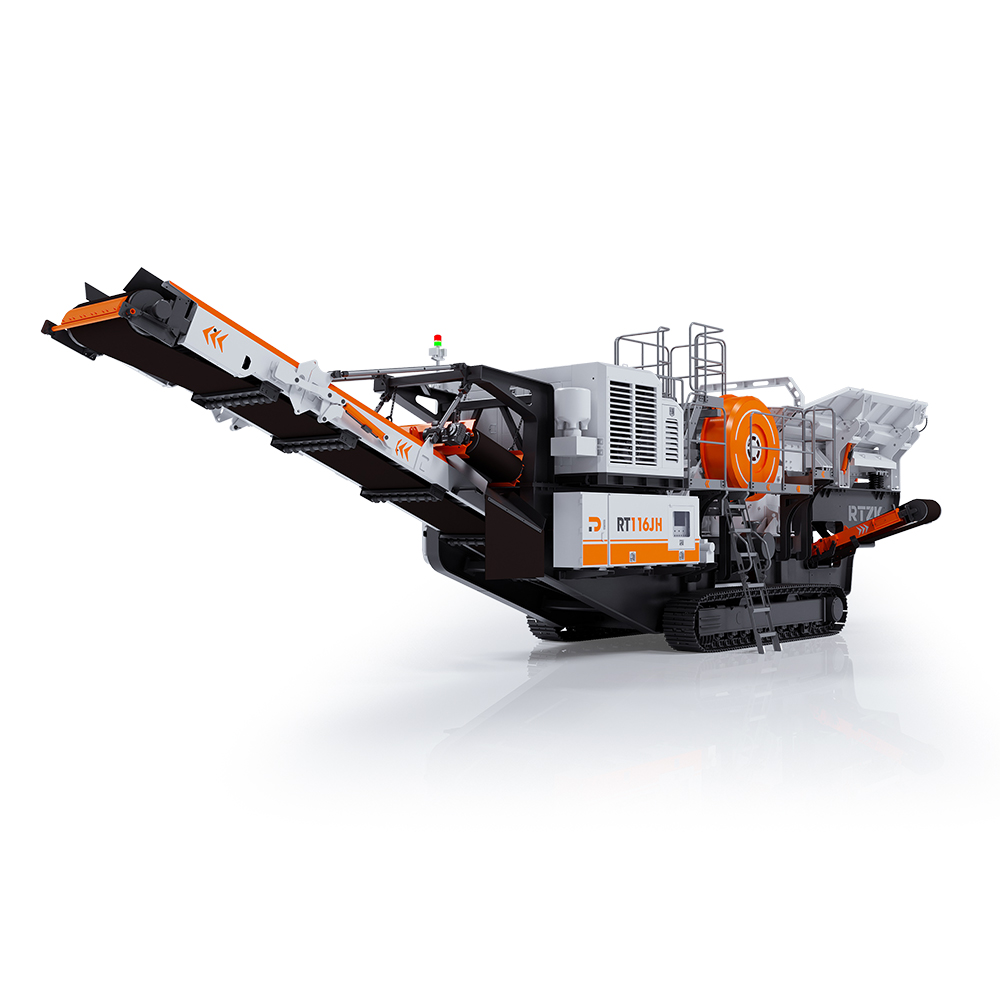
RT116JH Crawler Mobile Jaw Crushing Plant
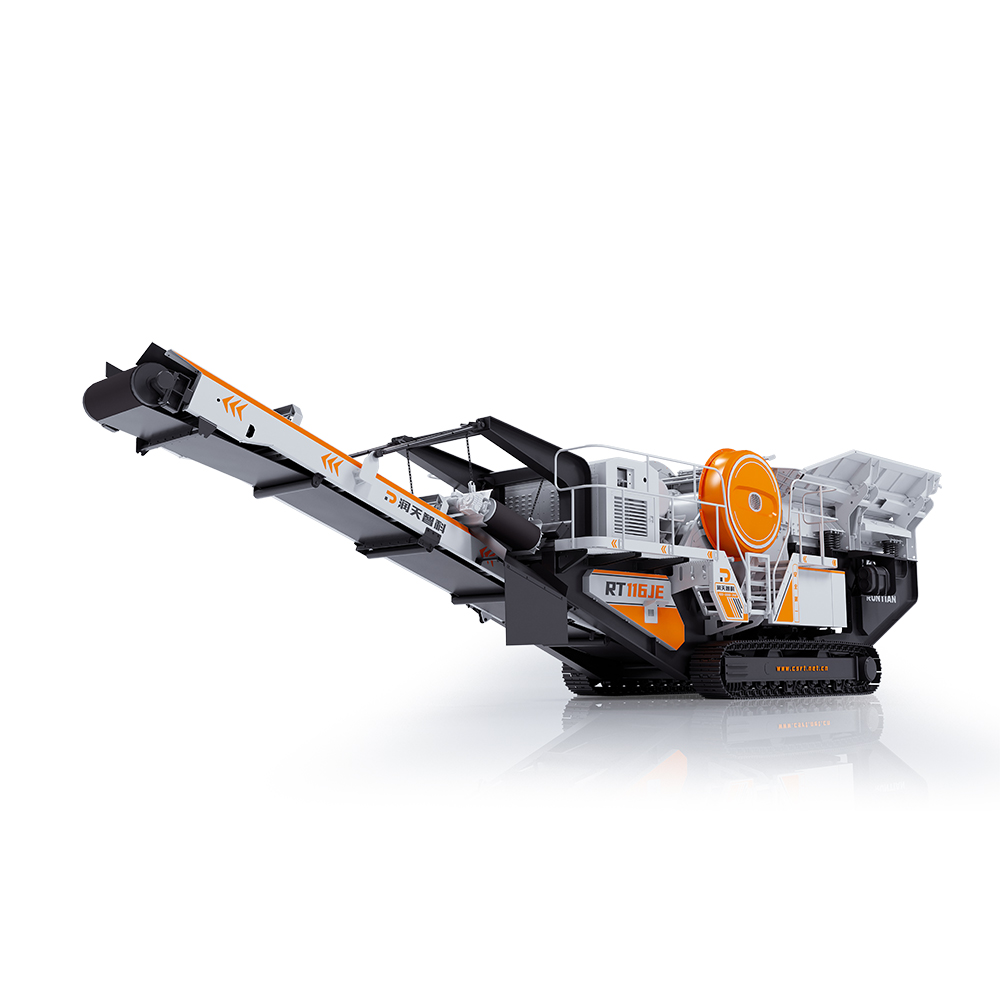
RT116JE Crawler Mobile Jaw Crushing Plant
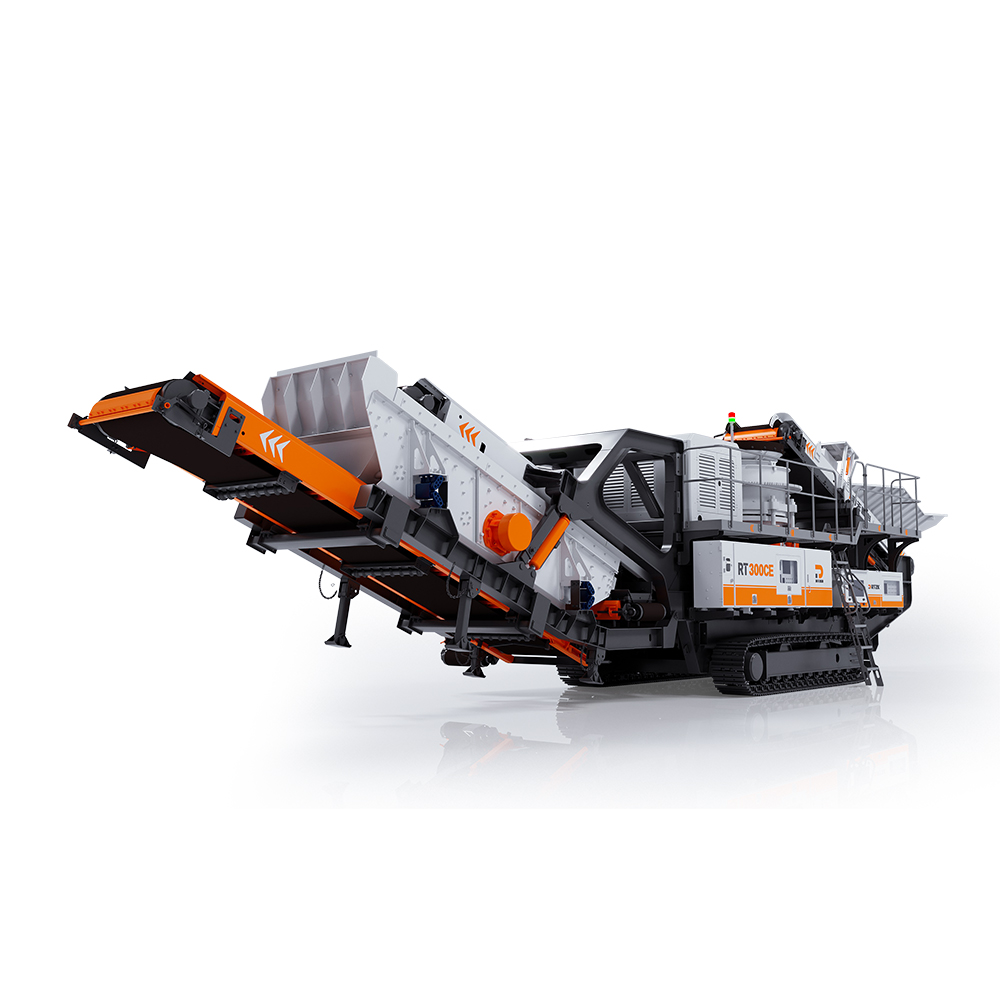
RT300CE Crawler Mobile Cone Crushing Plant
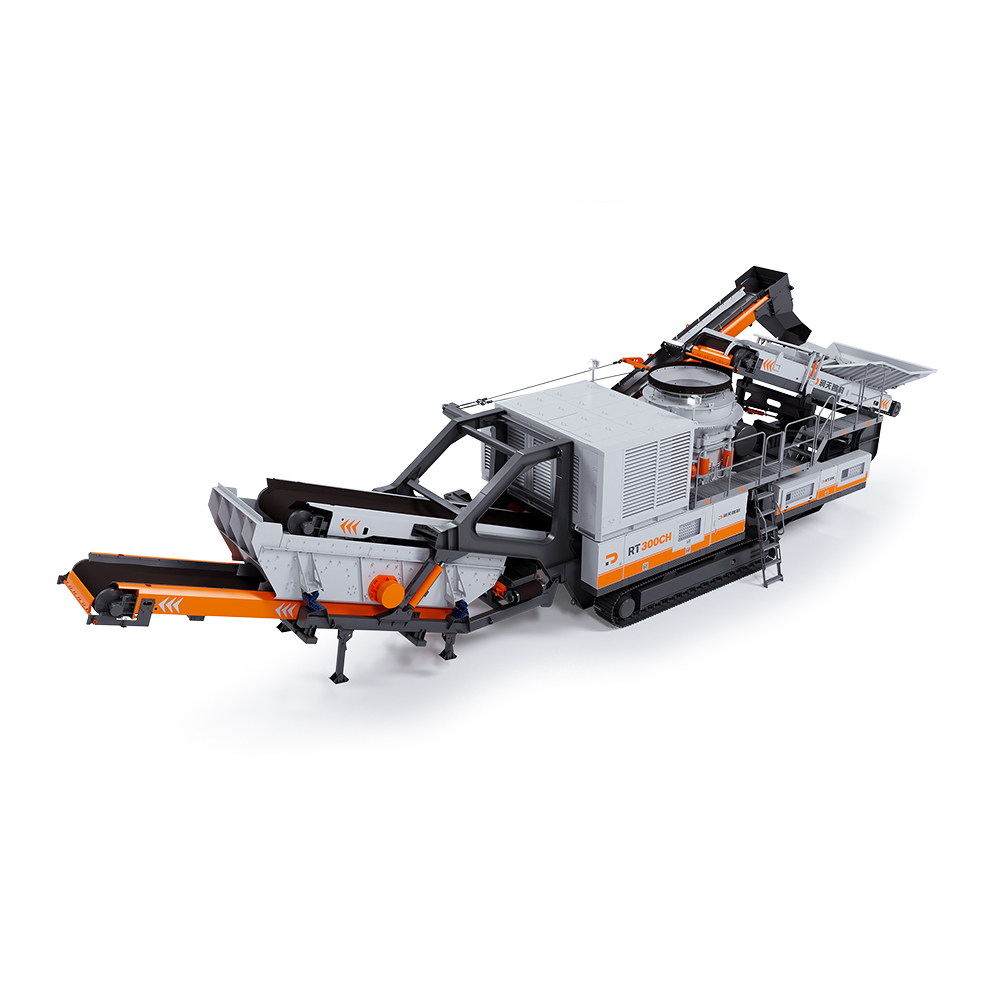
RT300CH Crawler Mobile Cone Crushing Plant
RT5015H Mobile Scalping Screen
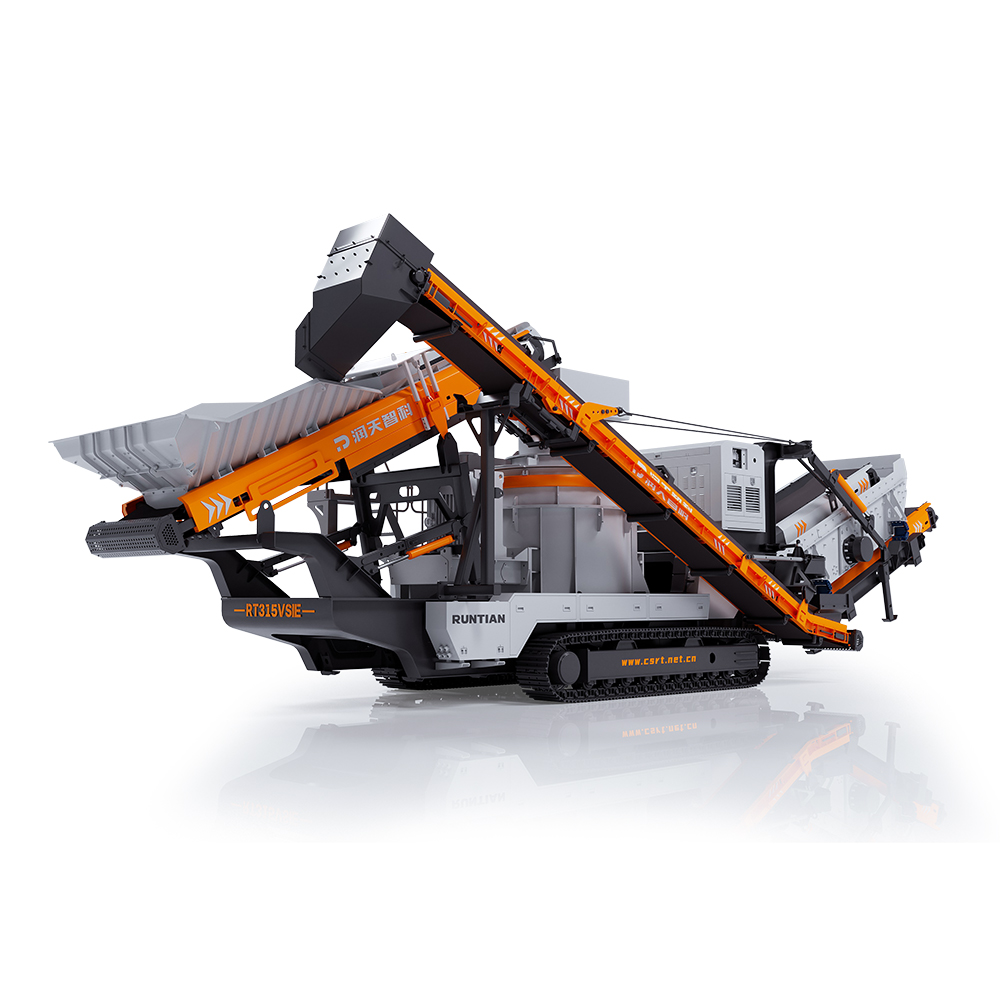
RT315VSIE Crawler Mobile Sand Maker
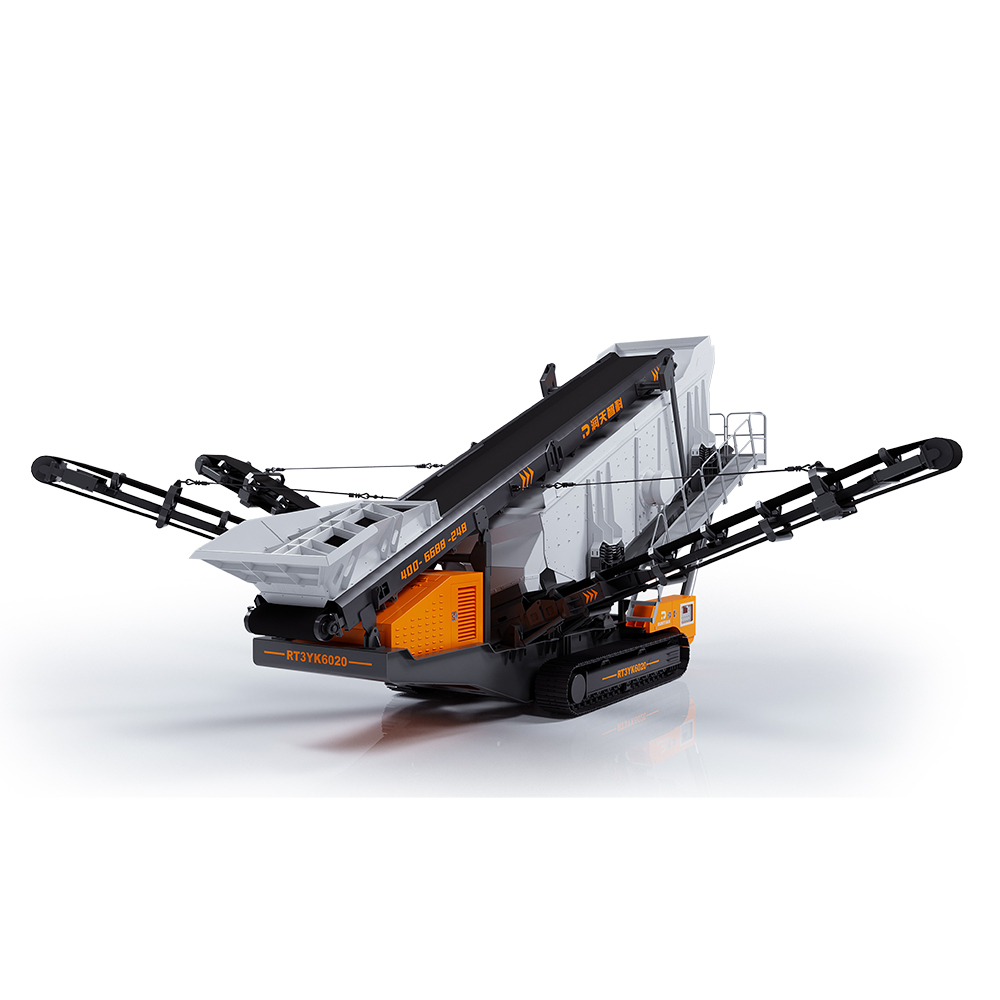
RT3YK6020 Crawler Mobile Screening Plant
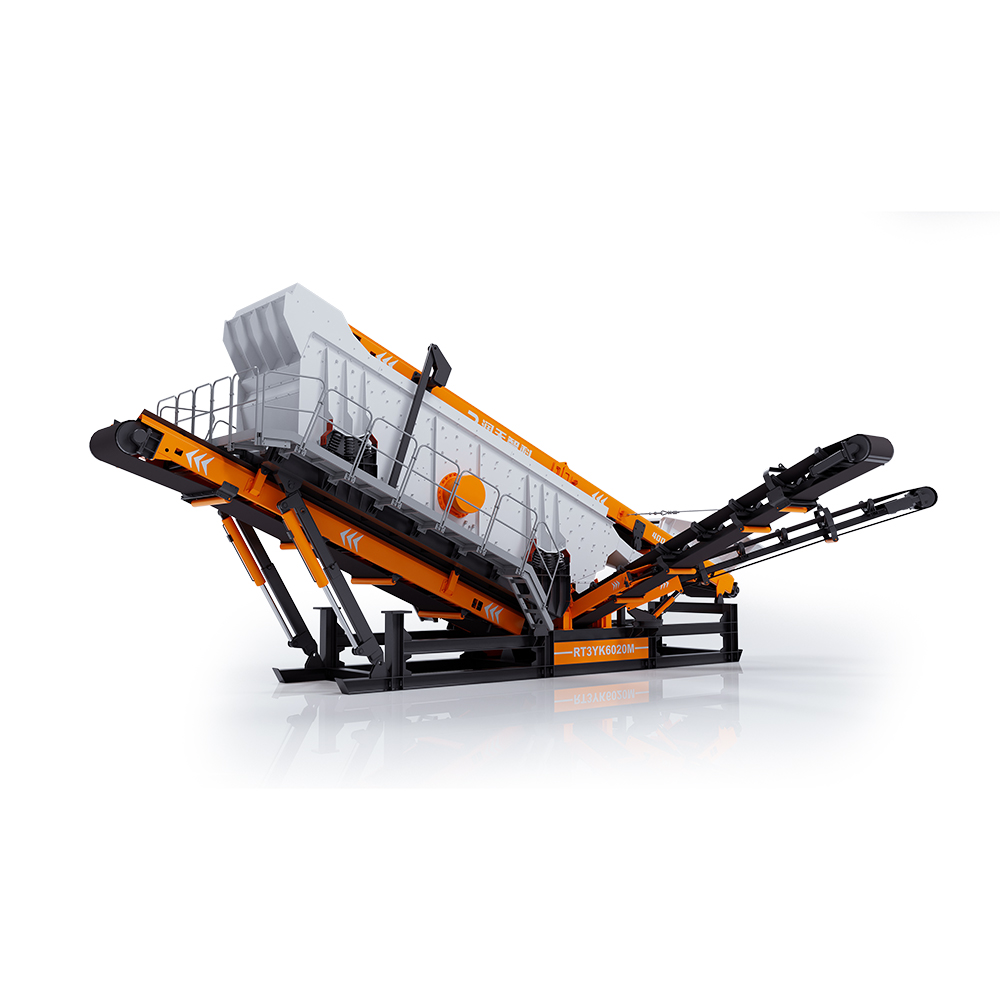
RT3YK6020M Modular Screening Plant
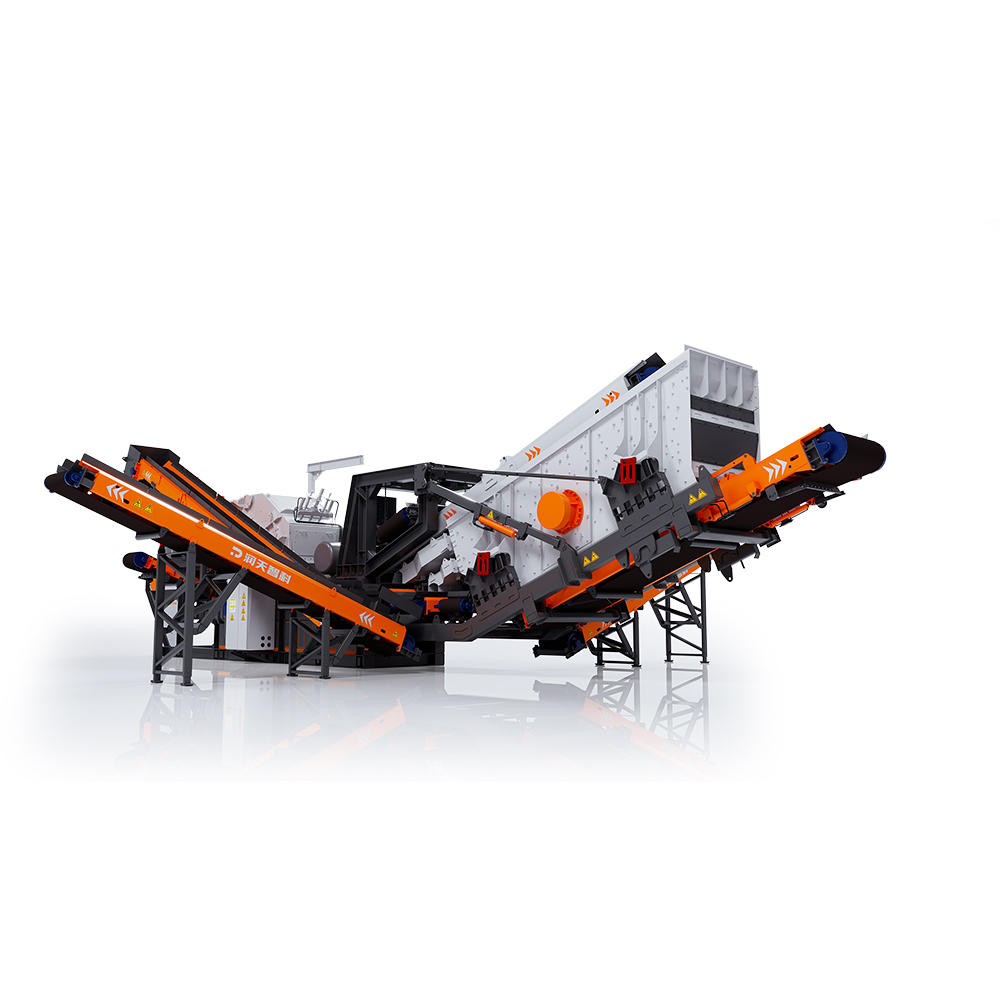
RTF260M Modular Counterattack Crushing and Screening Integrated Machine
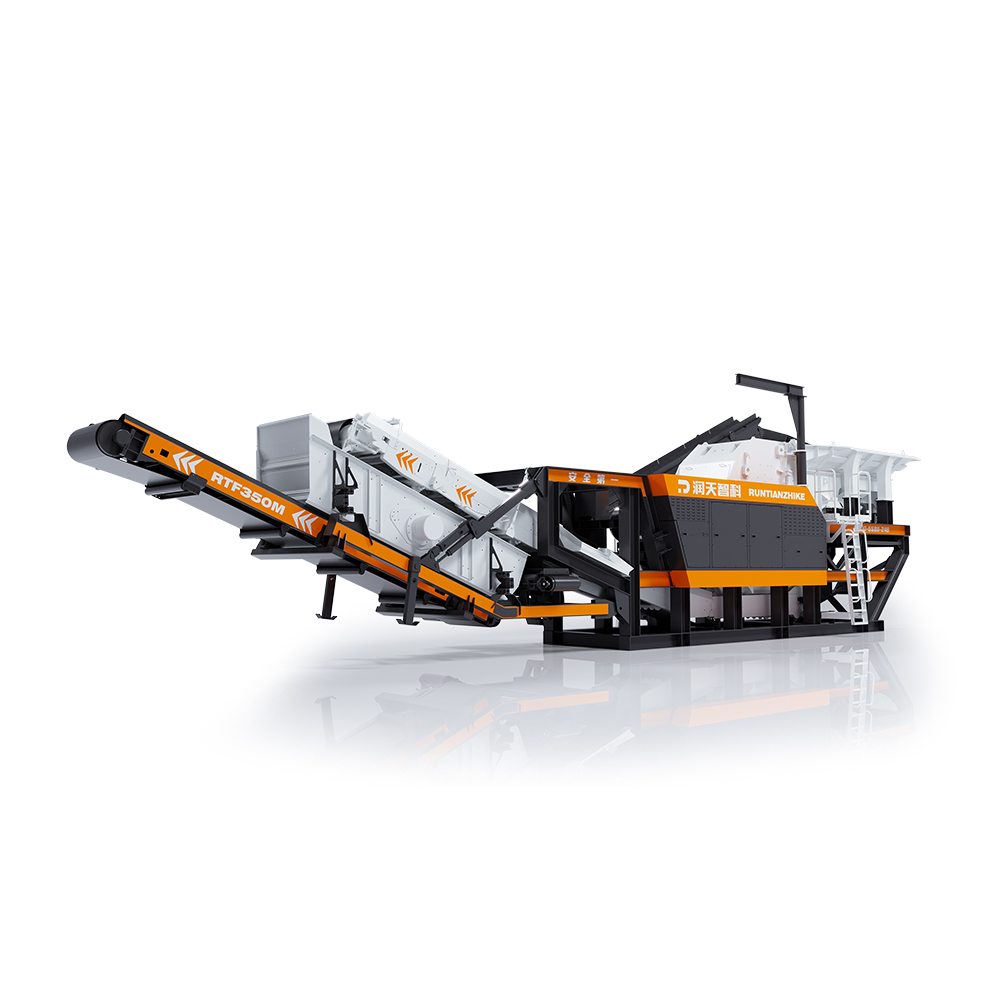
RTF350M Modular Impact Crushing Plant
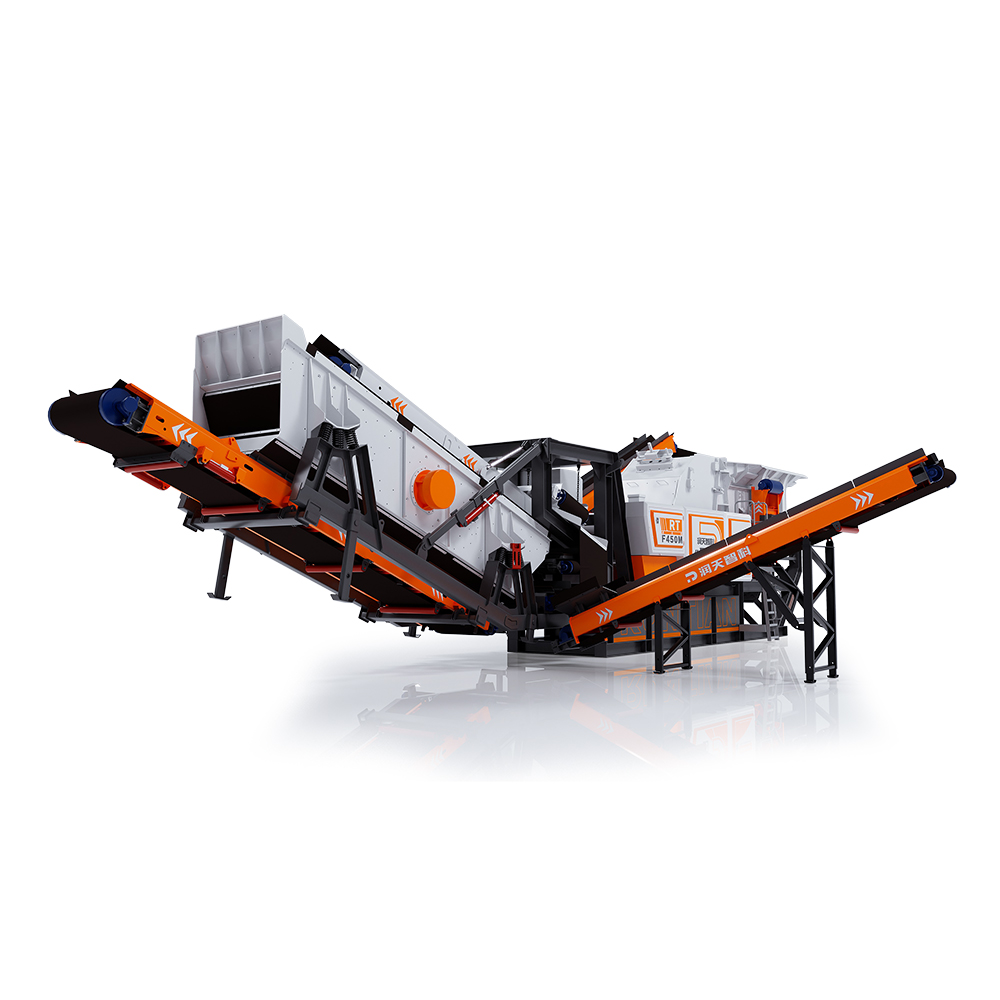
RTF450M Modular Impact Crushing Plant
Choosing the right Asphalt Mixing Plant can significantly impact your project's success. Industry expert John Smith emphasizes, “The right plant can enhance efficiency and quality.” His insights guide many in the field.
When selecting an Asphalt Mixing Plant, consider your project's specific needs. Understand the production capacity required and the mix types you'll use. The location can influence the types of plants available. Nearby suppliers may affect costs and availability.
Reflecting on past choices is essential. Some have invested in equipment that didn't meet production goals. Others have overlooked maintenance needs, leading to costly downtime. Each decision shapes outcomes. Evaluating these factors can lead to better choices in the future.
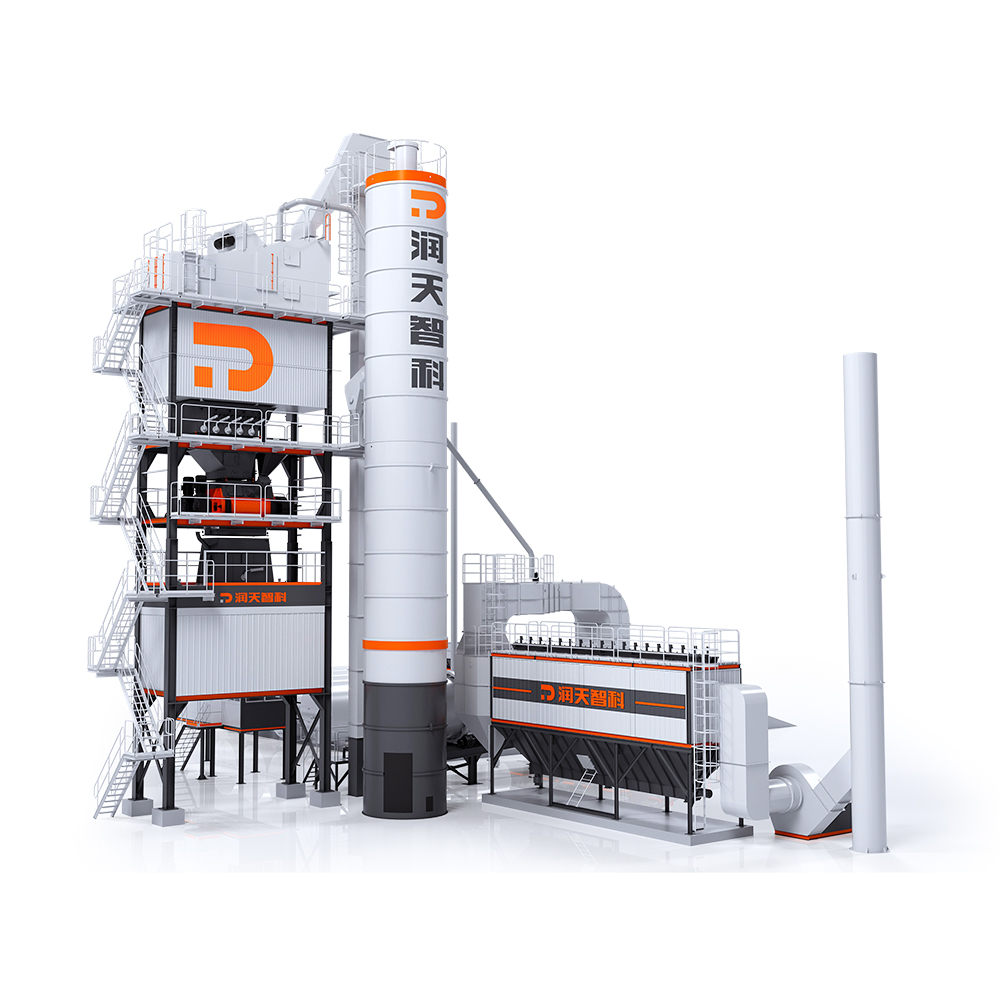
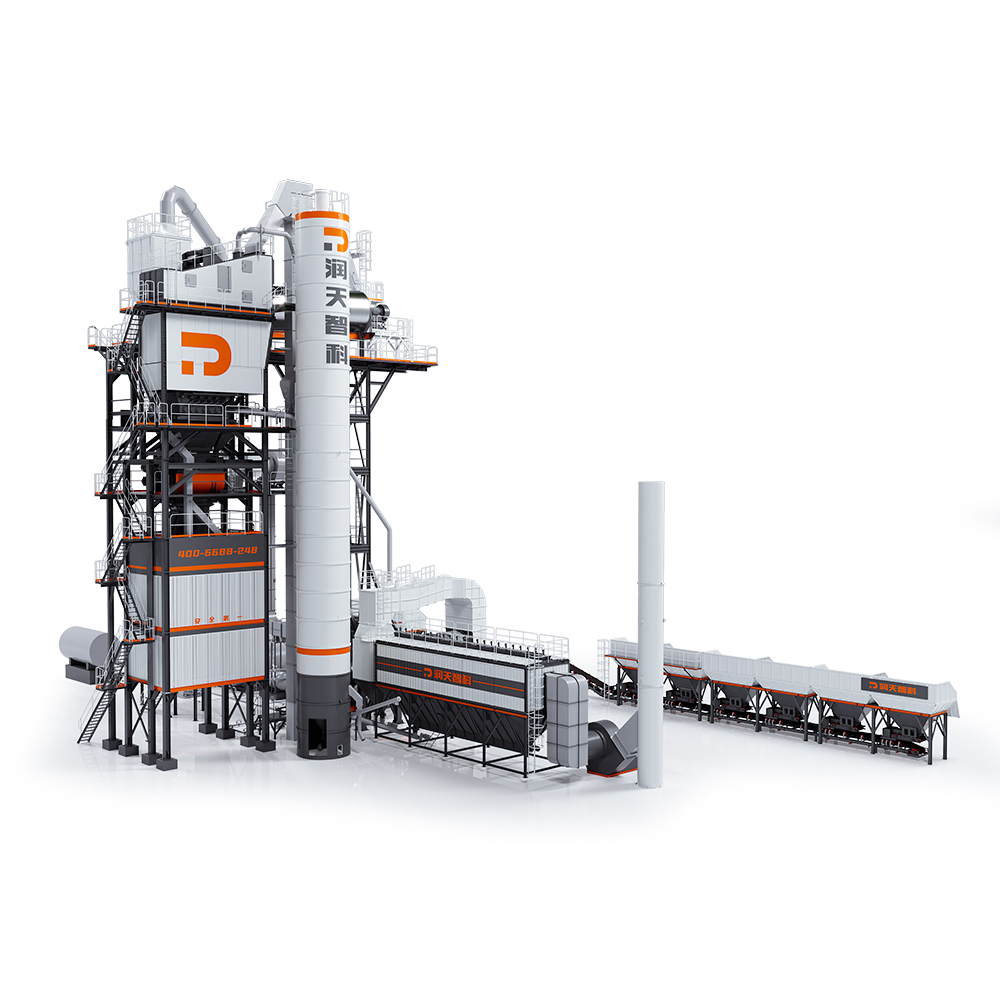
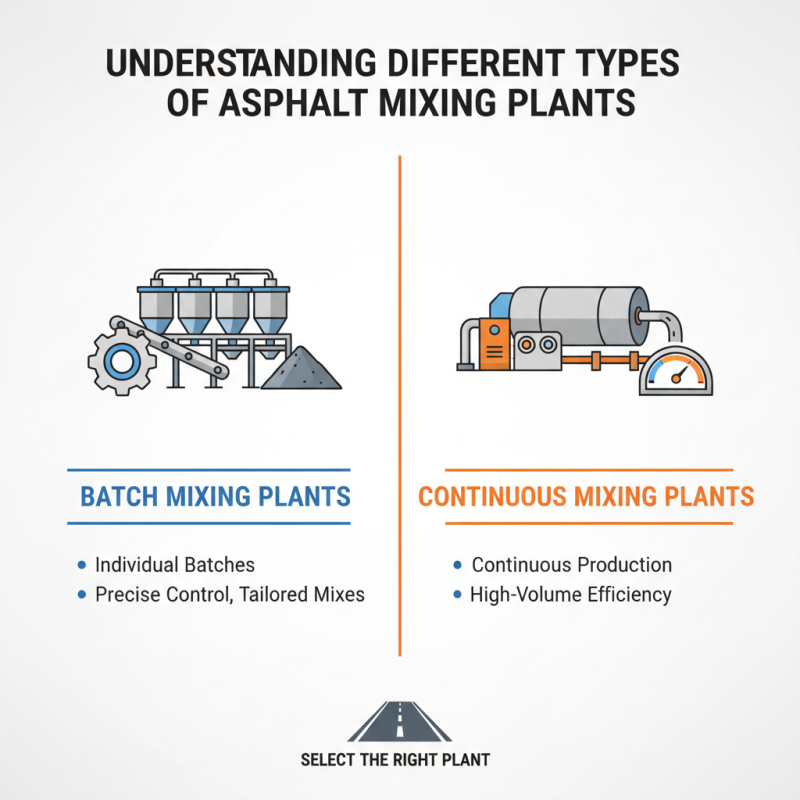
When selecting an asphalt mixing plant, understand the different types available. There are two main kinds: batch mixing plants and continuous mixing plants. Batch mixing plants produce asphalt in individual batches. This allows precise control over the mix. Each batch can be tailored to specific project requirements. Meanwhile, continuous mixing plants produce asphalt continuously. They are often preferred for high-volume projects due to their efficiency.
Tips: Consider the project size. For smaller jobs, a batch plant might suffice. For larger, ongoing projects, a continuous plant could save time. Also, evaluate the location. If space is limited, you might choose a mobile mixing plant that can be easily transported.
Not every plant will fit every need. Your project might face unique challenges. Evaluate the material supply chain as well. Some plants may require specific materials, which could complicate sourcing. It is crucial to analyze the actual working conditions. Reflect on the demand of the project and whether the plant can adapt. Keep in mind that flexibility can lead to better outcomes.
Choosing the right asphalt mixing plant is crucial for project success. Key factors include capacity, technology, and cost. Capacity must align with project size. A plant that is too small can delay construction. Conversely, an oversized plant may lead to wastage and increased costs.
Technology advancements have significantly impacted asphalt mixing. Studies show that modern plants offer improved energy efficiency. For instance, plants using warm-mix technology can reduce emissions by up to 30%. This is essential for meeting environmental regulations. However, some contractors choose older models due to lower upfront costs. This decision may result in higher long-term expenses.
Maintenance is another crucial aspect. Regular checks can prevent unexpected shutdowns. A survey revealed that nearly 27% of plants suffer downtime due to poor maintenance. This reflects the importance of investing in training for operators. Sometimes, the initial savings can lead to costly repairs later. Thoughtful planning is vital for sustainability in asphalt production. Each decision shapes the project's overall success.
| Factor | Details | Importance Level |
|---|---|---|
| Production Capacity | Determine the required output to match project demands. | High |
| Mixing Technology | Evaluate whether the technology meets your quality standards. | High |
| Energy Efficiency | Consider the fuel consumption and operational cost. | Medium |
| Portability | Assess if the plant can be easily moved to different job sites. | Medium |
| User-friendliness | Look for intuitive controls and ease of operation. | Medium |
| Maintenance Requirements | Consider the ease and cost of regular maintenance. | High |
| Budget | Ensure the selected plant fits within your financial constraints. | High |
When selecting an asphalt mixing plant, evaluating production capacity is crucial. A plant's capacity dictates how much asphalt it can produce within a given timeframe. For large projects, high-capacity plants are typically necessary. Smaller jobs may require less output. Understanding your project's scale will aid in this decision.
Efficiency is another vital factor. An efficient mixing plant minimizes energy consumption and waste. This can reduce operational costs. However, efficiency varies among different models. Some plants might promise high output but lack energy efficiency. Striking a balance between capacity and efficiency is essential for long-term project success.
Consider project timelines too. Delays can happen. If a plant cannot keep up with demand, it could stall your project. Evaluating these aspects allows for informed decisions. Look into not just output but also how sustainable the operation is. Aligning production needs with environmental considerations showcases a responsible approach.
This bar chart illustrates the production capacity (in tons per hour) and efficiency (% of maximum output) of different types of asphalt mixing plants, helping you choose the best option for your project based on your specific needs.
When selecting an asphalt mixing plant, assessing the quality of its components is crucial. Look closely at the mixer quality. A well-built mixer ensures even mixing of asphalt, enhancing the final product's durability. Check the materials used in construction. High-quality steel and wear-resistant parts can prolong the lifespan of the machine.
Compatibility plays a crucial role in your project's success. Ensure the plant's components are compatible with each other. Mismatched components can lead to inefficiencies in production. A good example is the burner and the mixing drum; they must work together effectively to optimize heat transfer. Some plants may come with components that look great but fail to perform well together.
Evaluate the control system as well. A user-friendly interface can make a significant difference. A complicated system can lead to confusion or mistakes during operation. Consider ease of maintenance as well. If parts are hard to access, it can become a hindrance down the line. Keep these factors in mind as you explore your options.
When selecting an asphalt mixing plant, budget constraints play a crucial role. Set a clear budget that covers both initial purchase costs and potential hidden expenses. These can include transportation, installation, and initial materials. It's easy to overlook these additional costs. This can lead to overspending and project delays.
Long-term operating costs are essential for the plant's viability. Fuel efficiency, maintenance needs, and operational personnel should all be considered. Plants that require frequent repairs can quickly strain your budget. Therefore, investing in quality machinery now could save money in the long run. What seems cheap upfront may turn out to be costly later.
It's also worthwhile to consider the environmental impact. A more efficient plant may reduce emissions and save on fines. Efficiency can become part of a reputation that attracts more business. While initial costs might seem daunting, it's important to reflect on the sustainability of your choices. Analyzing both budget and long-term prospects will lead to better decision-making.