Why Choose the Right Construction Cement Mixer for Your Project?
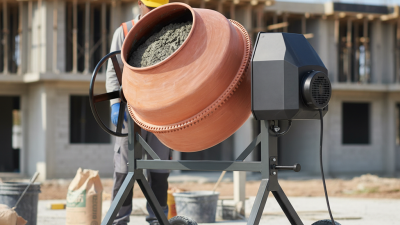
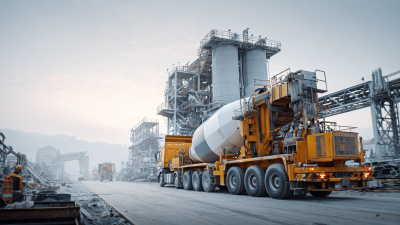
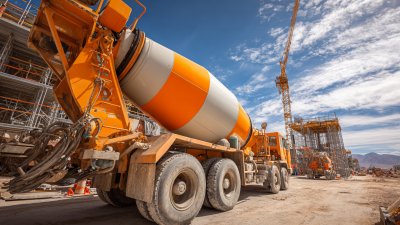
Selecting the right construction cement mixer is crucial for any project. The choice of mixer can significantly impact efficiency and quality. A construction cement mixer is not just a tool; it’s an investment in your project’s success.
Consider the size and type of project you are undertaking. A small-scale job might benefit from a portable mixer. On the other hand, larger projects may require heavy-duty options. Choosing incorrectly could lead to frustration and delays. Every construction site has different needs. Reflect on what mixer fits those needs best.
Pay attention to the specifications. It's easy to overlook details like mixing capacity and power source. A mismatch can hinder productivity. Think about the long-term usage too. If your projects vary, versatility in a construction cement mixer becomes essential. Make your choice wisely to avoid future inconveniences. Remember, the right mixer can be more than just efficient; it can enhance the overall quality of your work.
Understanding Different Types of Construction Cement Mixers
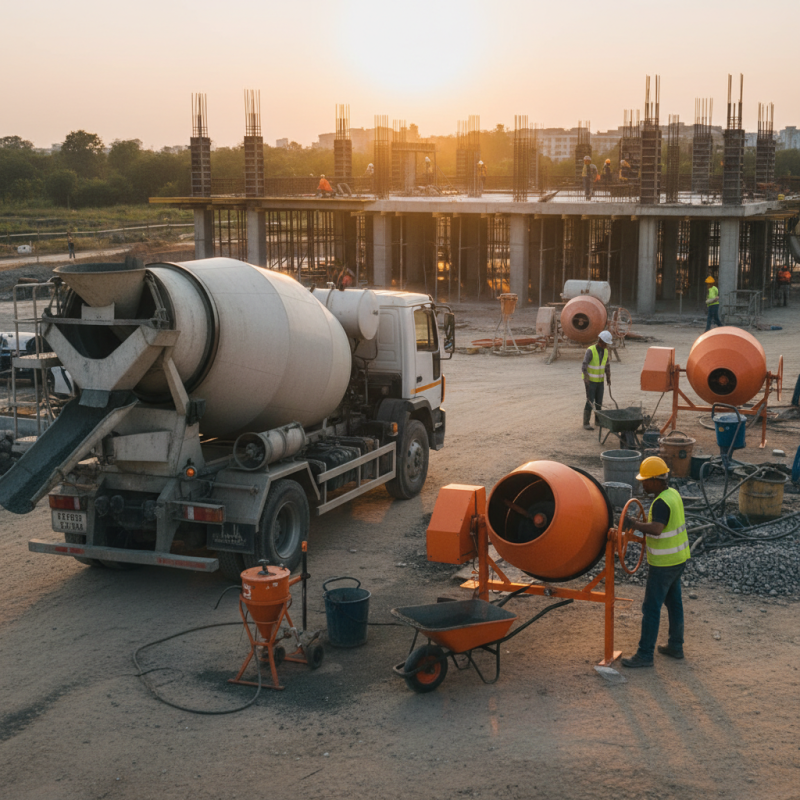
When choosing a cement mixer, it's essential to understand the different types available. There are two main categories: batch mixers and continuous mixers. Batch mixers are perfect for smaller projects. They mix a specific quantity before unloading. This process is ideal for tasks like home renovations or small-scale builds.
Continuous mixers, on the other hand, work differently. They blend materials as they flow through the system. This design suits larger projects that require constant mixing. High-volume construction sites benefit from this efficiency. It’s critical to assess project size when selecting a mixer type.
Maintenance is another aspect worth considering. Batch mixers often require more frequent cleaning. This can lead to downtime. Continuous mixers may have a more complex setup, but they often need less hands-on maintenance. Understanding these differences helps in choosing the right tool for unique needs. Make sure to evaluate the requirements of your specific project thoroughly.
Why Choose the Right Construction Cement Mixer for Your Project?
This chart illustrates the different types of construction cement mixers along with their popularity based on general industry usage. The data highlights three main types of mixers: Portable Mixers, Stationary Mixers, and Truck Mixers.
Key Factors to Consider When Choosing a Cement Mixer
When choosing a construction cement mixer, several factors come into play. The project scale is crucial.
Large projects typically demand bigger mixers. A compact mixer works for smaller tasks.
It’s about matching the right size with your needs. Don’t overlook power requirements.
Electric mixers offer convenience, while gas-powered ones provide portability.
Consider the material quality as well. A well-built mixer lasts longer and performs better.
Look for features like ease of cleaning and assembly. A cumbersome mixer can lead to frustration on site.
Weight is another aspect; a heavy mixer might be stable but hard to transport.
Evaluate your budget carefully. An expensive mixer may not always guarantee quality.
Sometimes, a lower-cost option performs just as well. Understand the limitations of each mixer you’re considering.
Failing to choose wisely can result in delays and extra costs.
Take your time to research and reflect on what truly meets your project’s needs.
Assessing Project Size and Cement Mixer Compatibility
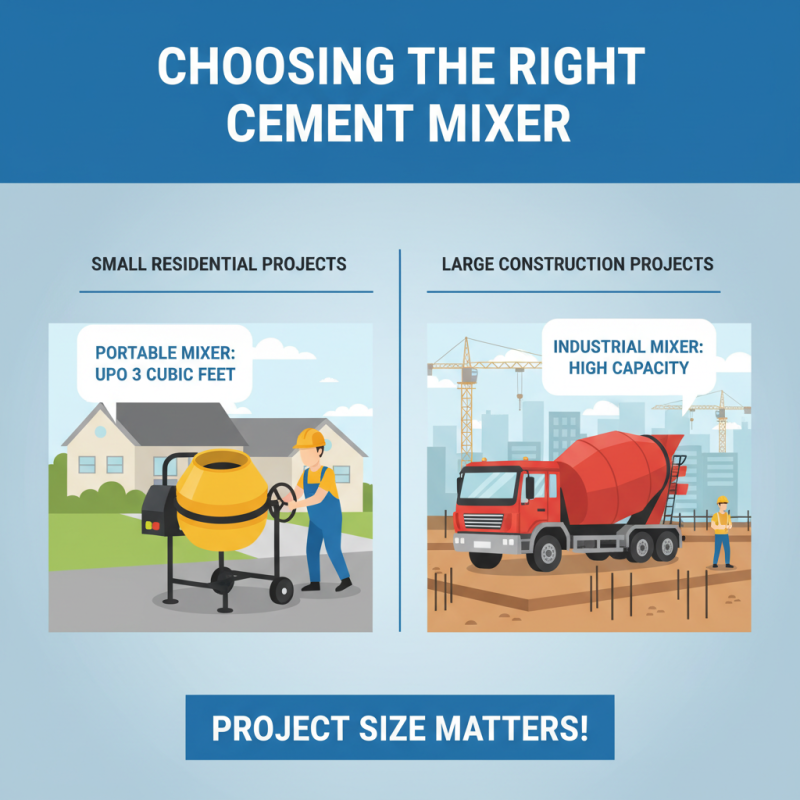
Choosing the right cement mixer is crucial for any construction project. Project size plays a significant role. For small residential jobs, a portable mixer may suffice. It typically handles batches up to 3 cubic feet. These mixers are easier to transport and maneuver. However, larger projects demand more robust equipment.
For commercial construction, a heavy-duty mixer is often required. These machines can mix up to 12 cubic feet of cement. According to industry reports, using the right size mixer can increase efficiency by 20%. This means less wasted material and time. It's essential to consider not only the volume but also the type of surfaces being worked on. For instance, mixing for foundations might require specific settings that smaller mixers can't provide.
Size is just one aspect. Compatibility with other tools and equipment is equally important. A mismatched mixer can lead to delays and frustration. Many contractors fail to assess this compatibility. They underestimate how crucial it is. A proper evaluation can save both time and money in the long run. It’s about getting the job done right, not just fast.
Evaluating Mixer Features for Enhanced Performance
Choosing the right construction cement mixer isn’t just about the brand. It’s about functionality, efficiency, and suitability for your specific project needs. Evaluating mixer features is crucial for enhanced performance. Different projects require different mixer types. Portable mixers are great for small jobs, while larger projects may need bigger drum capacities.
Tips: Always consider the mixer’s weight. A heavier machine can be more stable, but it might be harder to move.
The mixing speed matters, too. A higher RPM can mix faster but may lead to uneven consistency if not managed well. Look for a mixer that offers variable speeds to adapt to your needs. Many mixers come with added features like tilting drums. These can ease the process but may require a learning curve.
Tips: Ensure to test the mixer before your project starts. A minor adjustment can make all the difference.
In the end, a mixer’s utility lies not in its specifications alone, but in how well it fits your unique requirements.Trial and error might be part of the journey. Understanding your project better helps in making a more informed decision.
Why Choose the Right Construction Cement Mixer for Your Project?
| Feature |
Importance |
Recommendations |
| Mixing Capacity |
Determines the volume of concrete mixed per batch |
Choose based on project size; larger capacity for bigger projects |
| Drum Type |
Affects mixing efficiency and quality |
Consider tilt-type or standard drum options |
| Power Source |
Impacts portability and operational efficiency |
Electric for convenience; gas for outdoor projects |
| Portability |
Ease of transportation between job sites |
Look for compact and lightweight designs |
| Build Quality |
Ensures durability and longevity of the mixer |
Select models with solid construction materials |
Budget Considerations for Quality Cement Mixers
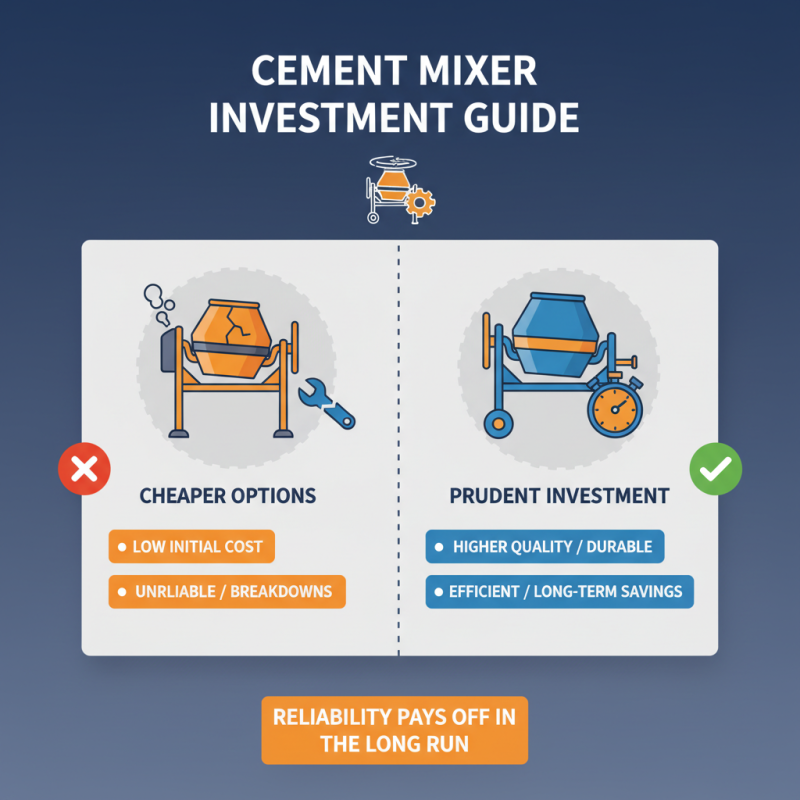
When budgeting for a cement mixer, consider its key features. A good mixer should provide reliability and efficiency. Cheaper options may seem appealing, but they often sacrifice quality. These mixers can break down unexpectedly, leading to delays. A prudent investment usually pays off in the long run.
Quality mixers have better durability. They can handle various materials and demanding tasks. Spending a little more now may save repair costs later. Think about how often you'll use the mixer. Renting might be a viable option for occasional projects. However, frequent users need durable equipment.
You might face dilemmas. A tight budget can limit choices. Sometimes, the cheapest option leads to frustration. Evaluate your needs carefully. Look for a balance between cost and quality. This decision impacts the entire project outcome. Think twice before making your final choice.

 Concrete Mixing Plant
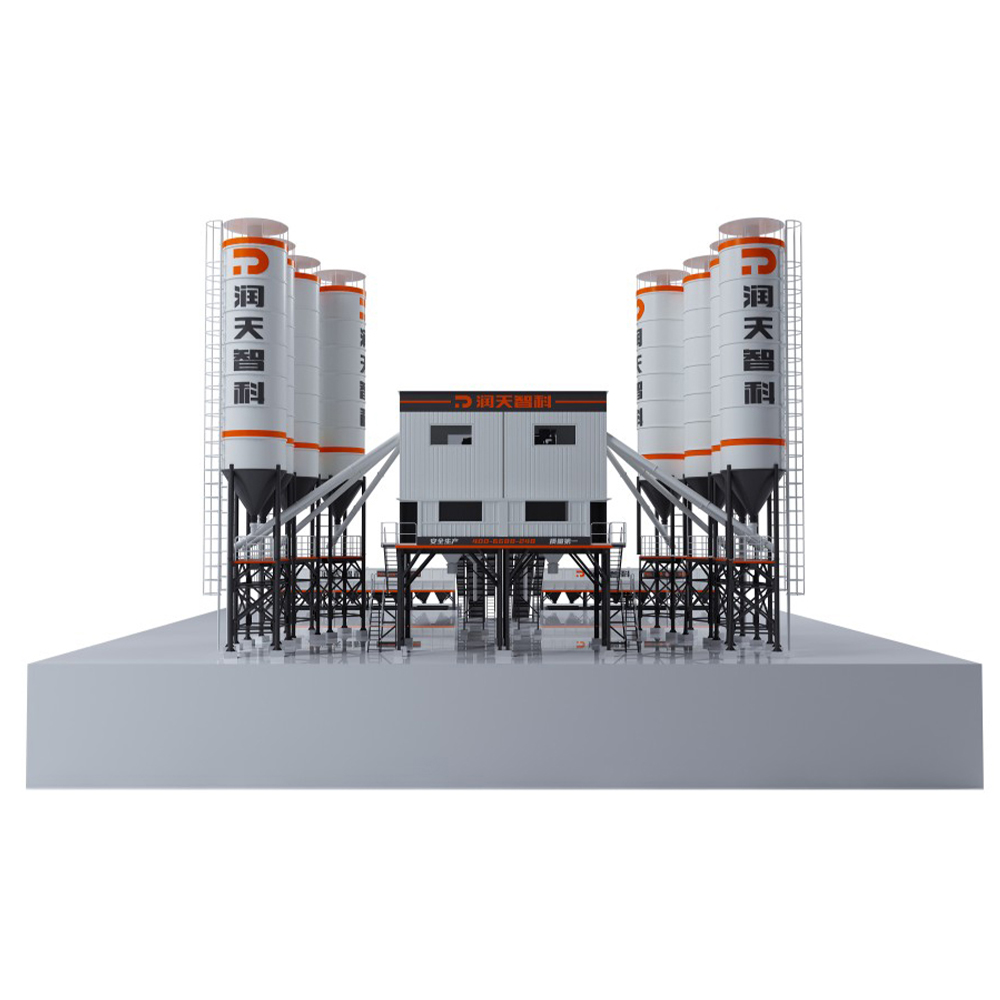 HZS Series Belt Concrete Mixing Plant
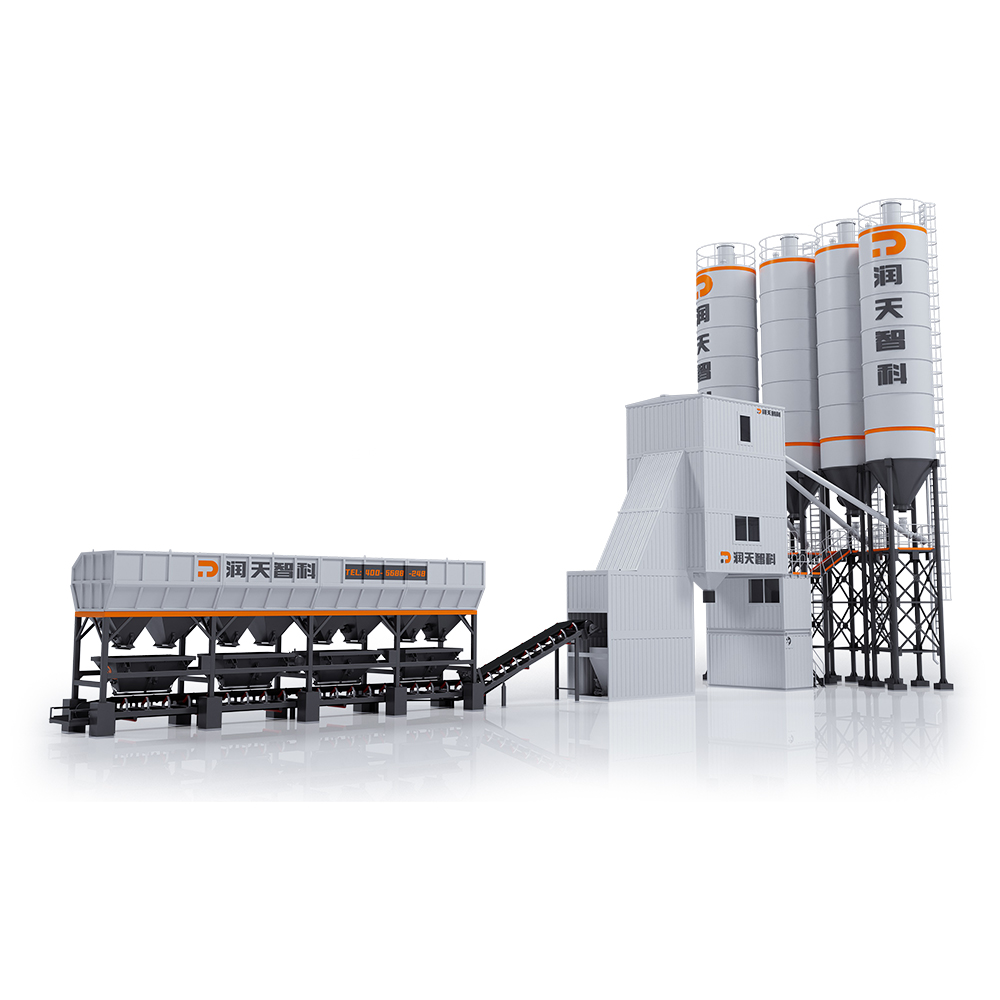 HZS Series Bucket-Lifting Type Container Concrete Mixing Plant
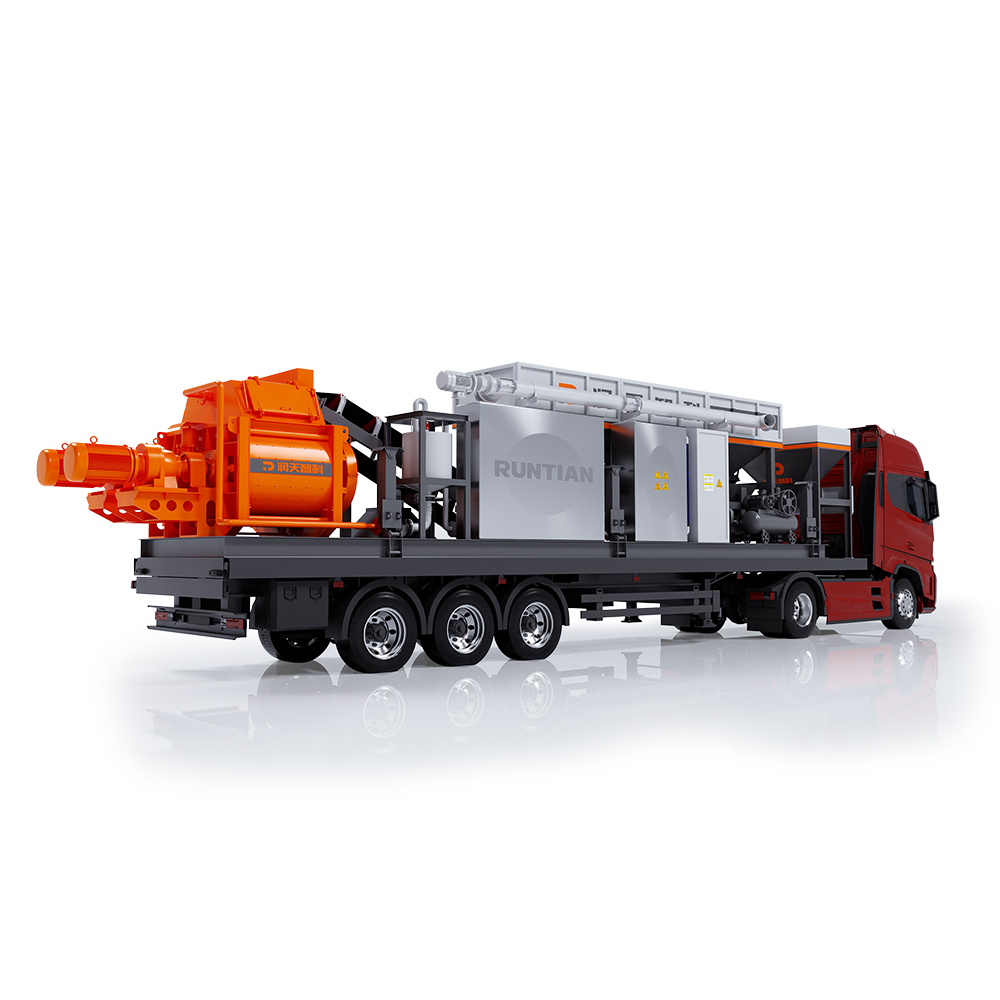 HZS60 Mobile Concrete Mixing Plant
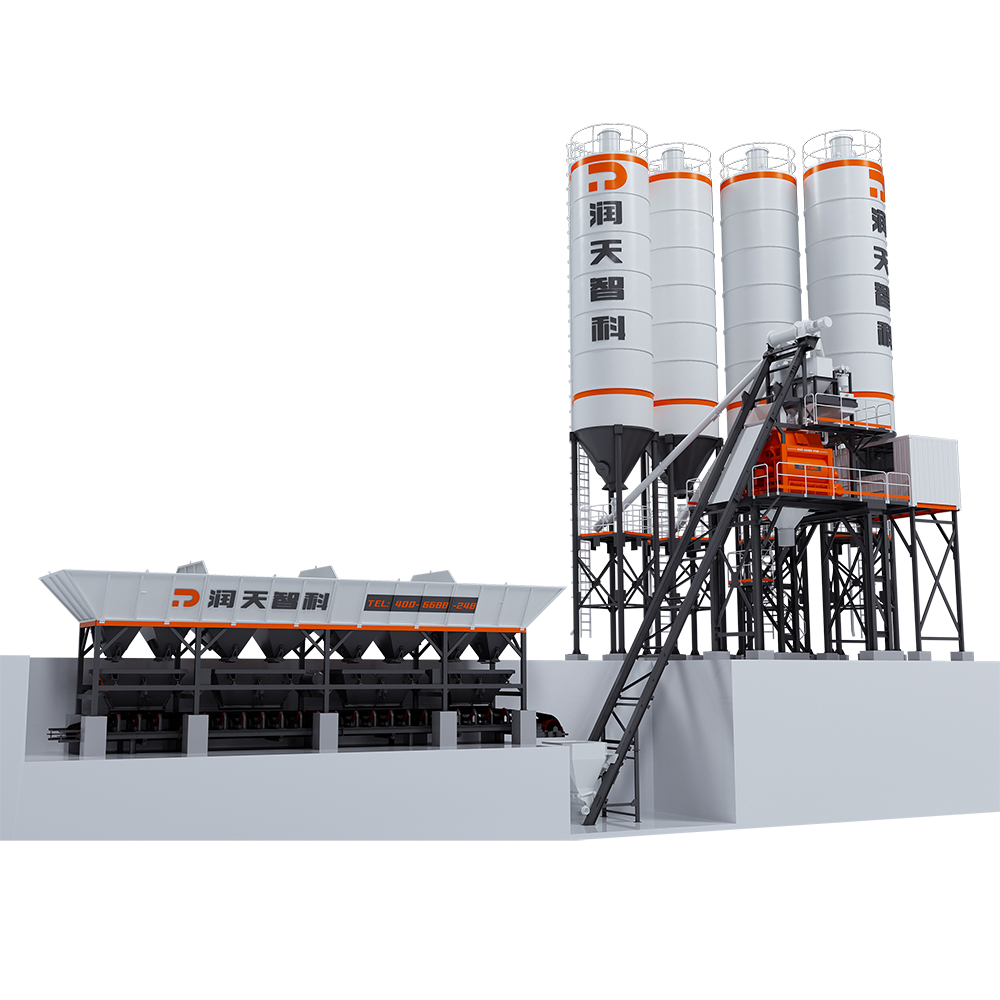 HZS Series Bucket-Lifting Type Concrete Mixing Plant
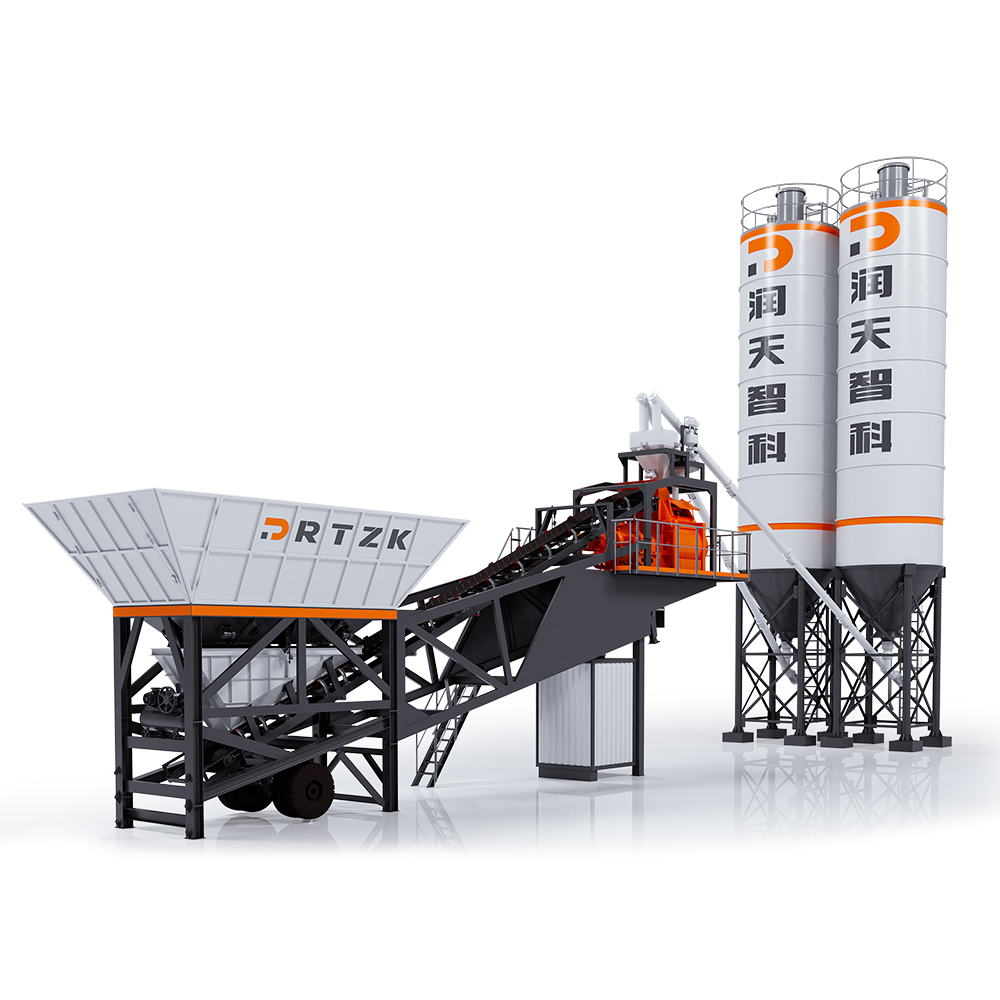 HZS Series Mobile Concrete Mixing Plant
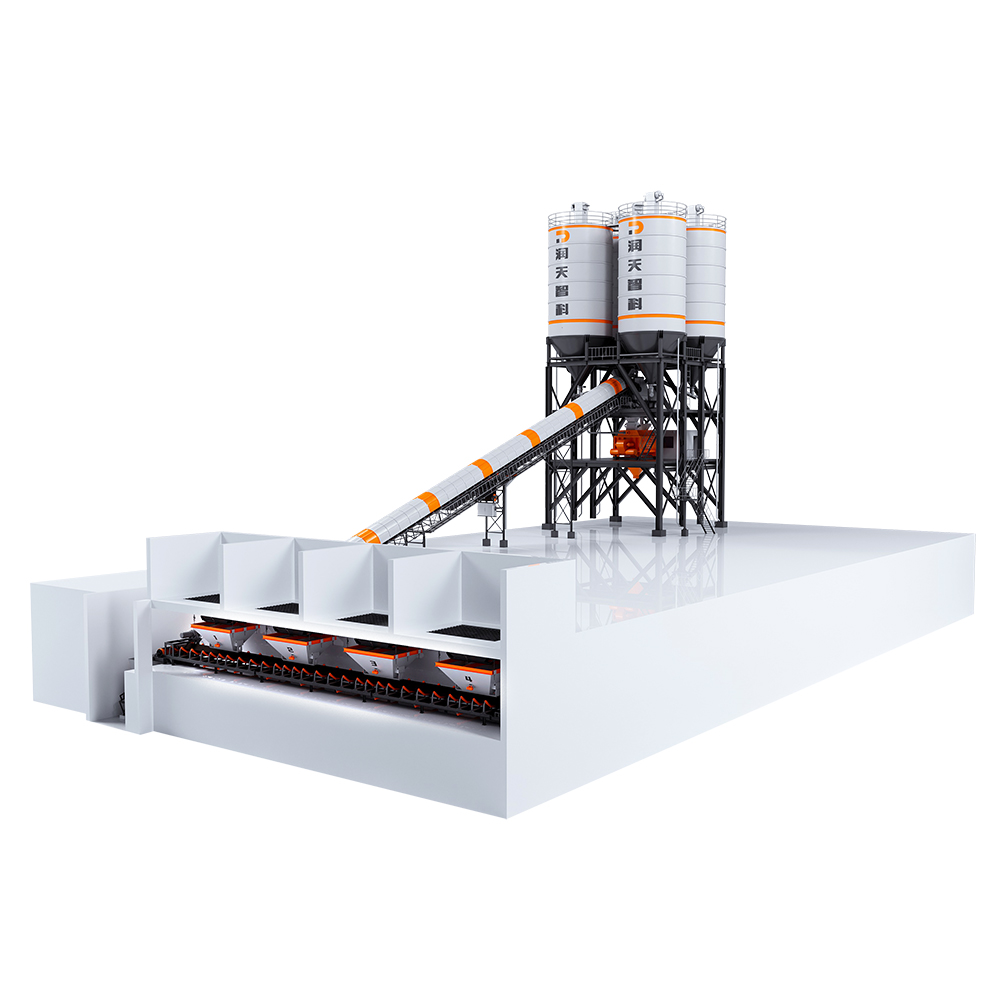 HZS Series Top-Mounted Concrete Mixing plant
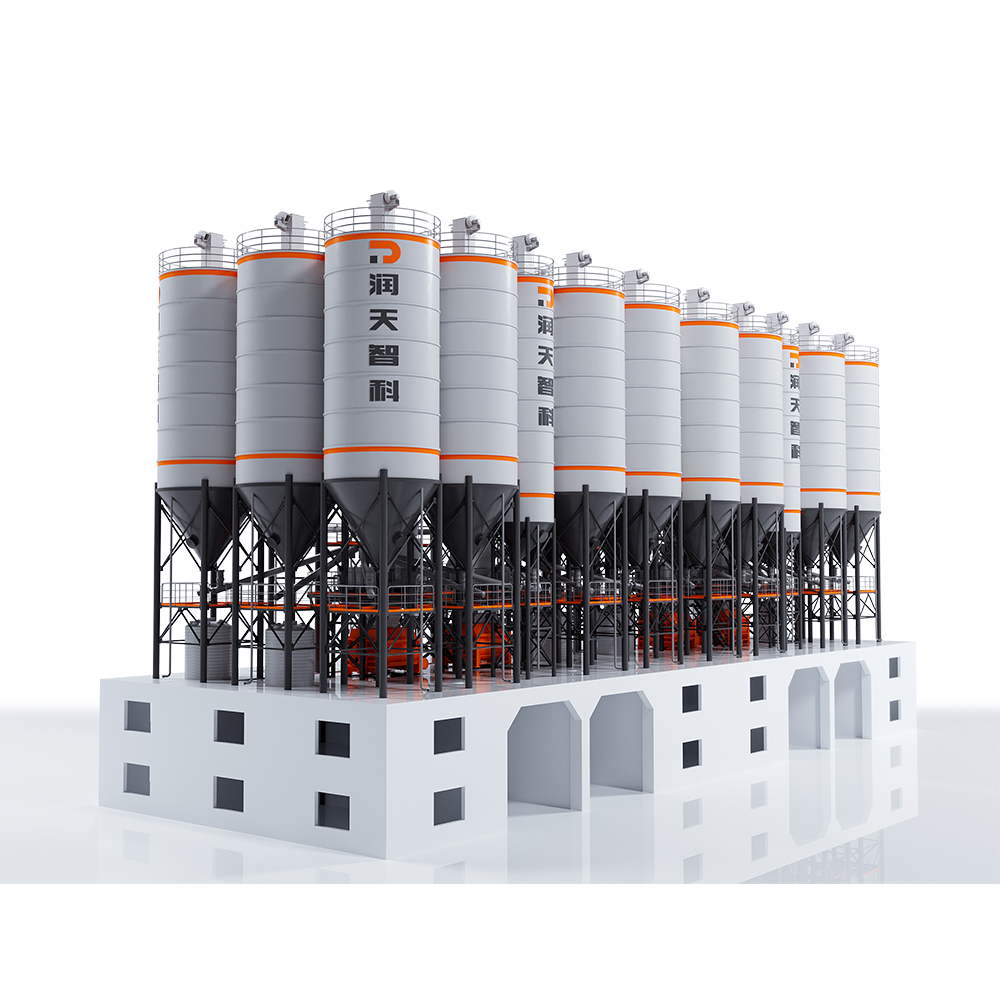 HZS Series Semi-Top Mounted Concrete Mixing Plant
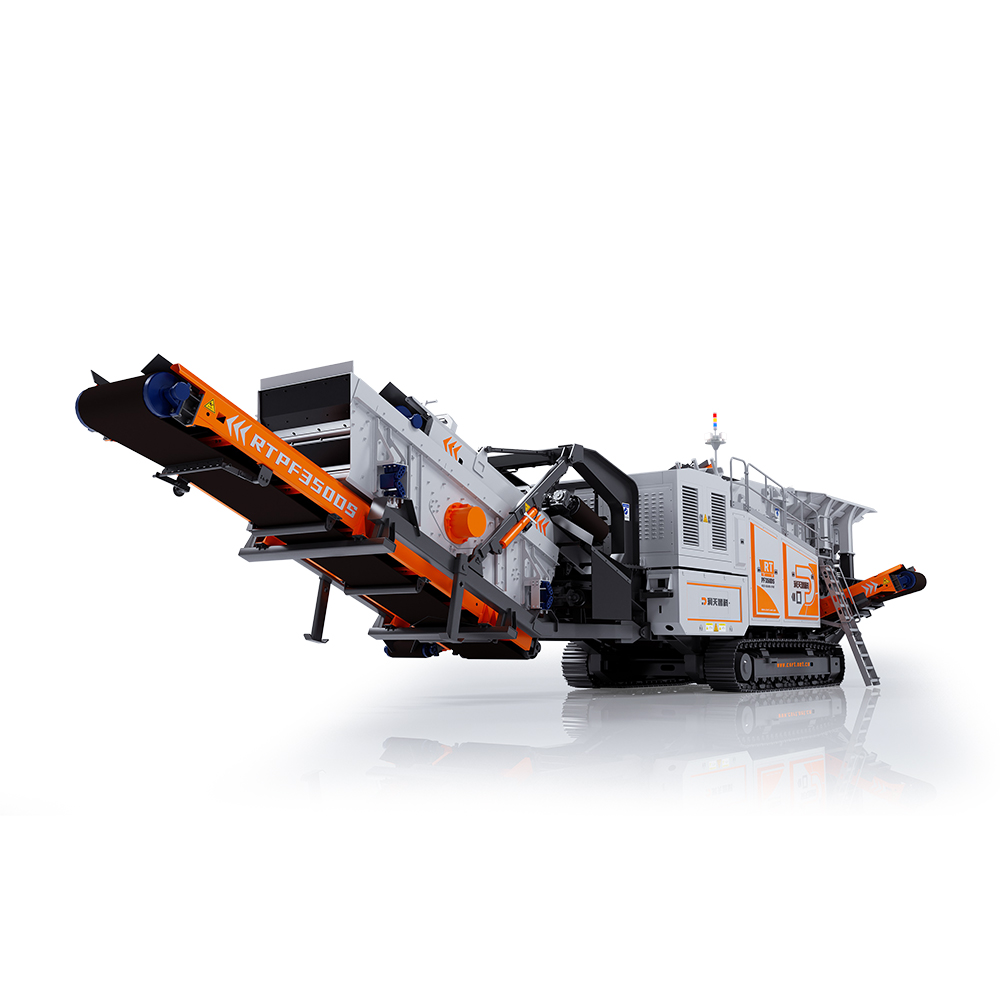 RTPF350DS Crawler Mobile Impact Crushing Plant
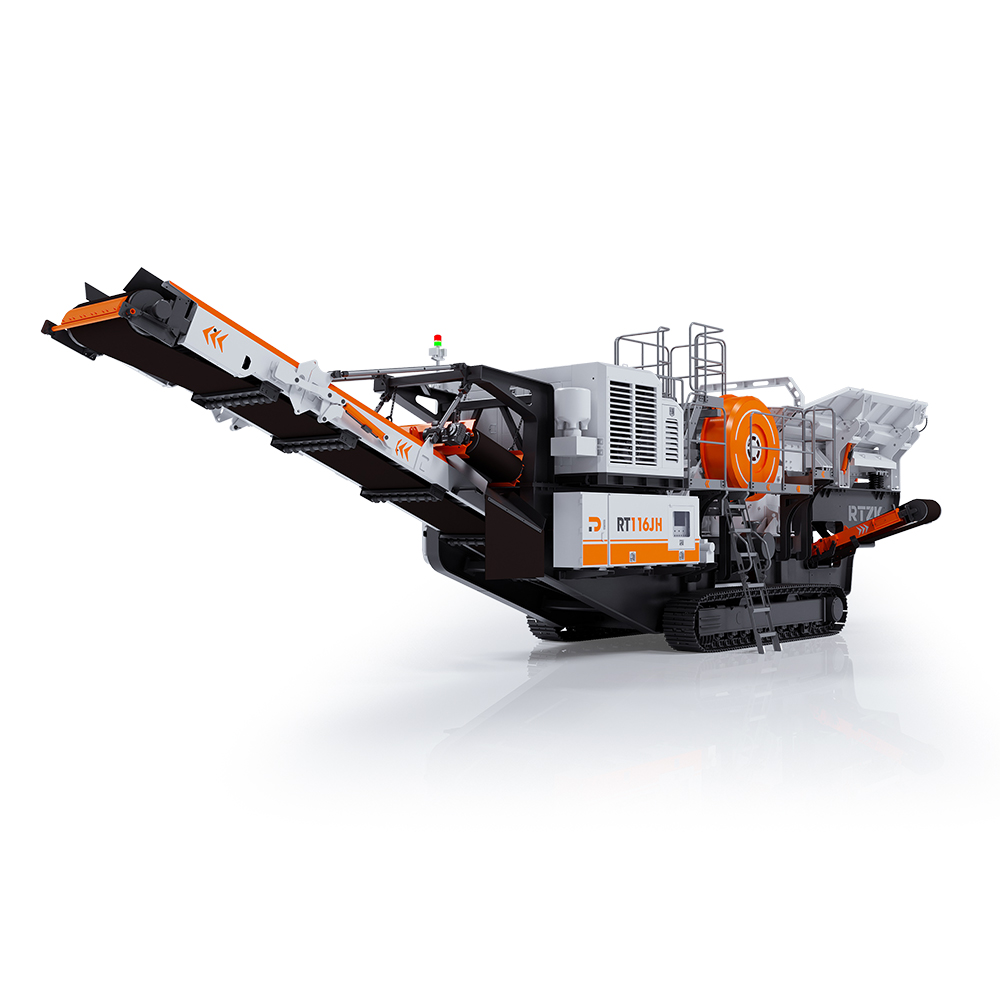 RT116JH Crawler Mobile Jaw Crushing Plant
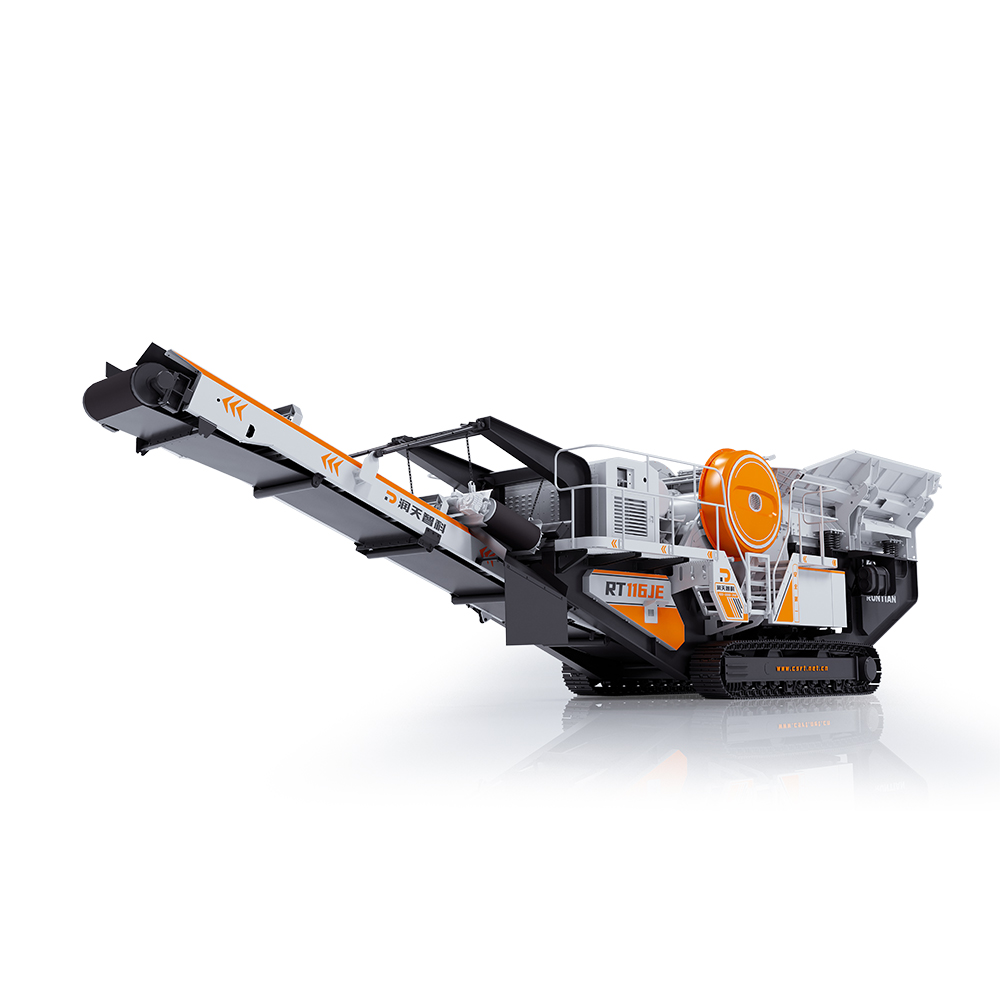 RT116JE Crawler Mobile Jaw Crushing Plant
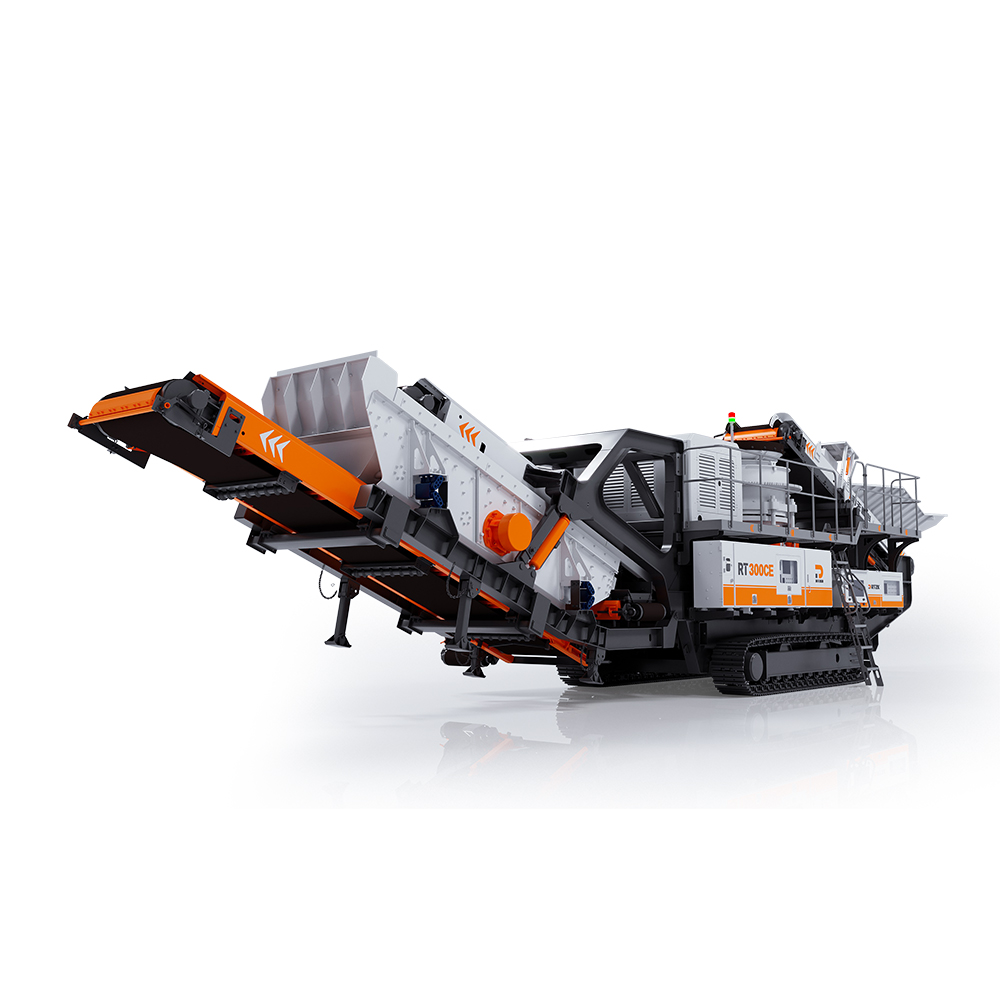 RT300CE Crawler Mobile Cone Crushing Plant
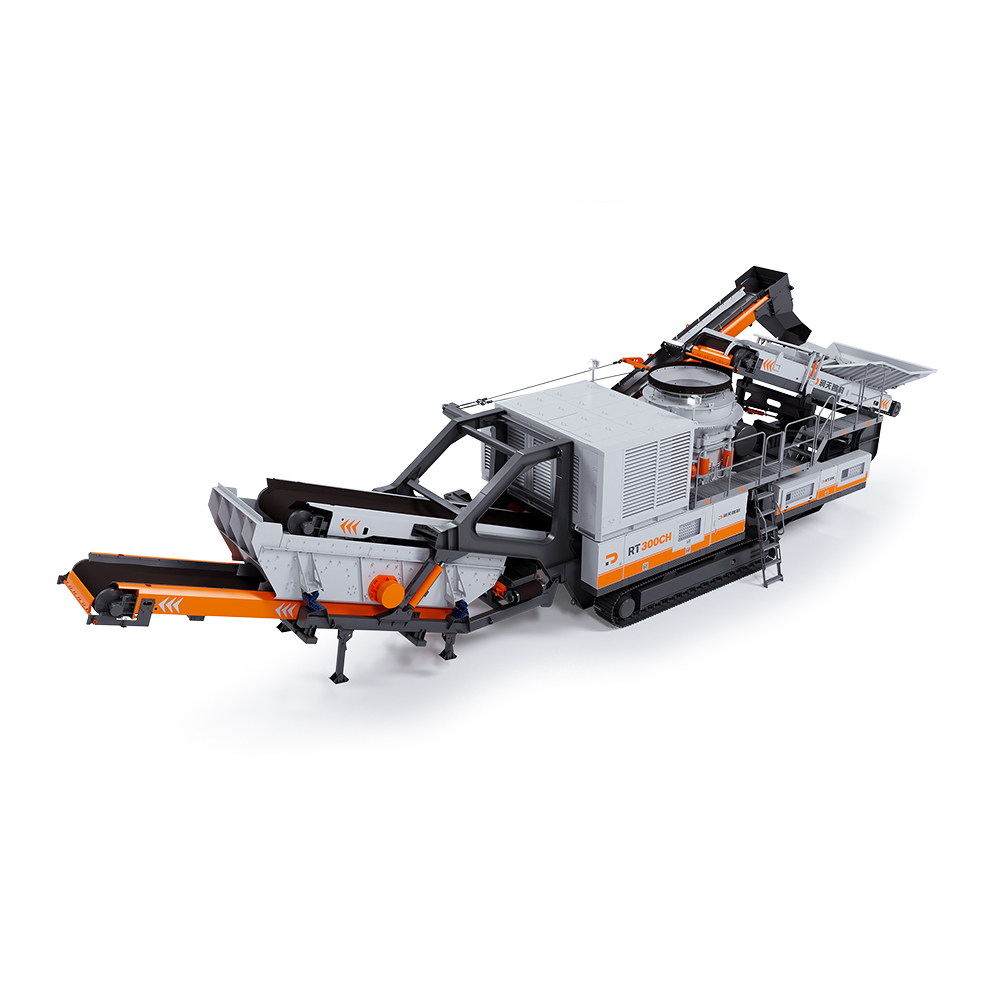 RT300CH Crawler Mobile Cone Crushing Plant
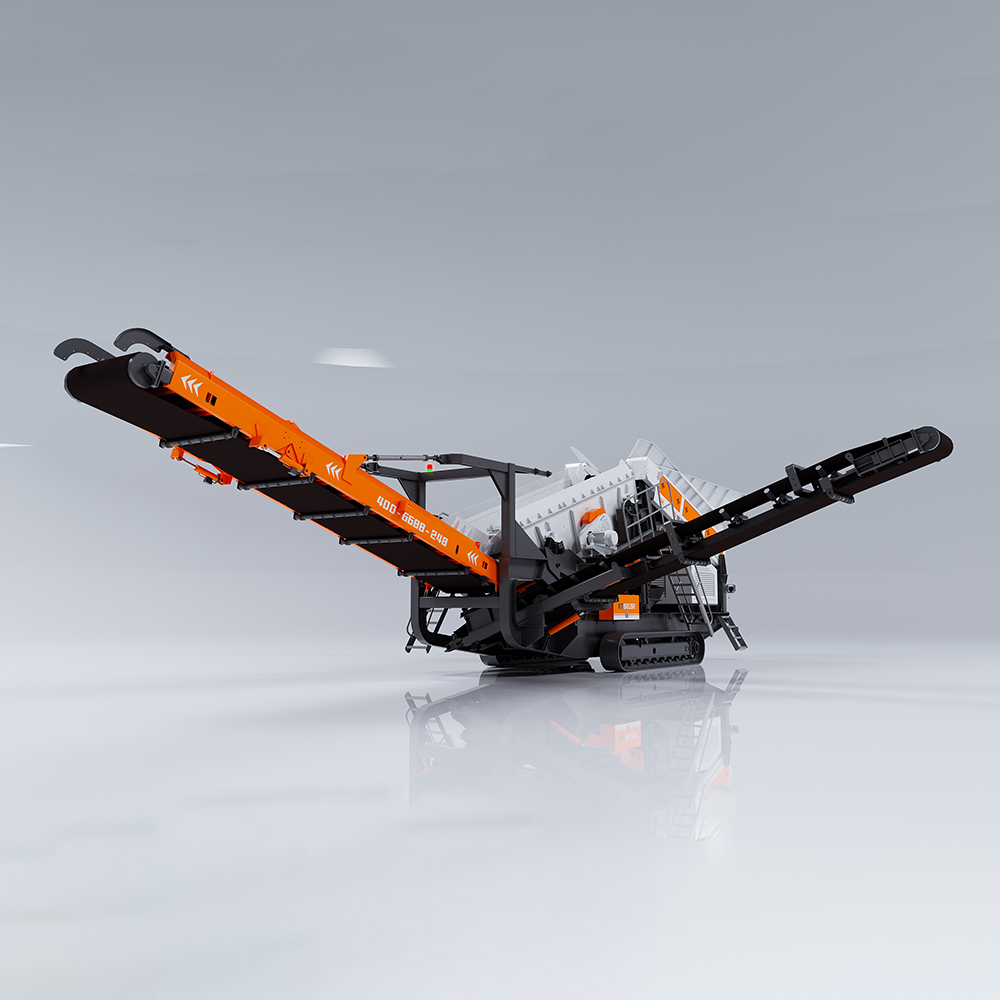 RT5015H Mobile Scalping Screen
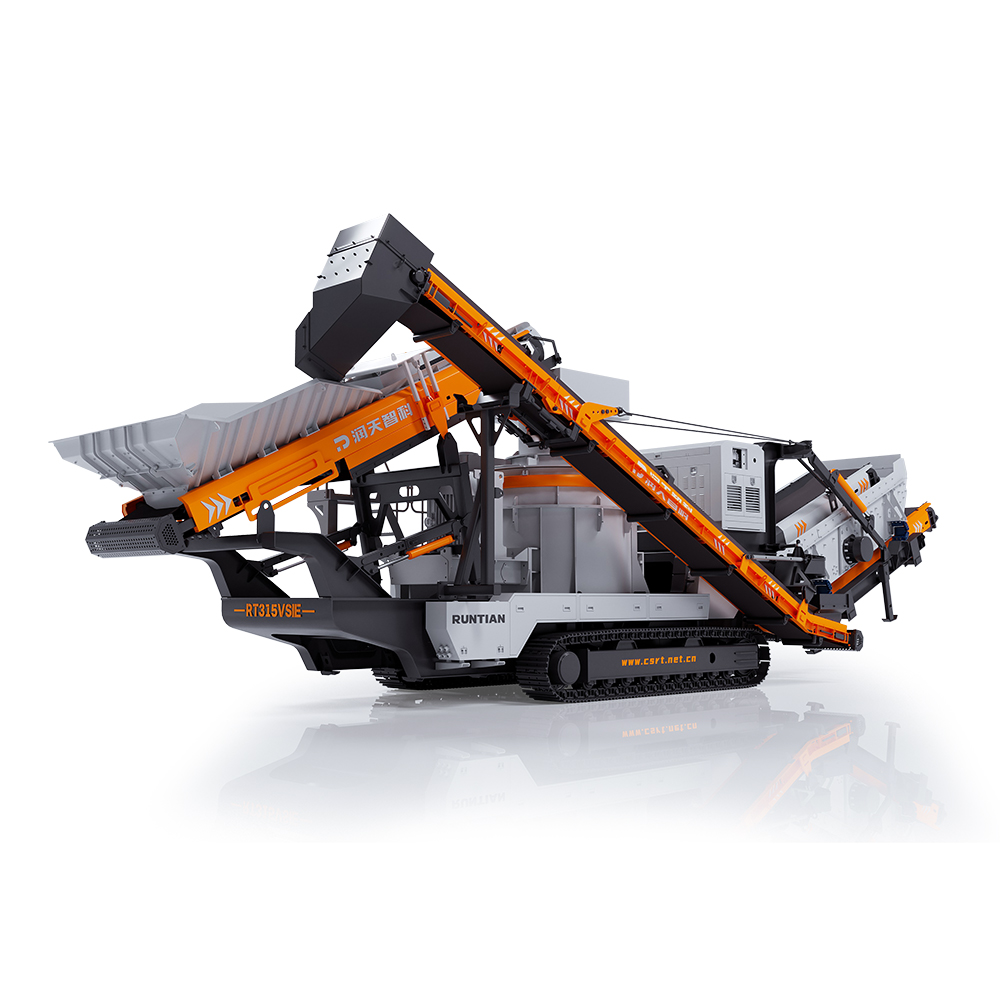 RT315VSIE Crawler Mobile Sand Maker
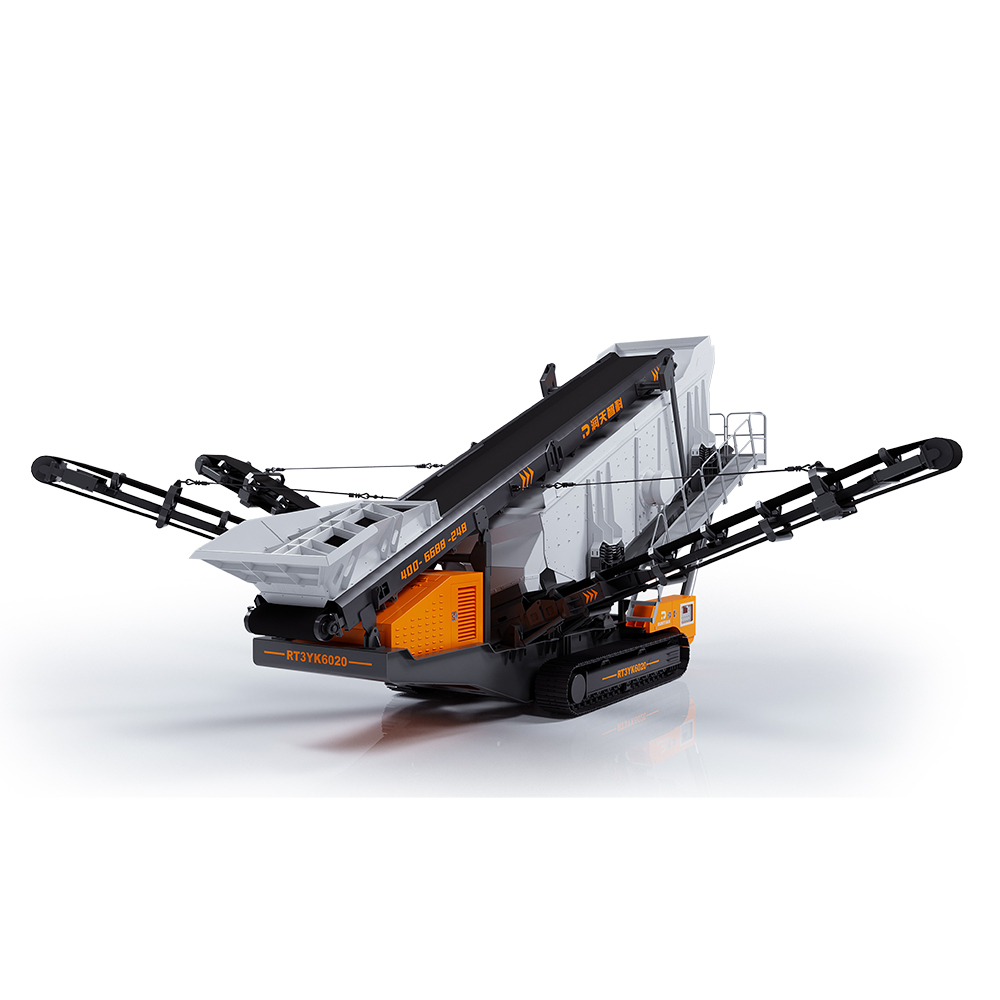 RT3YK6020 Crawler Mobile Screening Plant
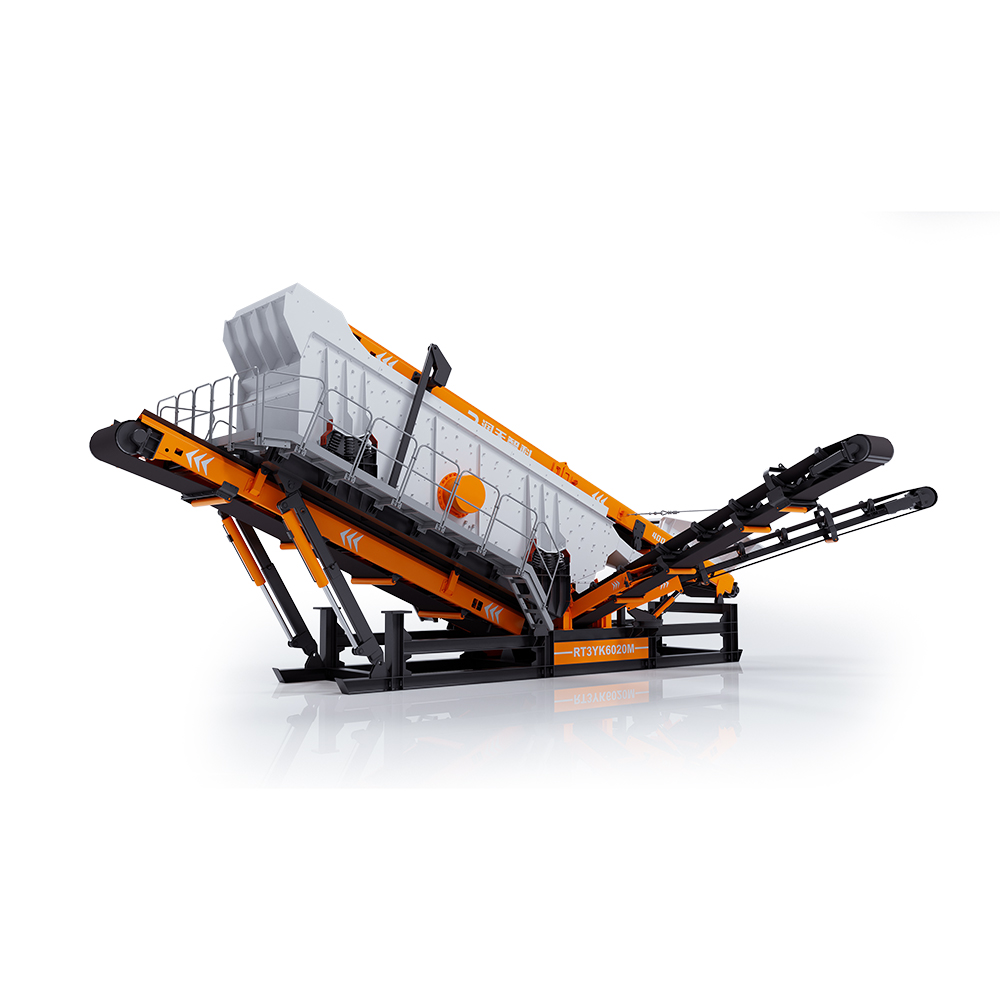 RT3YK6020M Modular Screening Plant
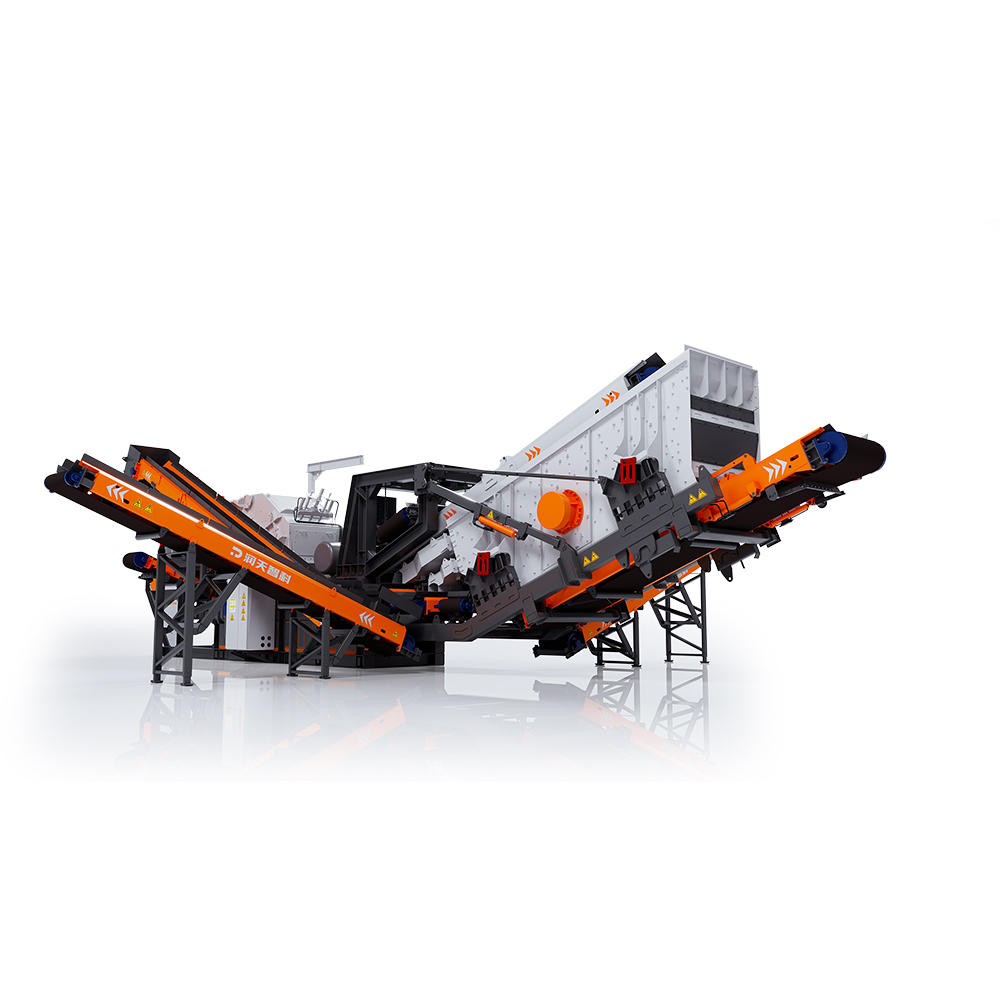 RTF260M Modular Counterattack Crushing and Screening Integrated Machine
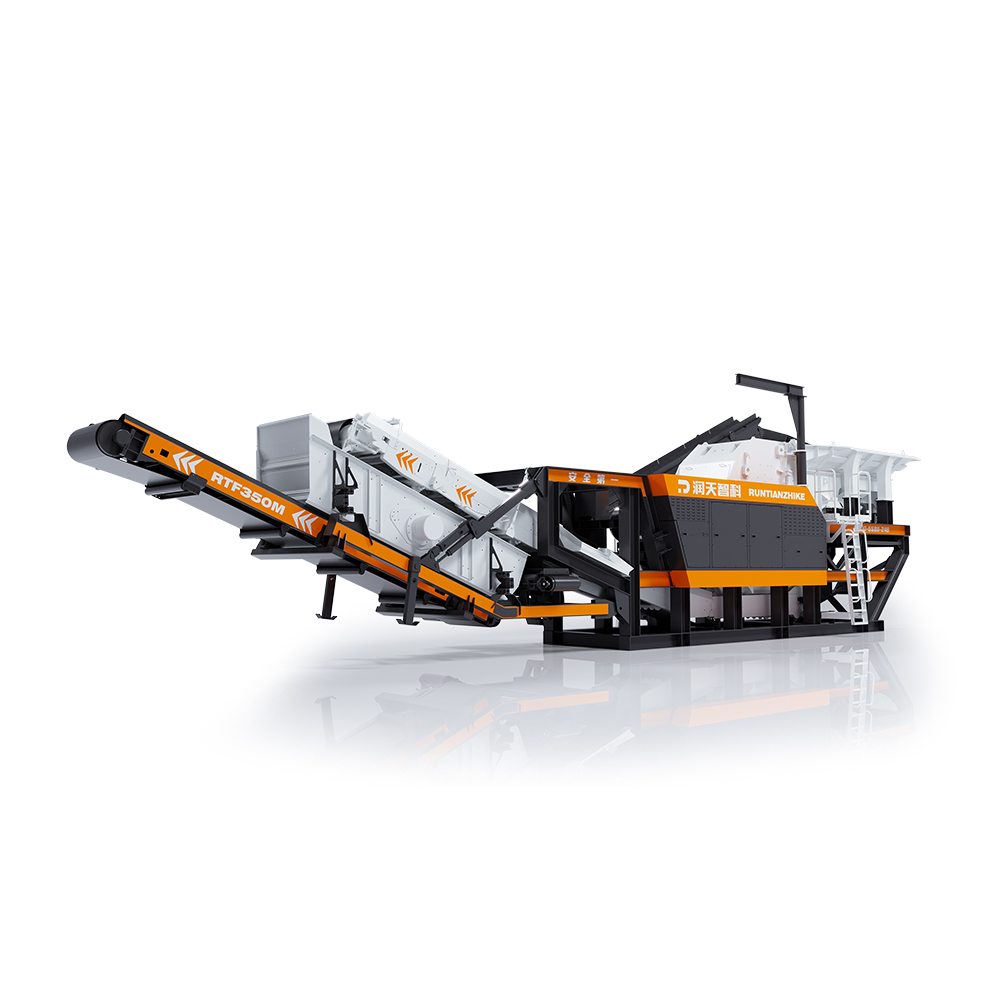 RTF350M Modular Impact Crushing Plant
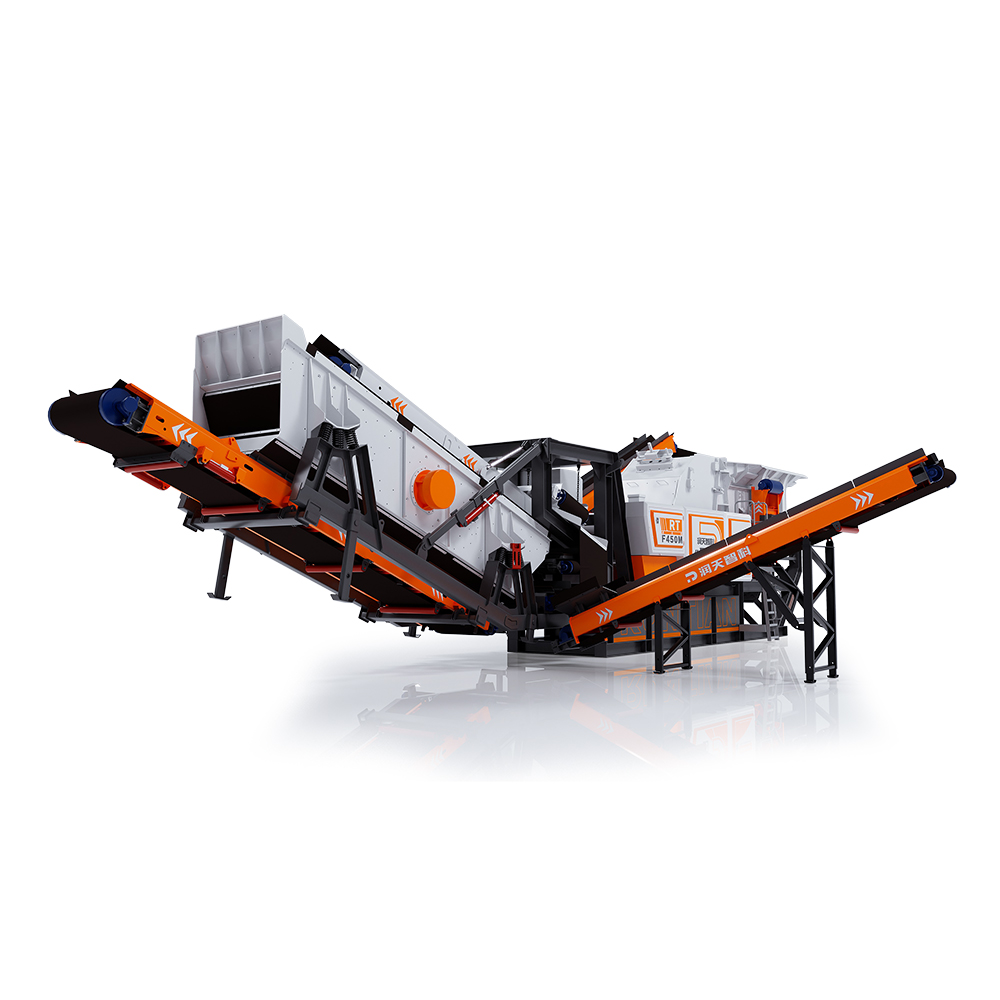 RTF450M Modular Impact Crushing Plant
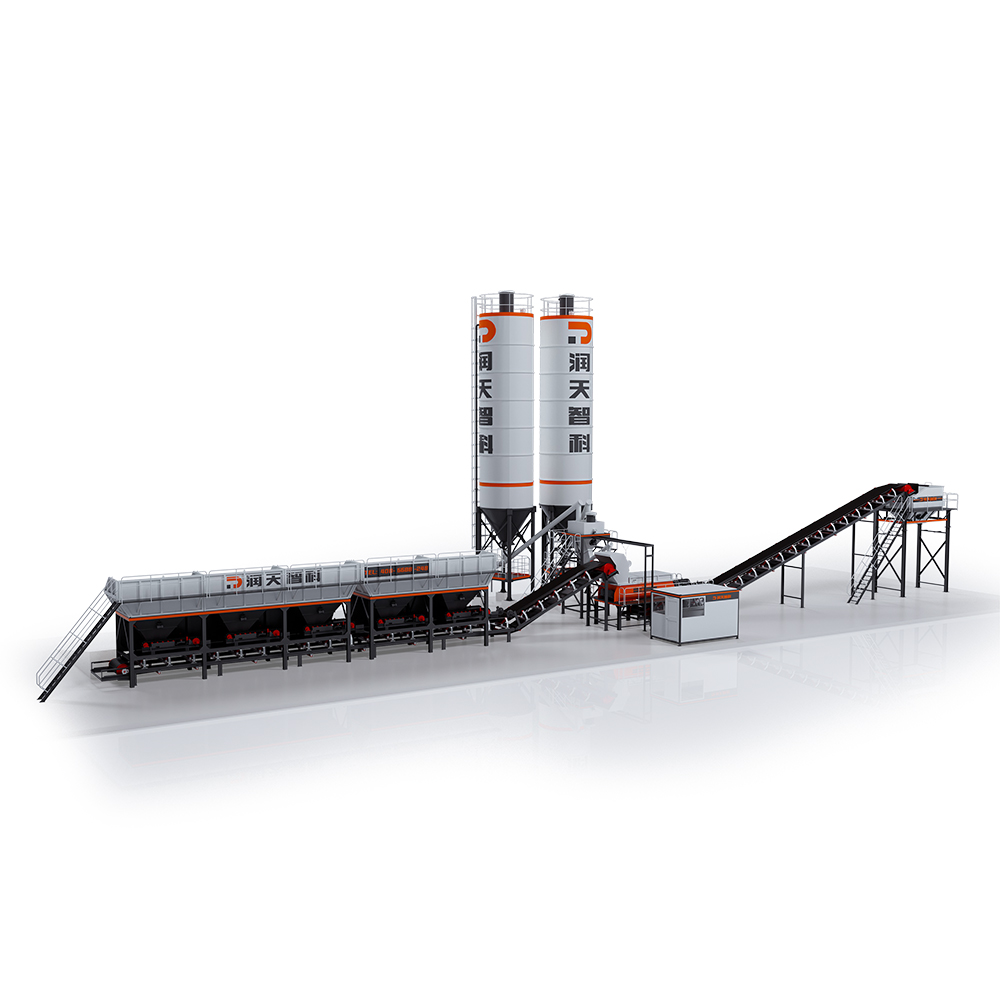 WDB Series Foundation-Free Stability Soil Mixing Plant
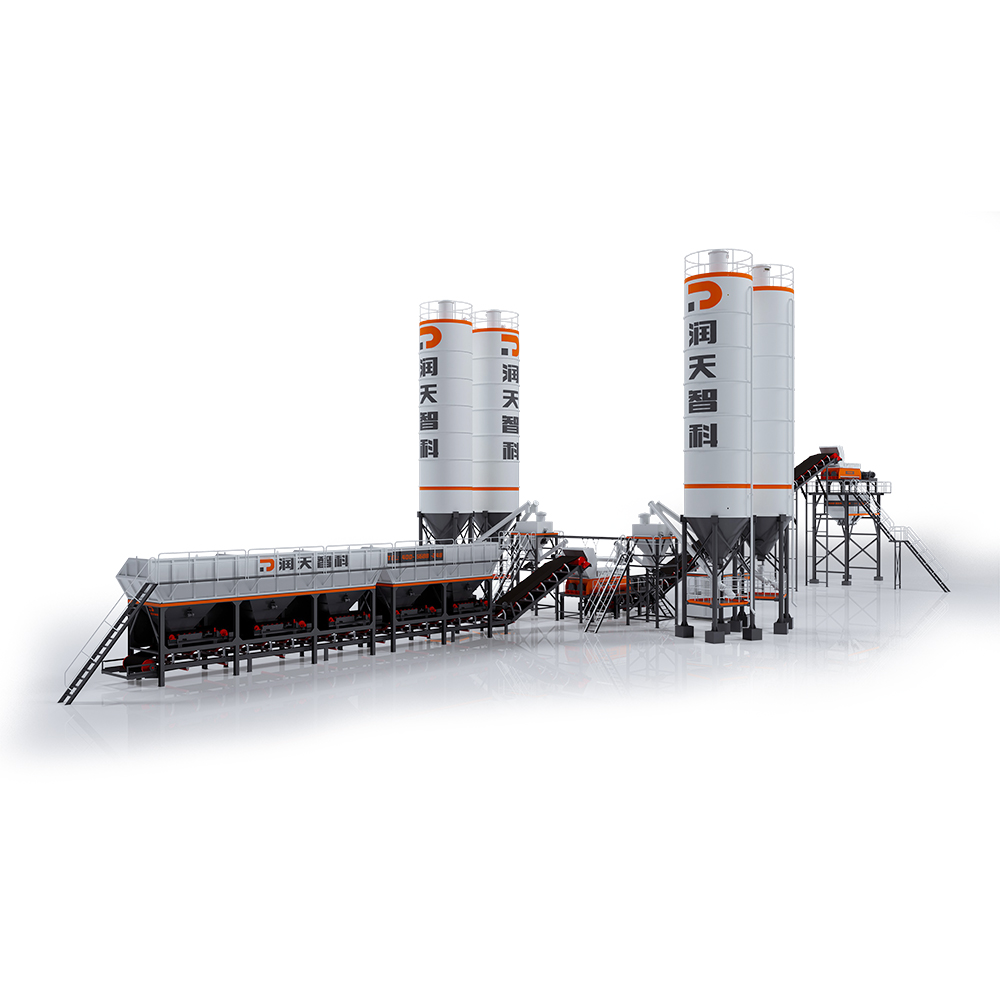 LCB Series Emulsified Asphalt Cold Regeneration Secondary Mixing Plant
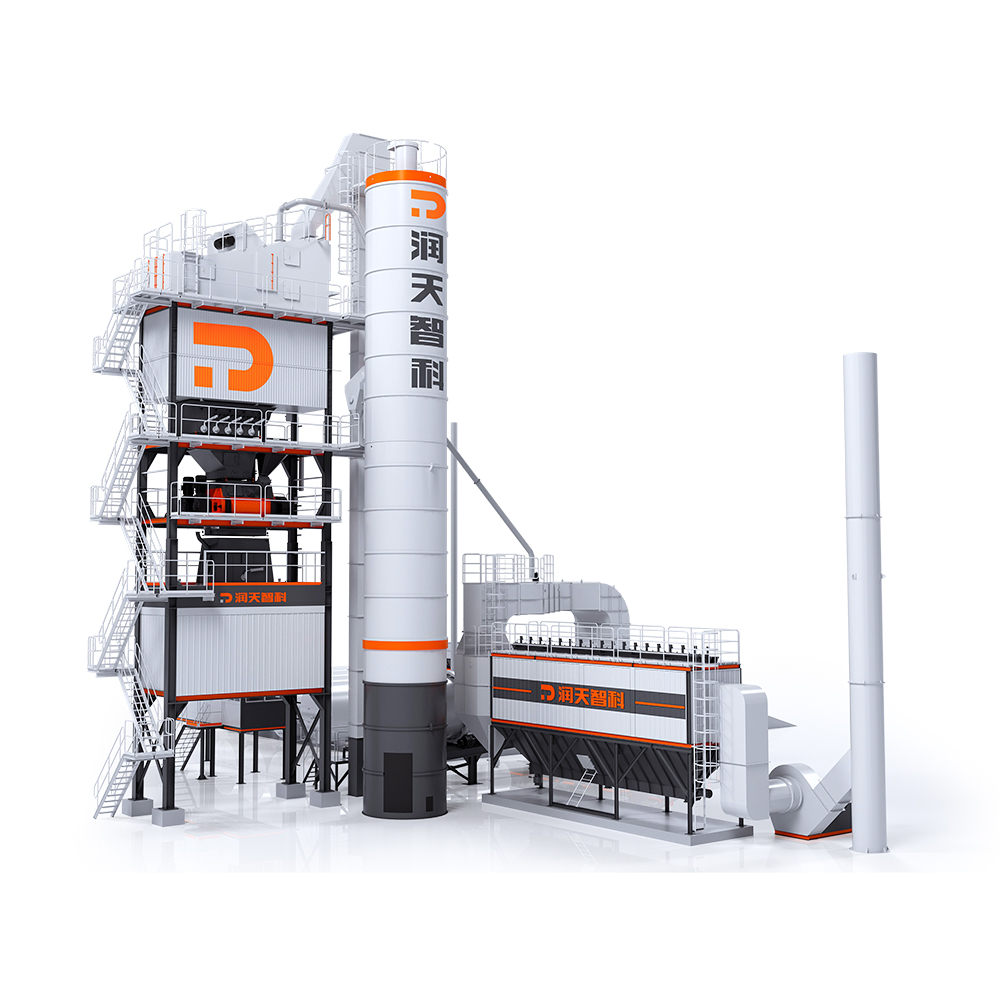 LB Series Asphalt Mixing Plant
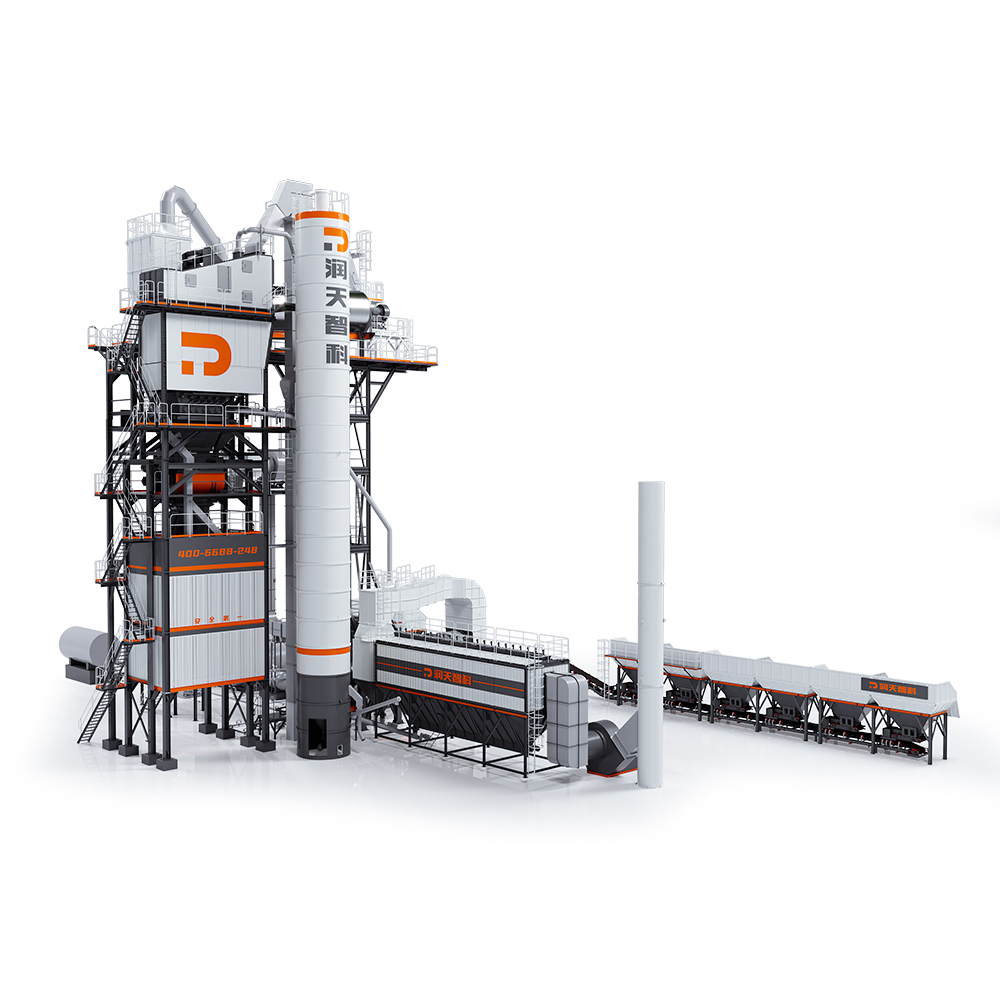 LBR Series Integrated Asphalt Mixing Plant
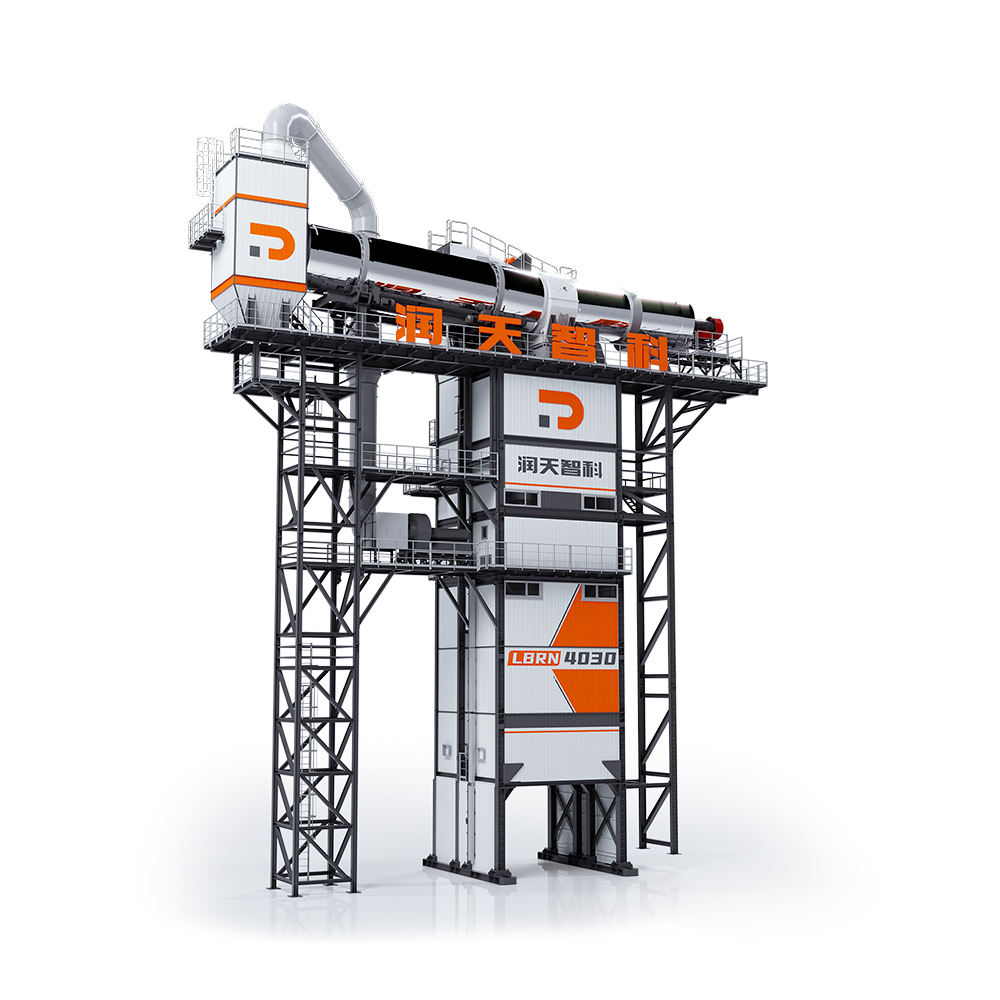 LBRN Series Counterflow Integral Asphalt Mixing Plant
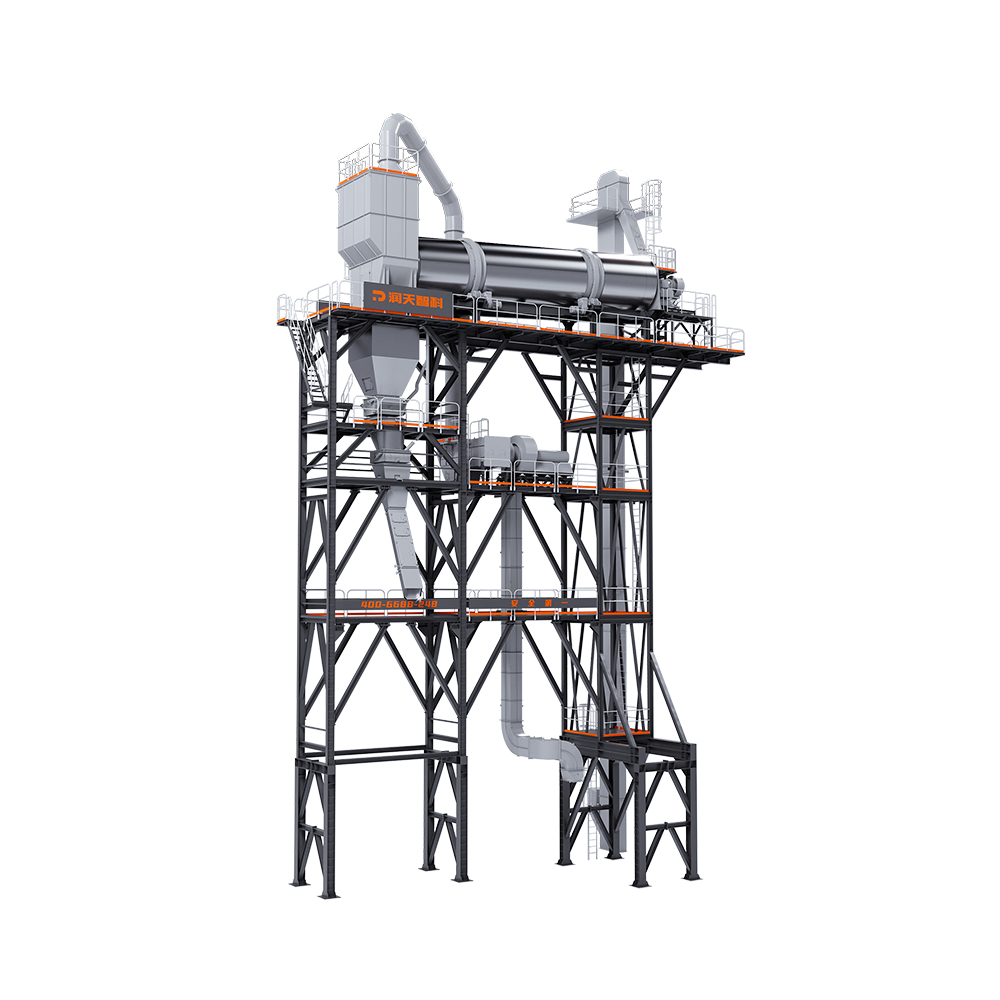 RZS Series Asphalt Mixing Plant
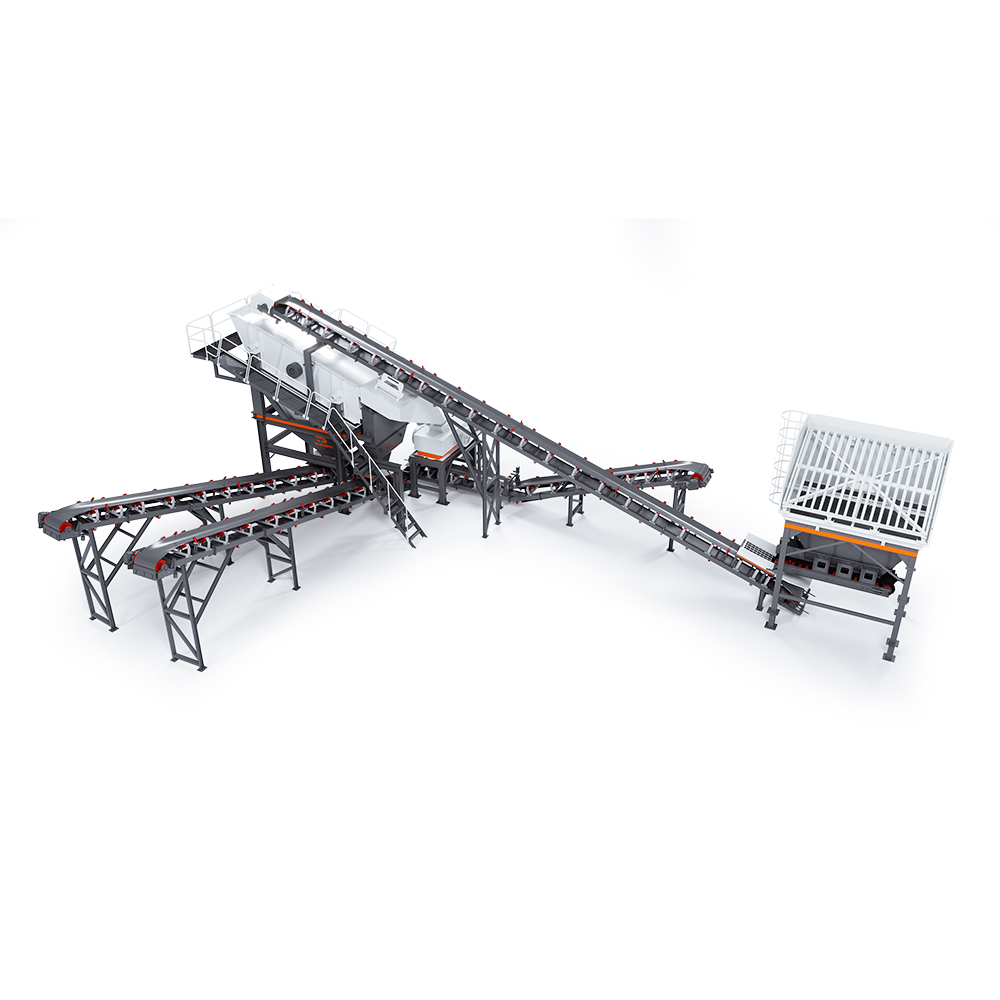 RTZS120 Series RAP Crushing & Screening Plant
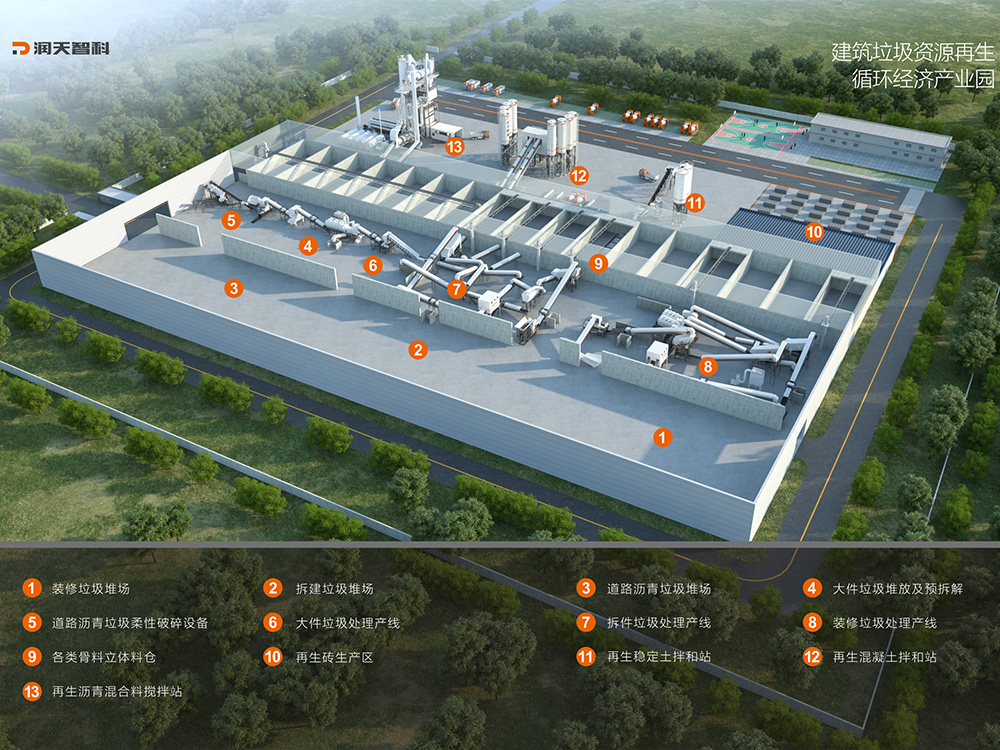 Construction Waste Resourceful Treatment Line