Top 10 Benefits of Using an Asphalt Batching Plant?
The asphalt industry has evolved significantly, with the Asphalt Batching Plant at the forefront of this transformation. According to industry expert John Stevens, "Efficiency and precision define the success of modern asphalt production." This statement reflects the increasing demand for reliable solutions in construction and infrastructure.
Asphalt Batching Plants offer numerous advantages, making them essential for large projects. They ensure that asphalt is produced consistently and meets stringent quality standards. Moreover, these plants enhance productivity, saving time and resources during construction phases. However, not all batches are perfect. Variability can occur due to temperature changes or raw material differences. This unpredictability raises questions about long-term reliability.
Investing in an Asphalt Batching Plant can improve project outcomes significantly. Yet, companies must continuously evaluate their processes and adapt to changes in technology. Embracing innovation is key, but blind adherence to existing methods can lead to missed opportunities for optimization. As the industry advances, so should our strategies and approaches to asphalt production.
Benefits of Enhanced Quality Control in Asphalt Production
Asphalt production is critical for road construction. Enhanced quality control ensures each batch meets specific standards. It significantly improves durability and performance. According to industry research, projects using controlled asphalt batches show a 30% increase in lifespan. This statistic highlights the importance of precision.
With an asphalt batching plant, operators can closely monitor the mixing process. Real-time adjustments help maintain consistency in material properties. Inconsistent batches lead to premature failures. A study by the National Asphalt Paving Association (NAPA) indicates that poor quality materials contribute to nearly 50% of road repair costs. This underscores the value of rigorous quality control.
However, it's not without challenges. Some plants struggle with adhering to quality standards consistently. Variability in raw materials can affect results. Continuous training and updated protocols are necessary. By focusing on quality assurance, the industry can reduce waste and improve sustainability. Effective quality control is essential in paving the way for long-lasting infrastructure.
Efficiency Improvements Through Automated Mixing Processes
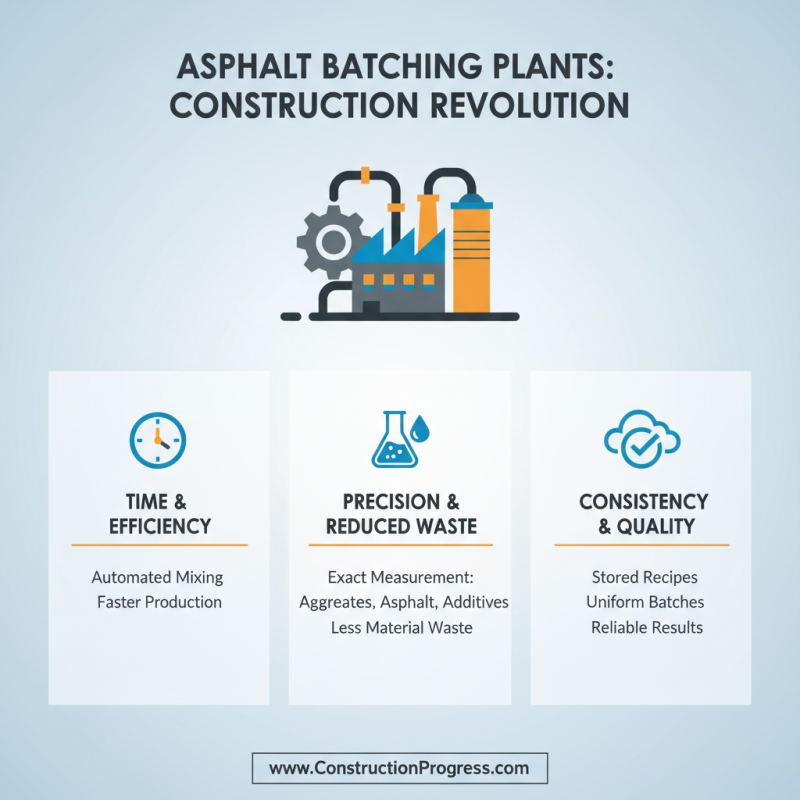
Asphalt batching plants have transformed the construction industry. Automated mixing processes save time and enhance efficiency. These systems precisely measure aggregates, asphalt, and additives. This eliminates guesswork and reduces waste. With recipes stored in the system, consistency is guaranteed in every batch.
However, the technology is not infallible. Occasionally, sensors may malfunction or readings could be miscalibrated. These issues can lead to undesirable mixtures. While automation improves accuracy, it also requires regular maintenance and training. Operators must be vigilant and adaptable, ready to troubleshoot when things go wrong.
Efficiency is not just about speed. It’s also about quality control. Automated systems can monitor temperatures and ensure optimal mixing conditions. Variations in temperature can affect the final product. This meticulousness boosts longevity, especially in adverse weather. Still, the reliance on technology brings its own challenges. Ensuring that every batch meets standards demands continuous oversight.
Cost Savings Associated with Reduced Material Waste
Using an asphalt batching plant can lead to significant cost savings, primarily through reduced material waste. In traditional methods, material loss often ranges between 10% to 20%. This is a major concern for construction companies. An asphalt batching plant can cut this loss to as little as 1% to 3%. Such efficiency not only saves money but also supports sustainable practices.
Data from industry reports indicates that companies using batching plants report savings of up to 30% on raw materials. This reduction in waste directly impacts budget allocation. Instead of spending on excess materials, funds can be directed toward other project components. Moreover, the more precise measurement of the materials in batching plants ensures the right mix every time. However, this precision requires regular maintenance to maintain efficiency.
Despite these advantages, the initial investment in an asphalt batching plant can be high. It may take time to see the full financial benefits. Companies must evaluate their specific needs and project sizes. Reflecting on these factors is essential for making the right choice. Properly used, this technology can bring long-term savings and environmental benefits.
Environmental Benefits of Using Modern Asphalt Batching Plants
Modern asphalt batching plants are designed with environmental considerations in mind. They significantly reduce emissions through advanced filtration systems. These systems capture and treat fumes before they enter the atmosphere. It results in cleaner air for surrounding communities. Moreover, using warm-mix asphalt can lower energy consumption by 20-40%. This technique reduces the carbon footprint of asphalt production.
Water management is another crucial aspect. Modern plants recycle water used in the production process, minimizing waste. This recycling prevents water pollution and preserves local water resources. They often incorporate noise reduction technologies as well. This feature helps decrease noise pollution, which is essential in urban settings.
However, certain challenges remain. The initial investment can be high for some companies. Not every facility can instantly upgrade to a modern batching plant. Additionally, training employees on new technologies can take time. It’s important to weigh these challenges against the potential environmental benefits. Enhancing sustainability in asphalt production is a step worth pursuing.
Top 10 Benefits of Using an Asphalt Batching Plant
| Benefit |
Description |
Environmental Impact |
| Improved Air Quality |
Modern plants are designed with advanced filtration systems that reduce emissions. |
Minimized airborne pollutants. |
| Energy Efficiency |
Utilization of waste heat and efficient mixing processes reduce energy consumption. |
Lower carbon footprint due to reduced energy usage. |
| Material Recycling |
Allows for recycling of reclaimed asphalt pavement (RAP). |
Reduces landfill waste and conserves natural resources. |
| Enhanced Durability |
Produces high-quality asphalt with improved longevity. |
Less frequent repairs lead to reduced waste. |
| Lower Noise Pollution |
Quieter mixing processes and equipment reduce noise levels on-site. |
Minimizes noise disturbance to local communities. |
| Consistent Quality |
Automated processes ensure uniformity in asphalt production. |
Reduces material waste from inconsistent batches. |
| Faster Production Time |
Optimized processes lead to more efficient batching cycles. |
Lowers overall resource usage due to faster project completions. |
| Reduced Transportation Emissions |
With local production, less material needs to be transported. |
Cuts down on CO2 emissions from hauling materials. |
| Advanced Technology |
Modern batching plants utilize IoT and AI for optimized operations. |
Promotes sustainable practices through smart technology. |
Increased Flexibility for Meeting Diverse Project Requirements
Asphalt batching plants are crucial for diverse construction projects. One prominent benefit is their increased flexibility. These plants can easily adjust to different asphalt mixes. This is essential for projects that require specific material properties. For instance, a road repair project may need a different mix than a new highway. The ability to switch mixes quickly is paramount.
Moreover, adjusting production rates is another dimension of this flexibility. Some projects might need a large volume of asphalt in a short timeframe. Others may require a continuous supply over several days. Batching plants can adapt to these varying demands. This capacity ensures that construction timelines are met without compromising quality. However, it requires careful planning and workforce coordination, which can sometimes be challenging.
Location also plays a role in flexibility. Asphalt batching plants can be set near project sites. This reduces transportation costs and time, making it easier to respond to on-site needs. Yet, setting up close to the project can lead to logistical challenges. Balancing convenience and efficiency is not always straightforward. Overall, the flexibility of asphalt batching plants is a significant benefit, enabling them to meet a range of project requirements effectively.

 Concrete Mixing Plant
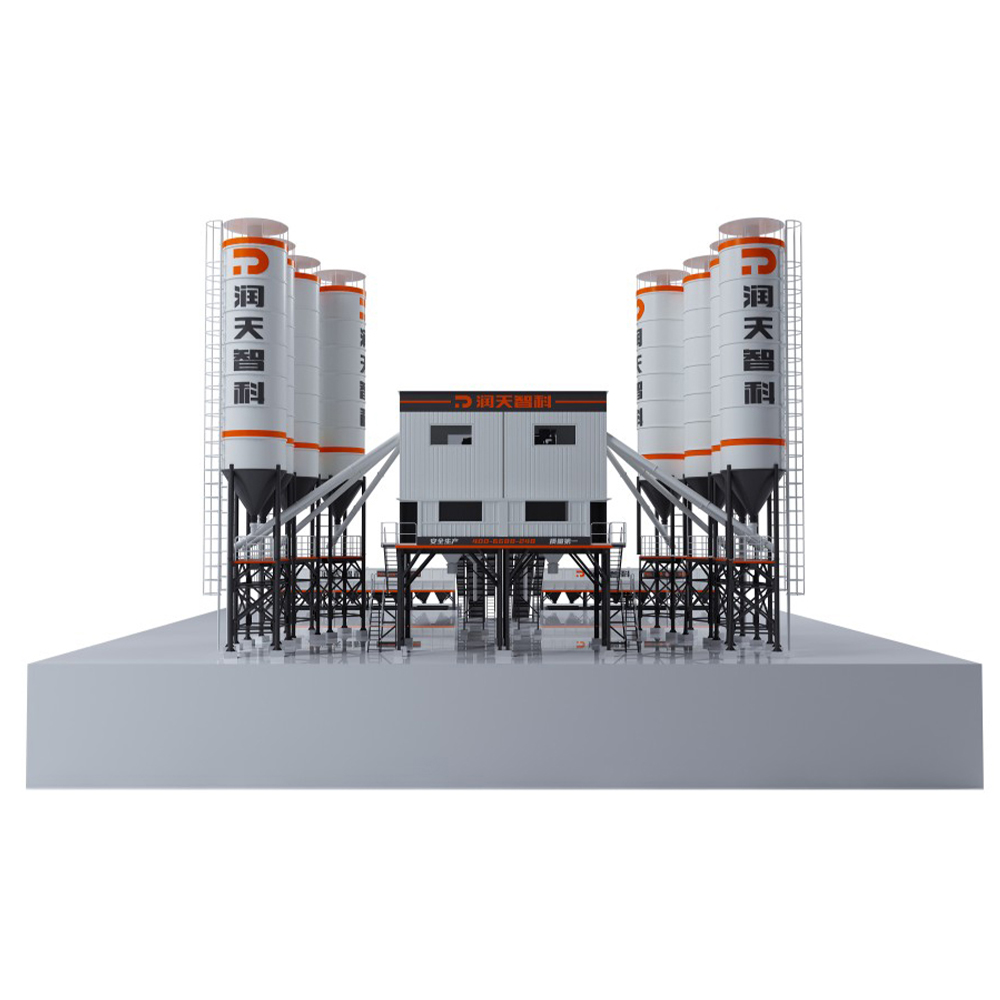 HZS Series Belt Concrete Mixing Plant
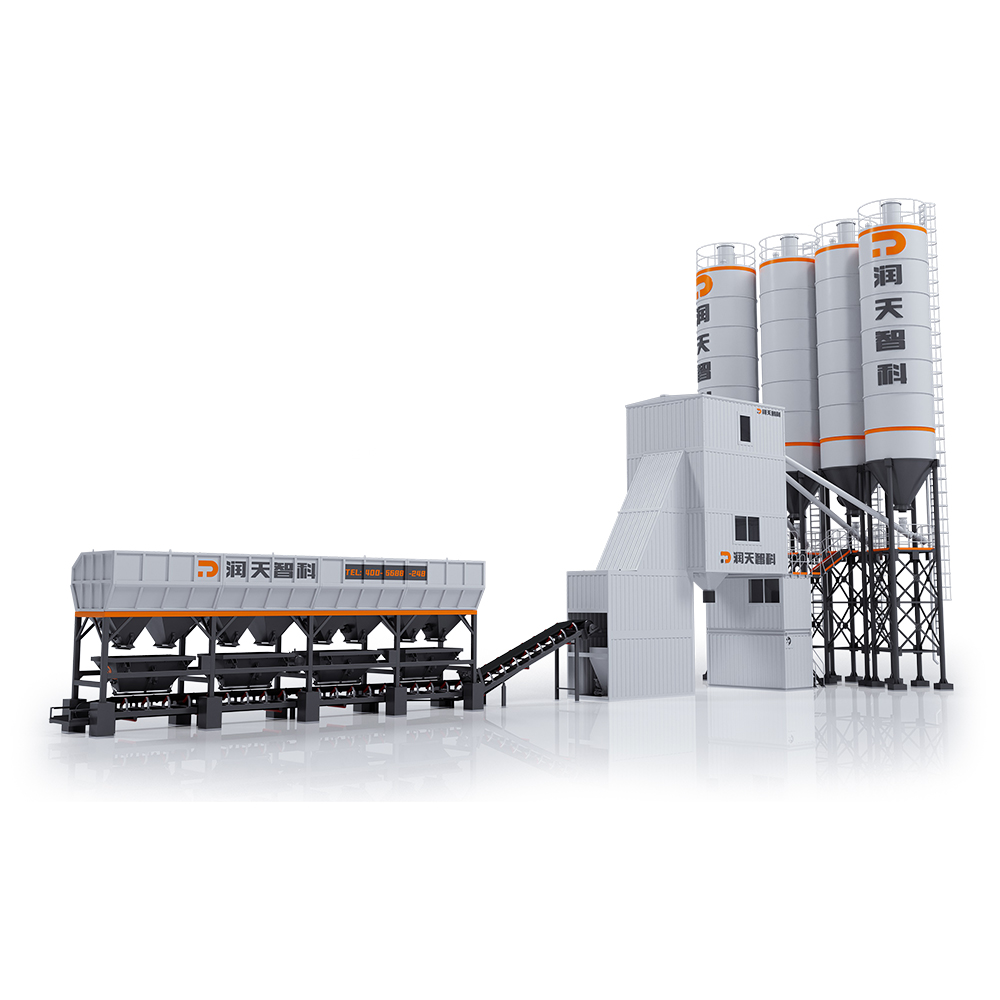 HZS Series Bucket-Lifting Type Container Concrete Mixing Plant
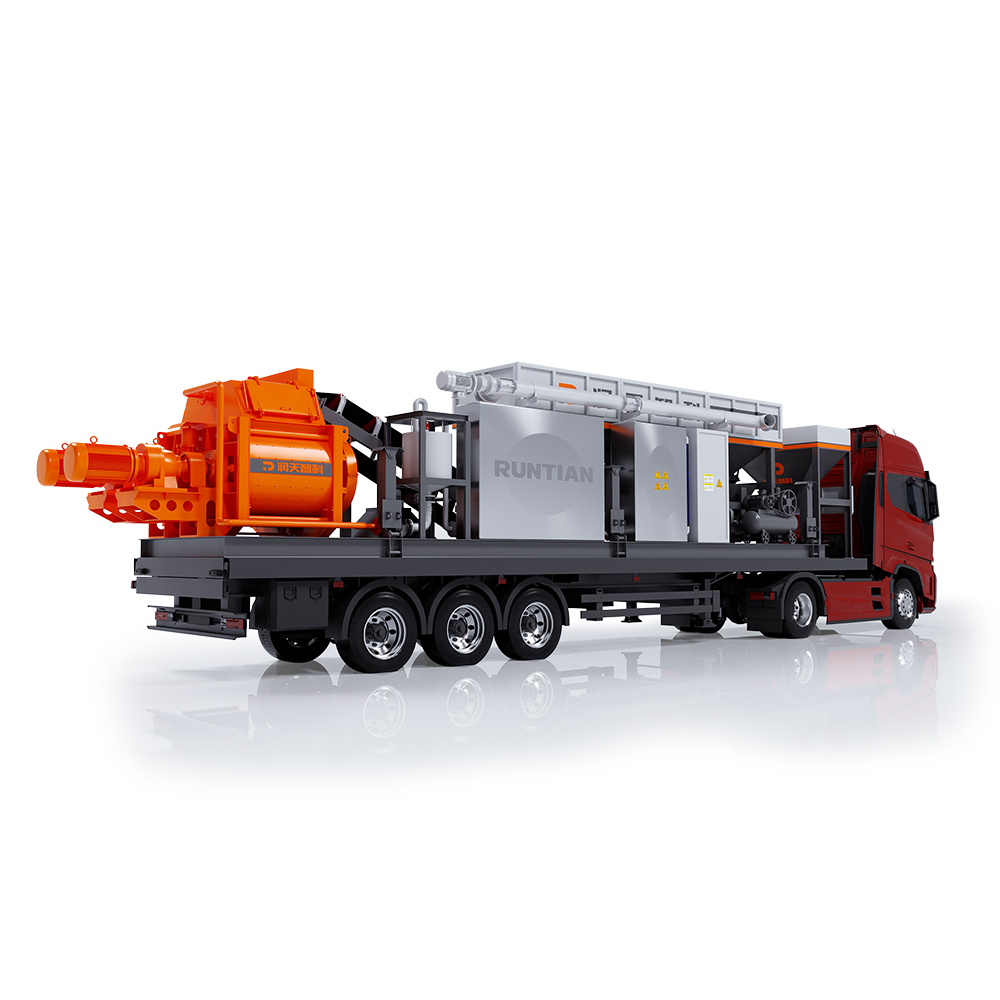 HZS60 Mobile Concrete Mixing Plant
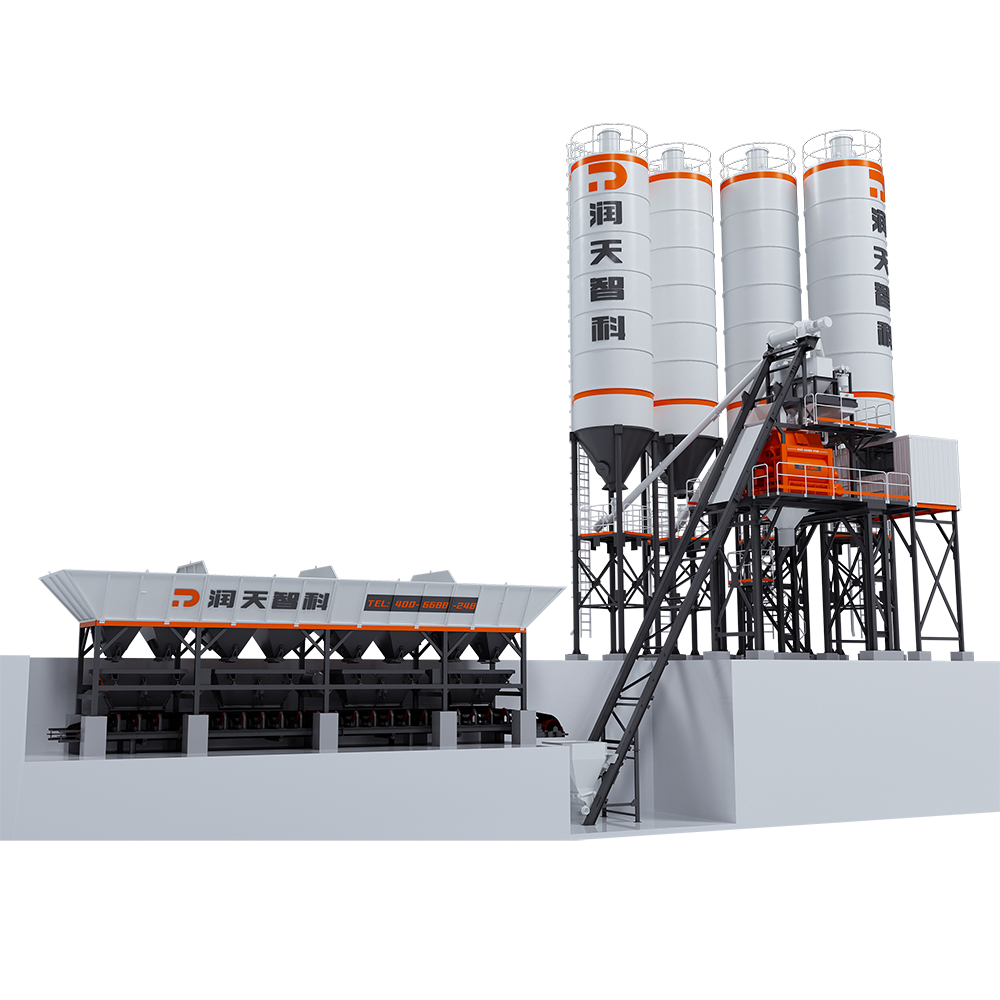 HZS Series Bucket-Lifting Type Concrete Mixing Plant
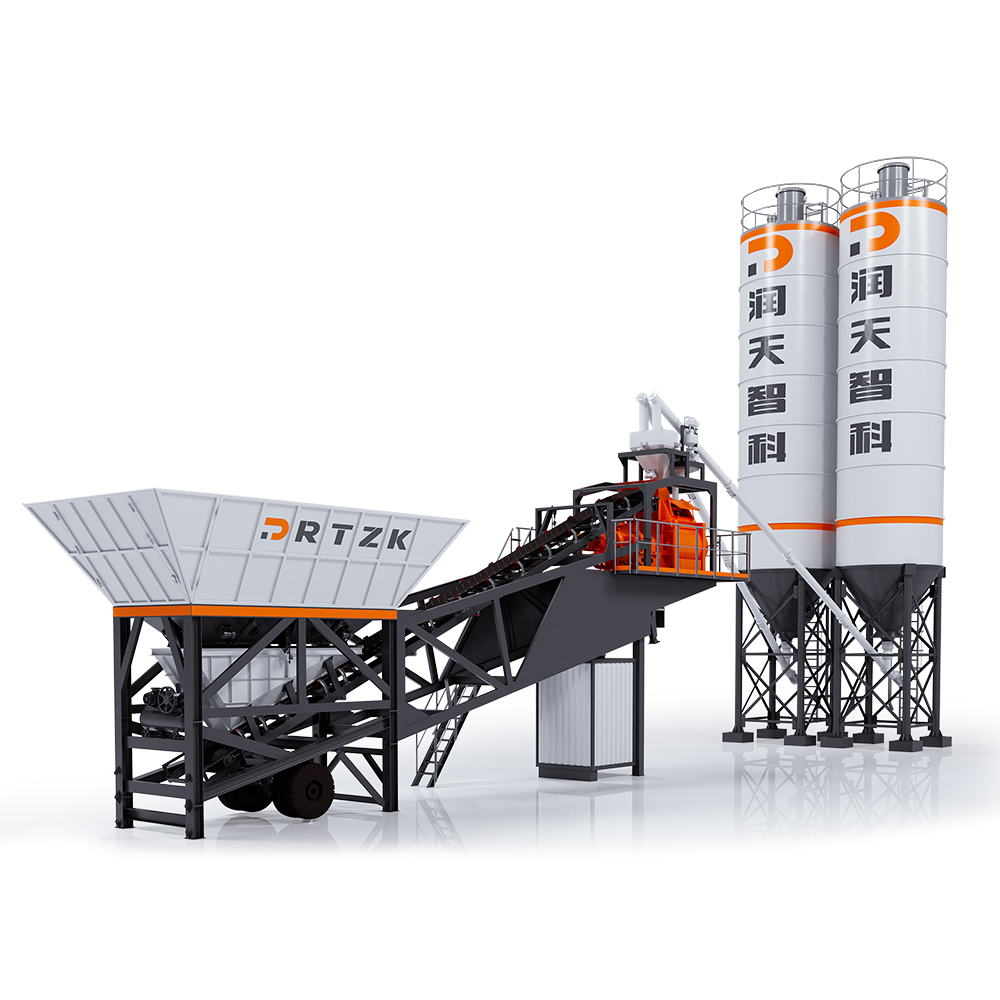 HZS Series Mobile Concrete Mixing Plant
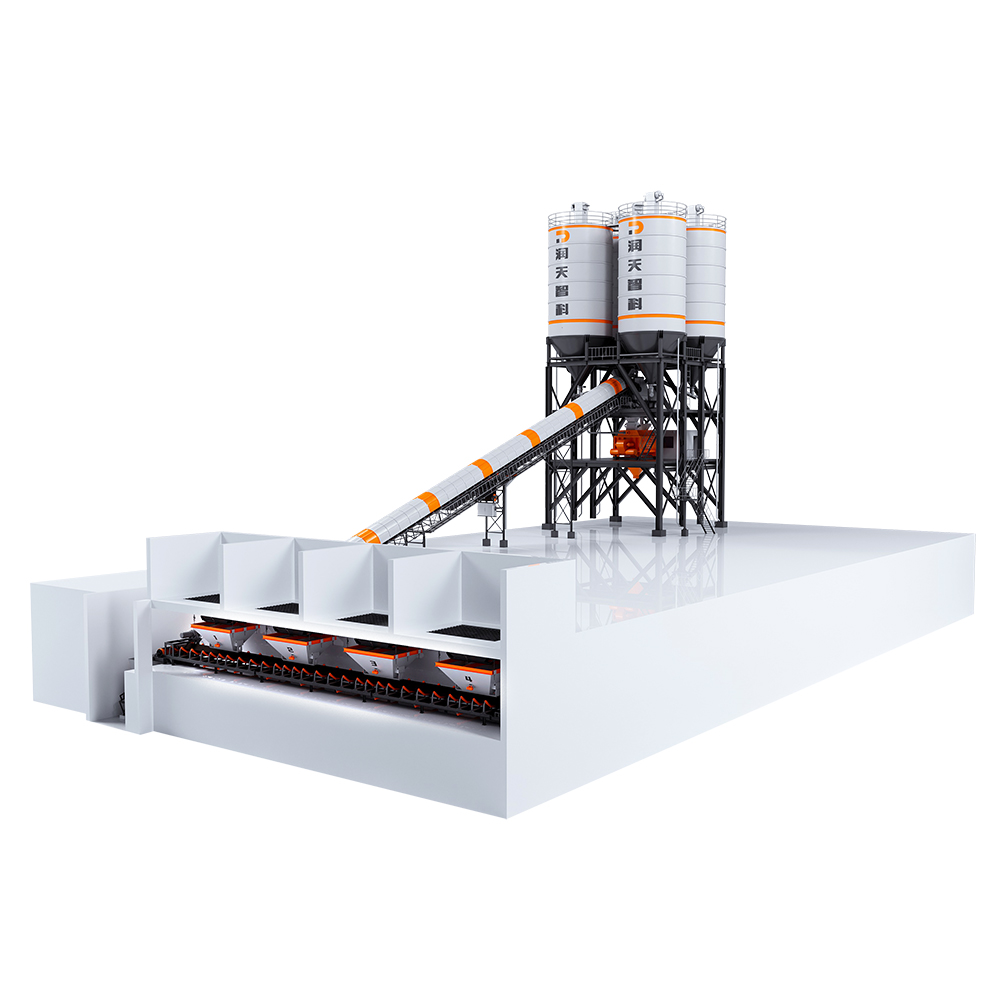 HZS Series Top-Mounted Concrete Mixing plant
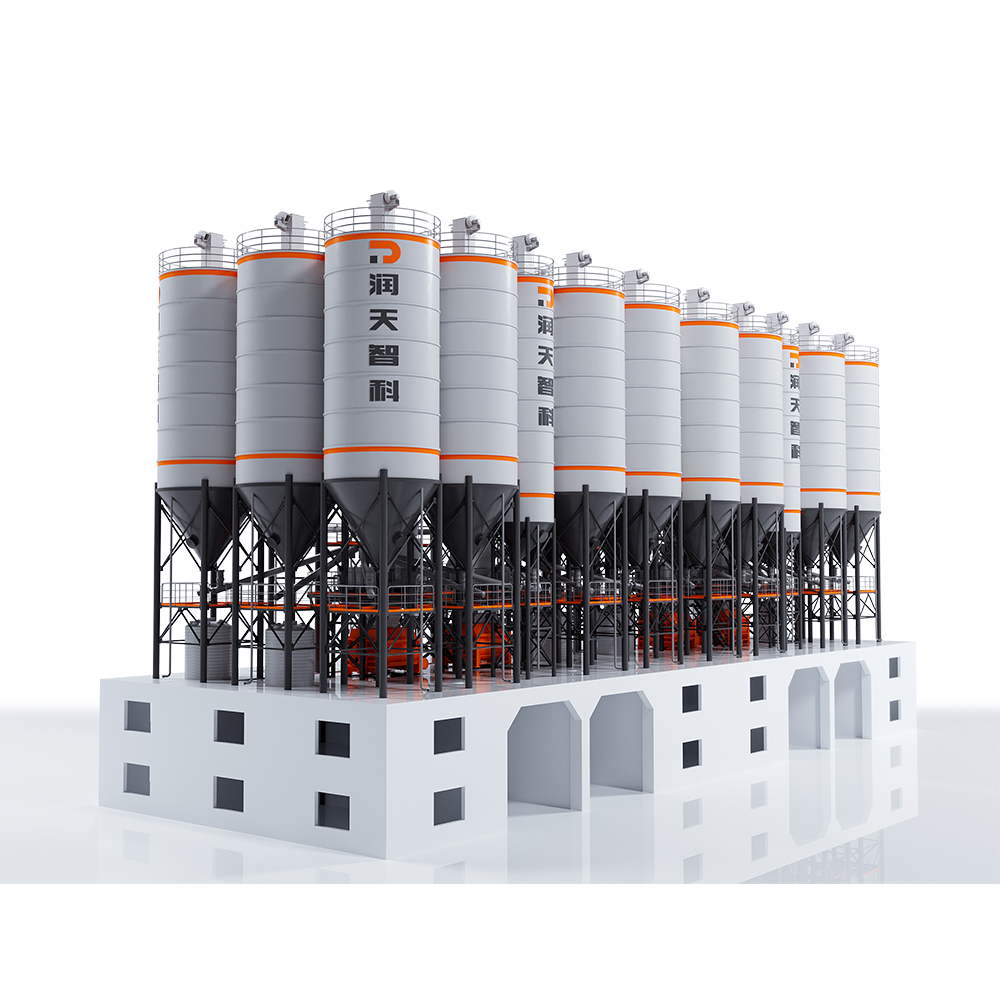 HZS Series Semi-Top Mounted Concrete Mixing Plant
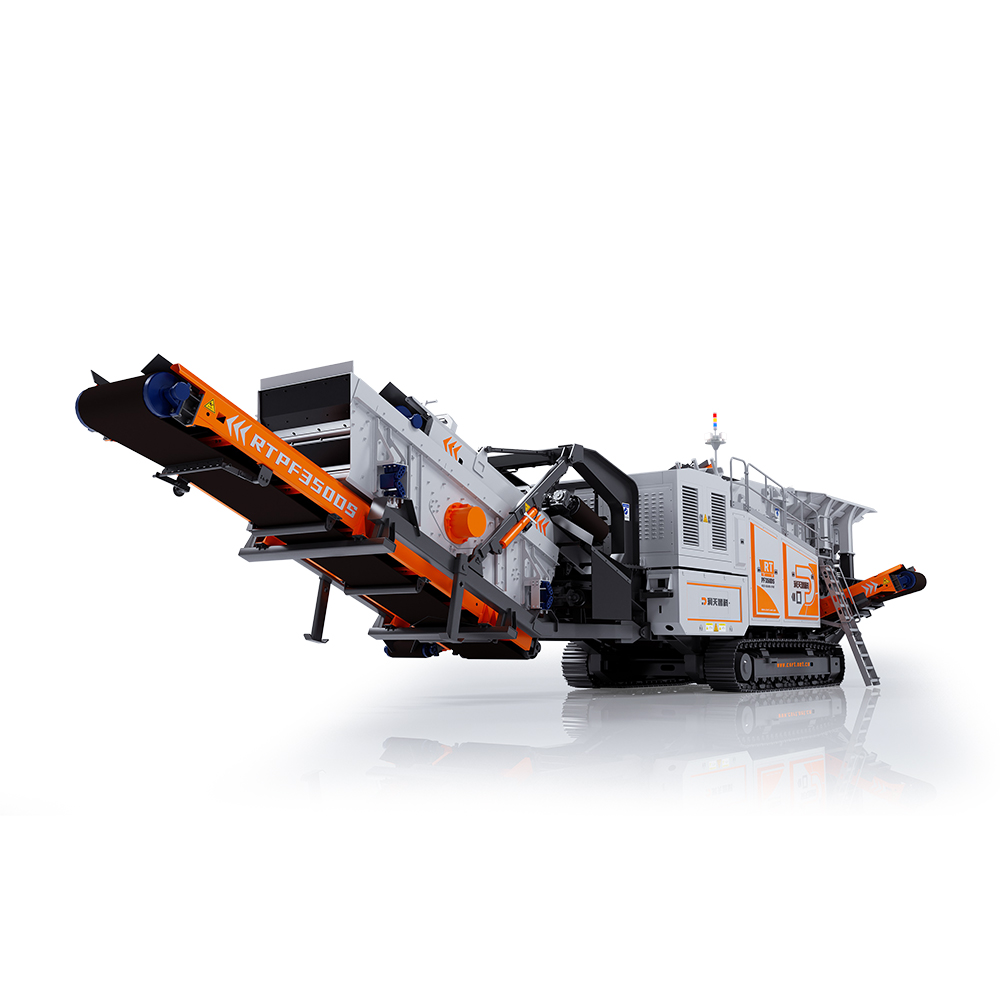 RTPF350DS Crawler Mobile Impact Crushing Plant
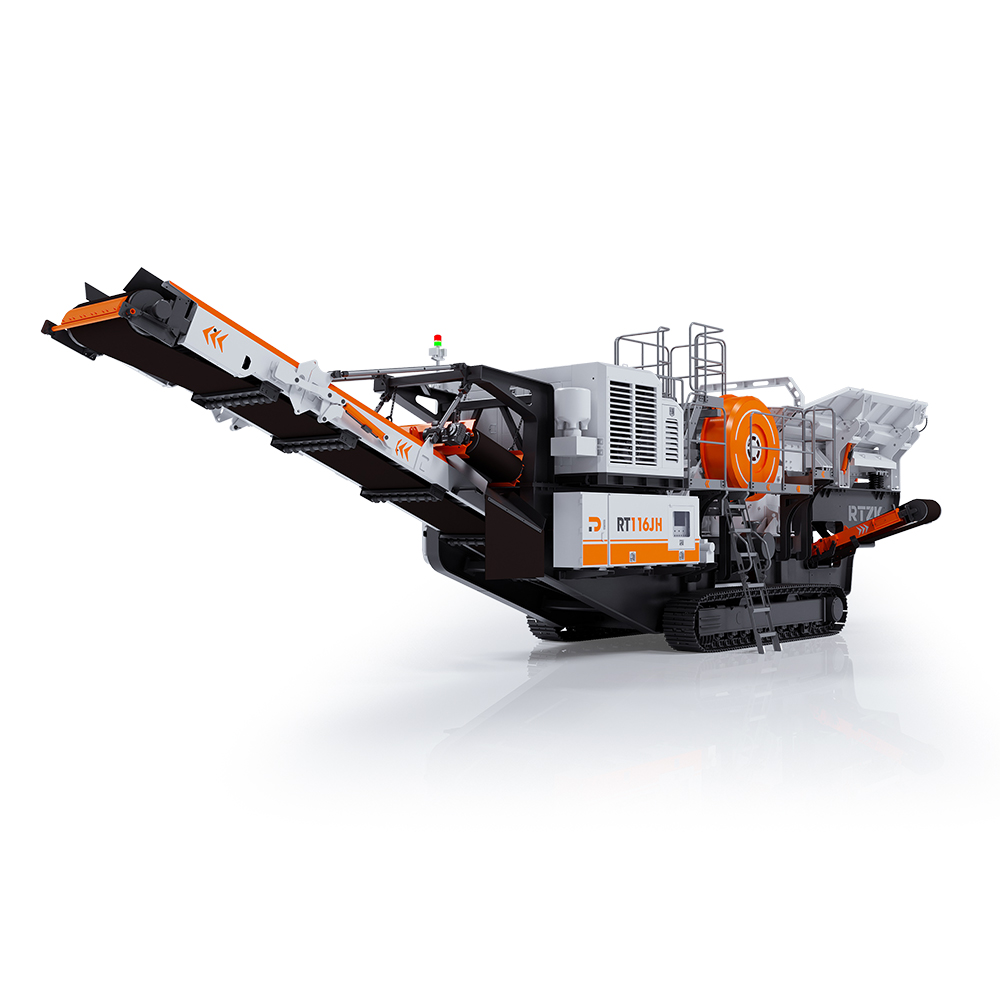 RT116JH Crawler Mobile Jaw Crushing Plant
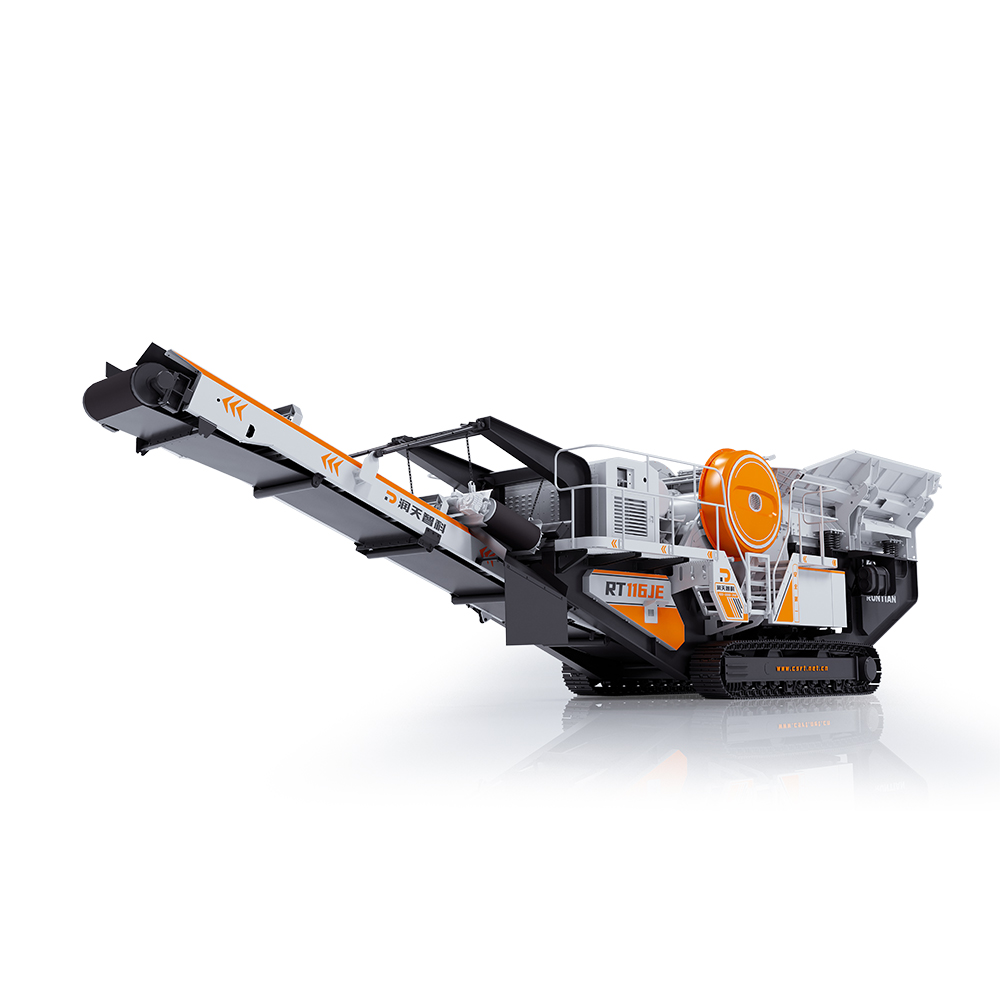 RT116JE Crawler Mobile Jaw Crushing Plant
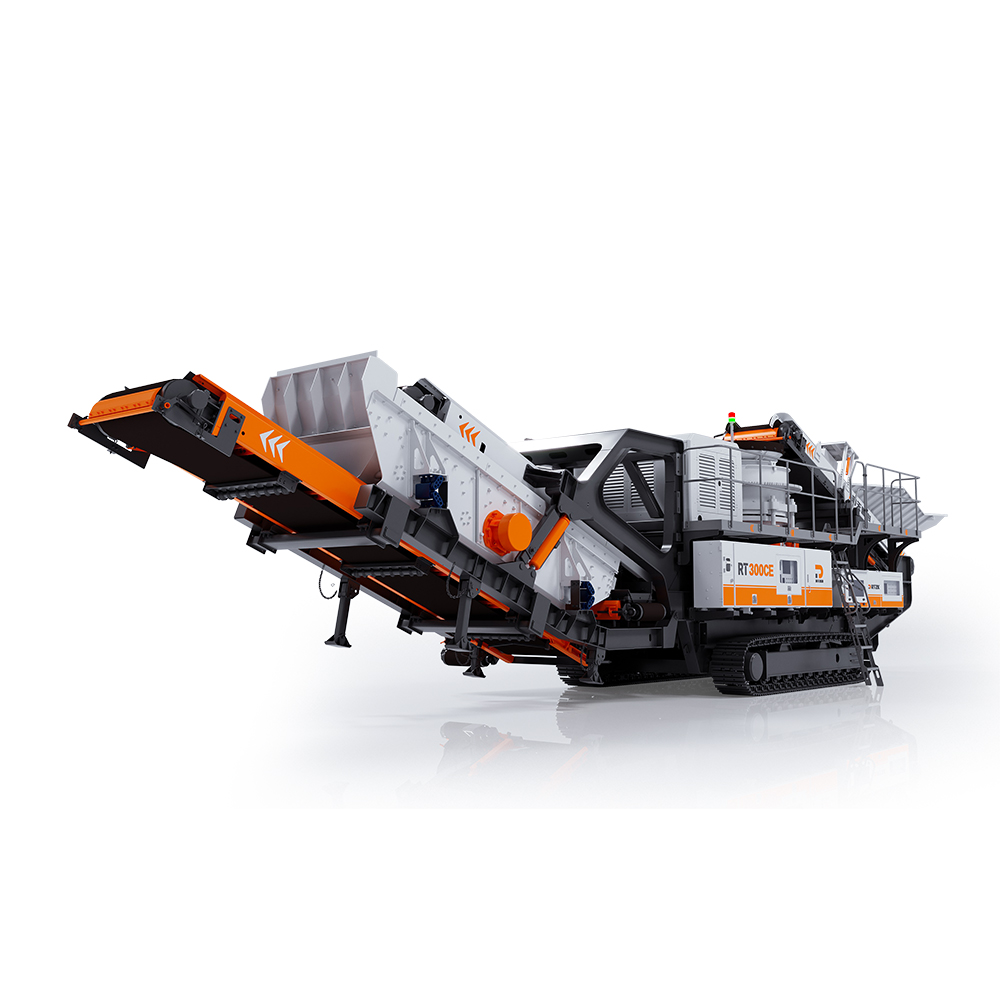 RT300CE Crawler Mobile Cone Crushing Plant
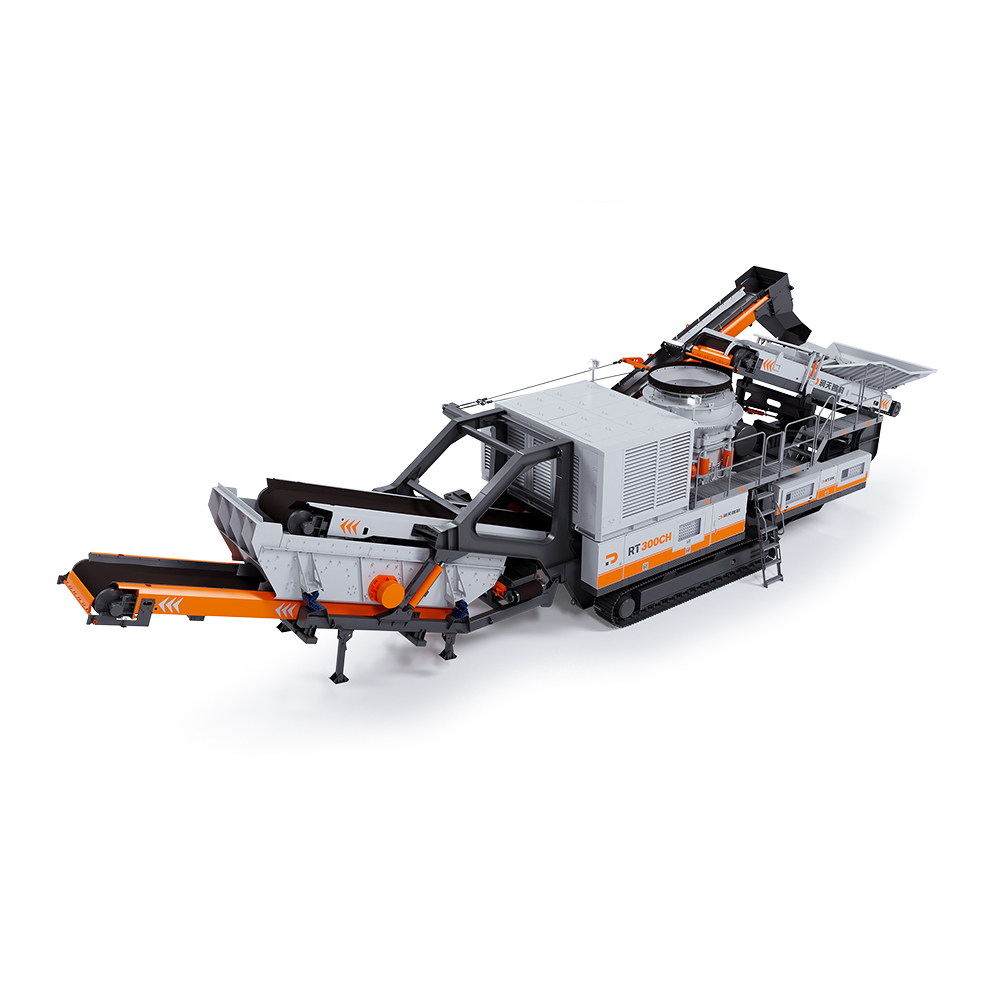 RT300CH Crawler Mobile Cone Crushing Plant
 RT5015H Mobile Scalping Screen
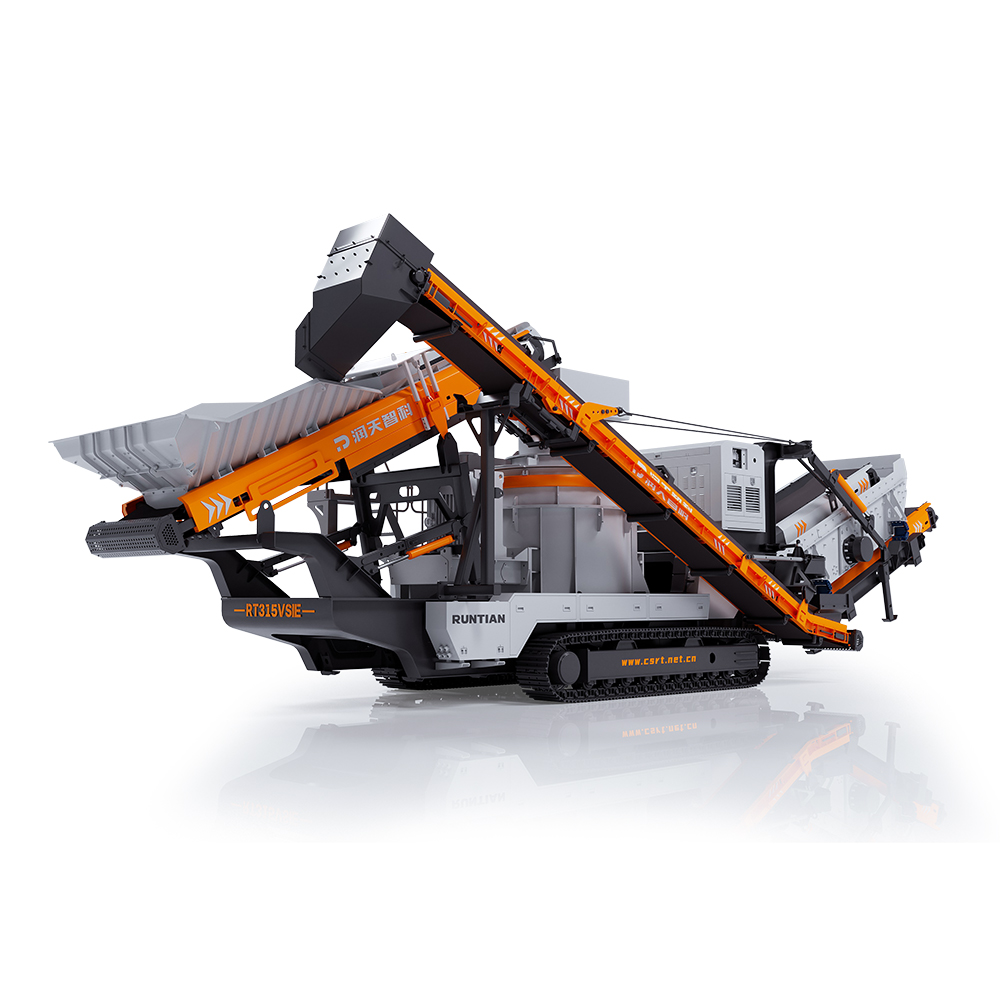 RT315VSIE Crawler Mobile Sand Maker
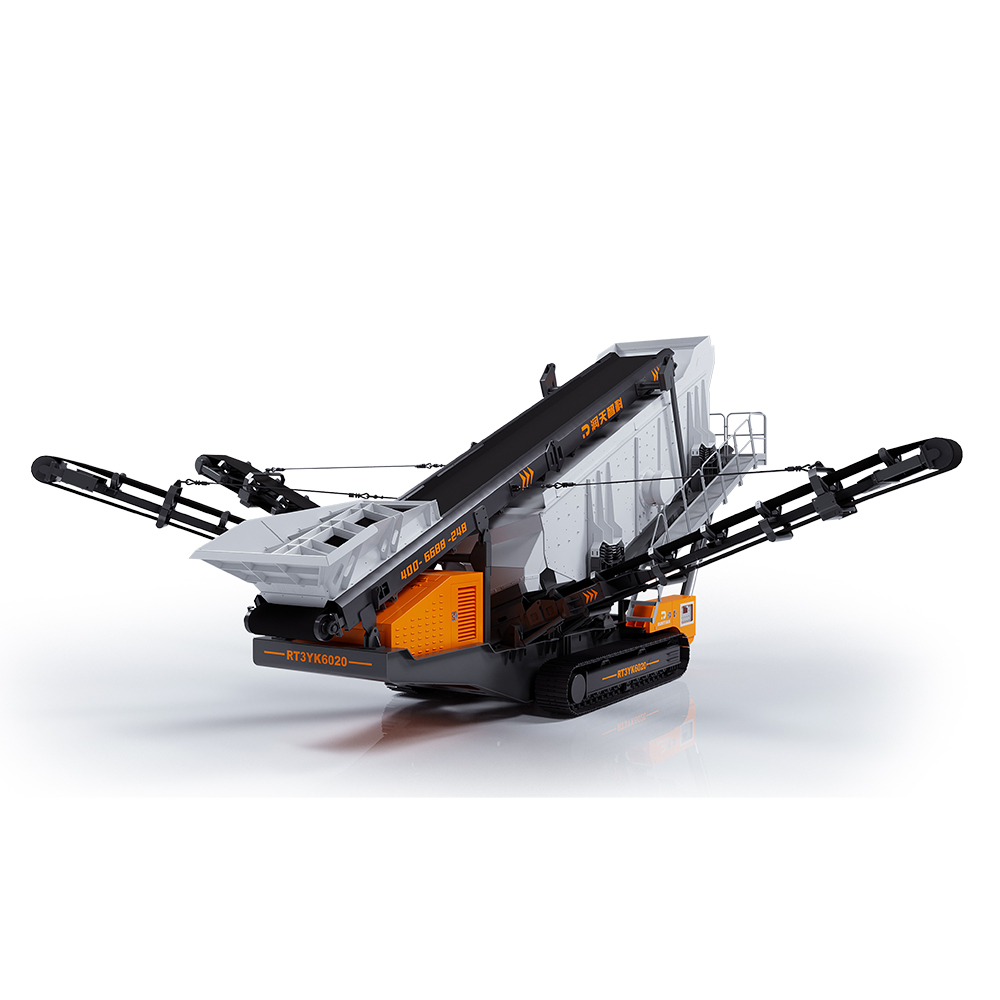 RT3YK6020 Crawler Mobile Screening Plant
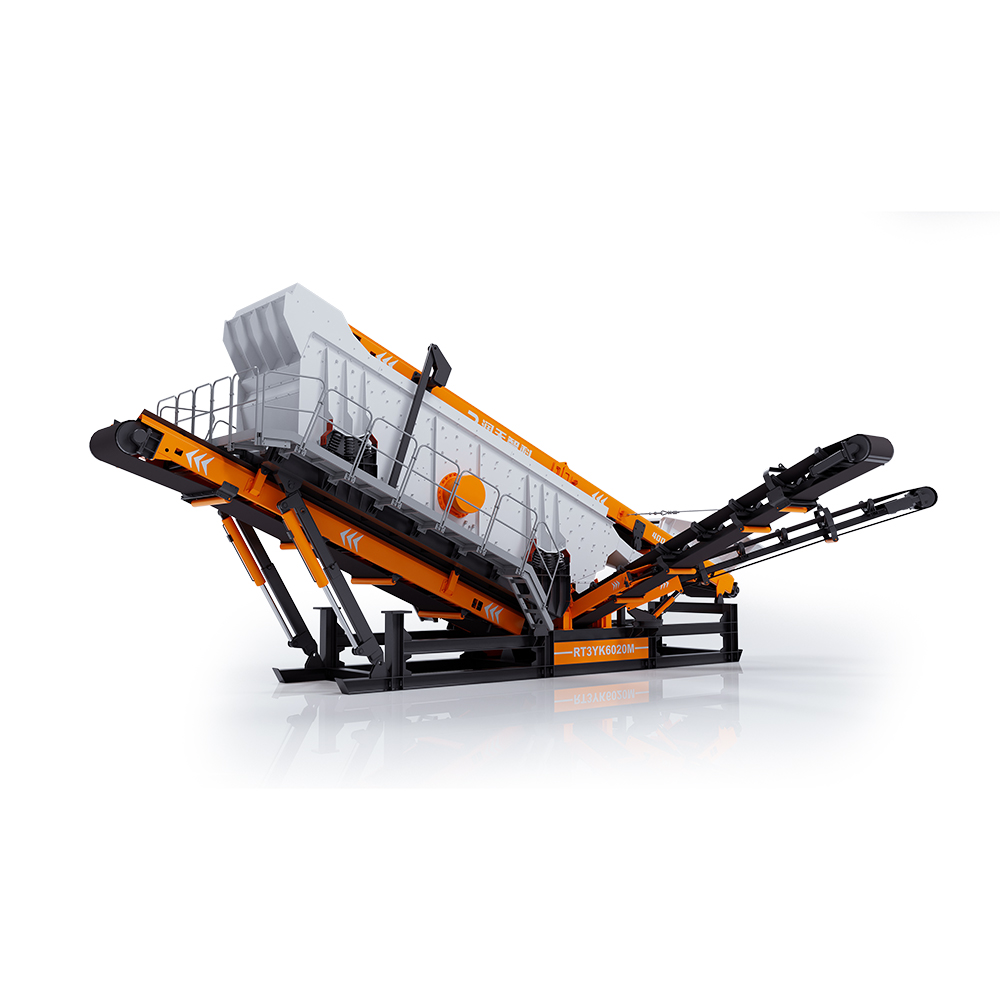 RT3YK6020M Modular Screening Plant
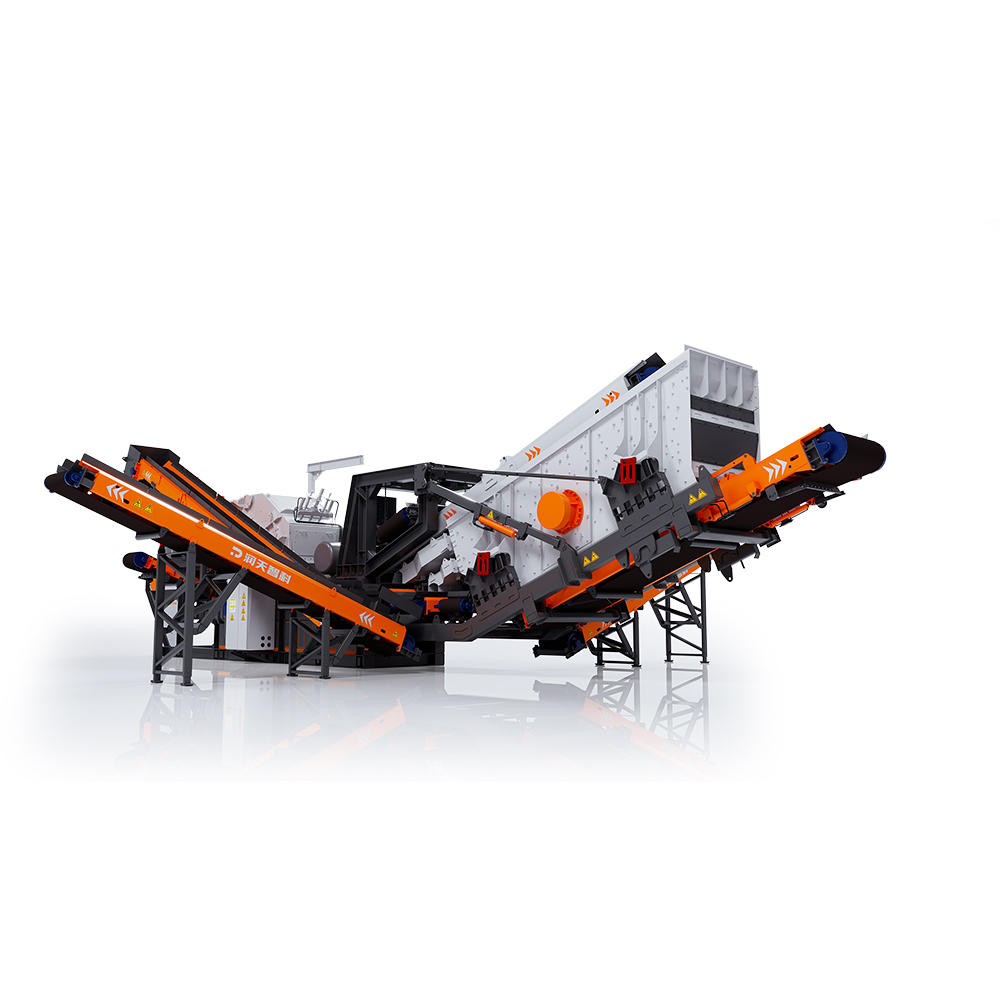 RTF260M Modular Counterattack Crushing and Screening Integrated Machine
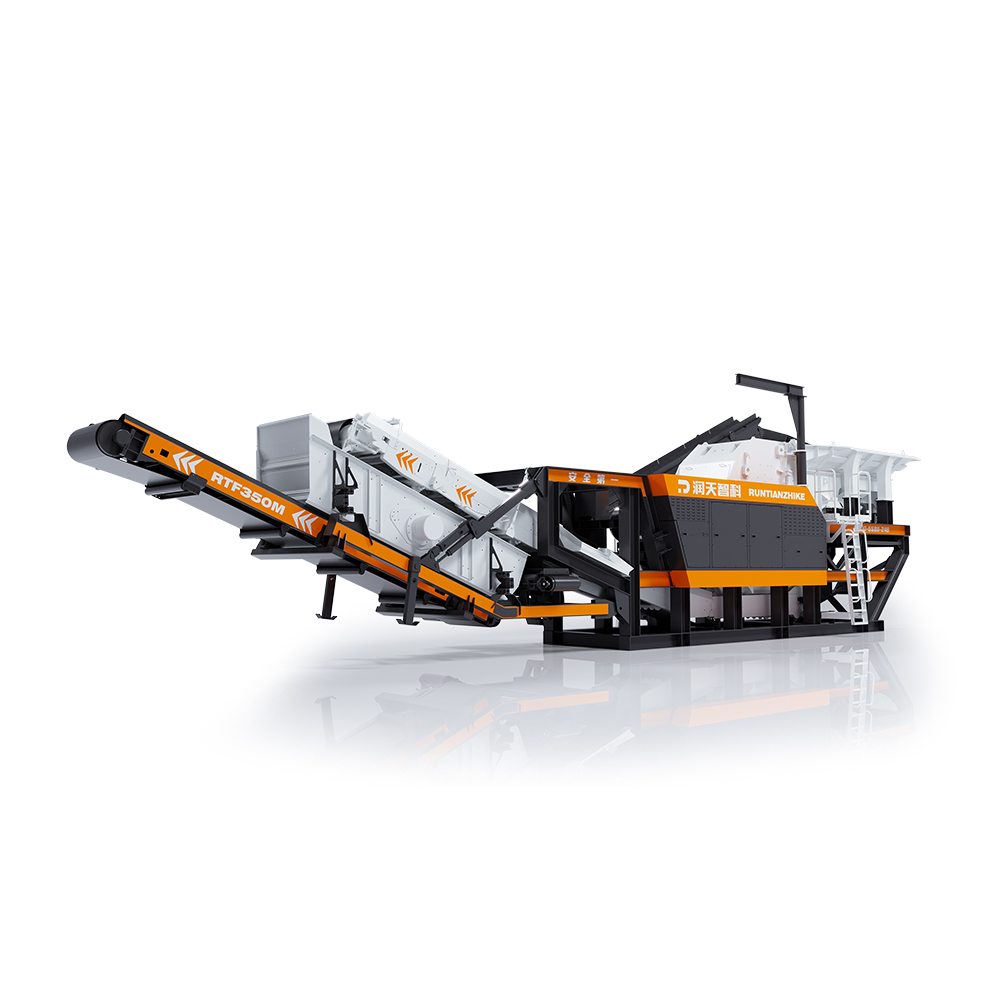 RTF350M Modular Impact Crushing Plant
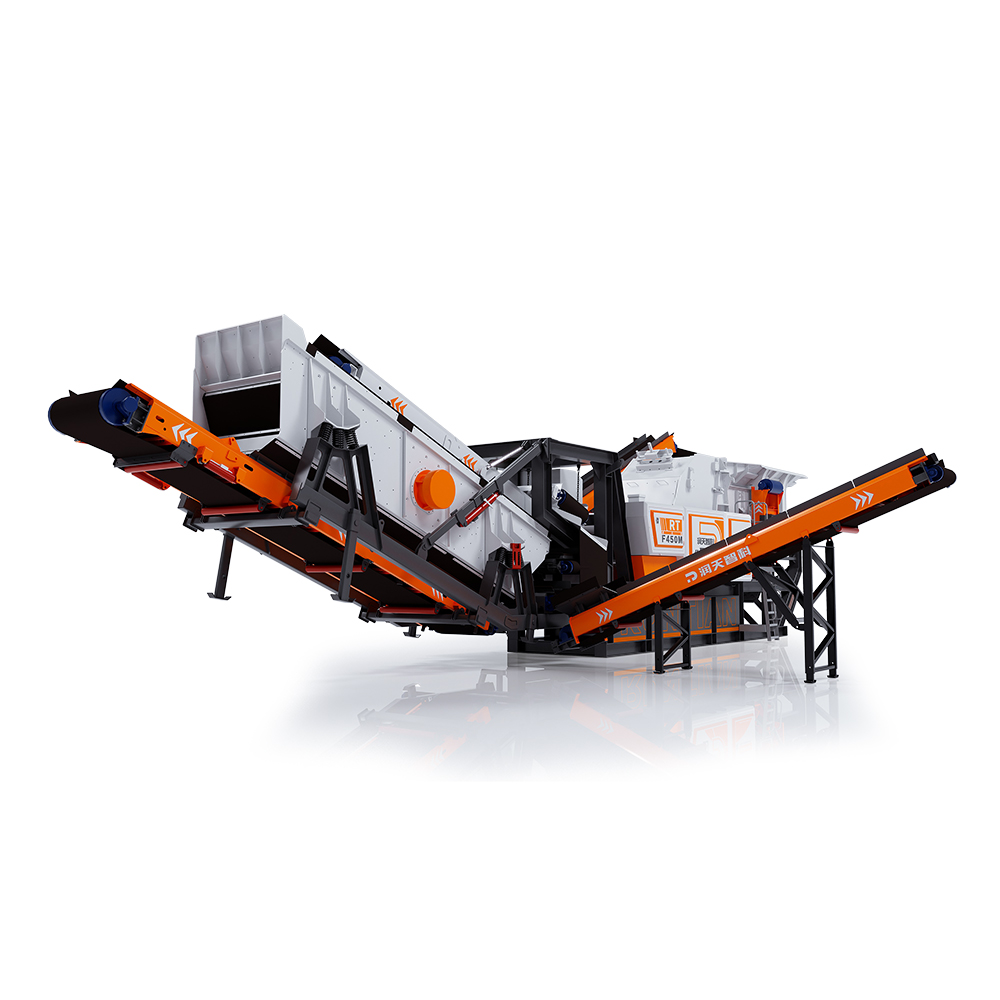 RTF450M Modular Impact Crushing Plant
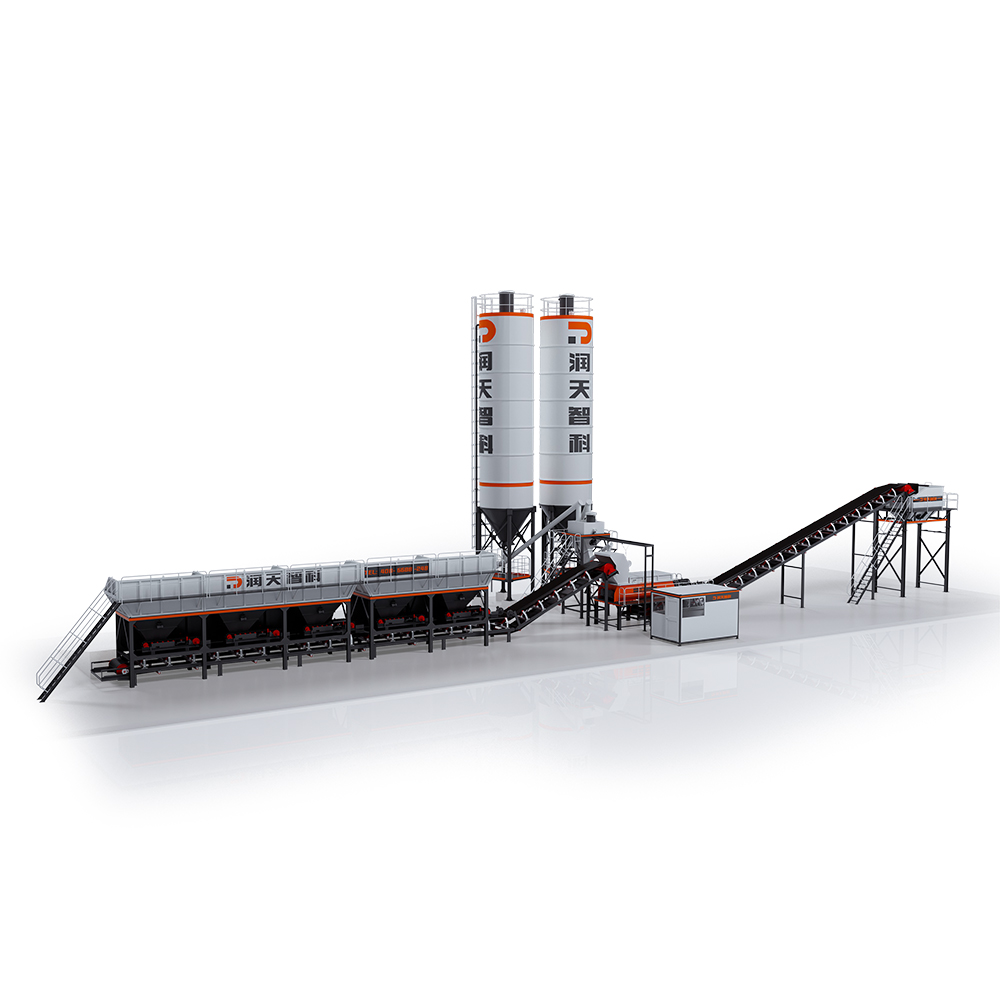 WDB Series Foundation-Free Stability Soil Mixing Plant
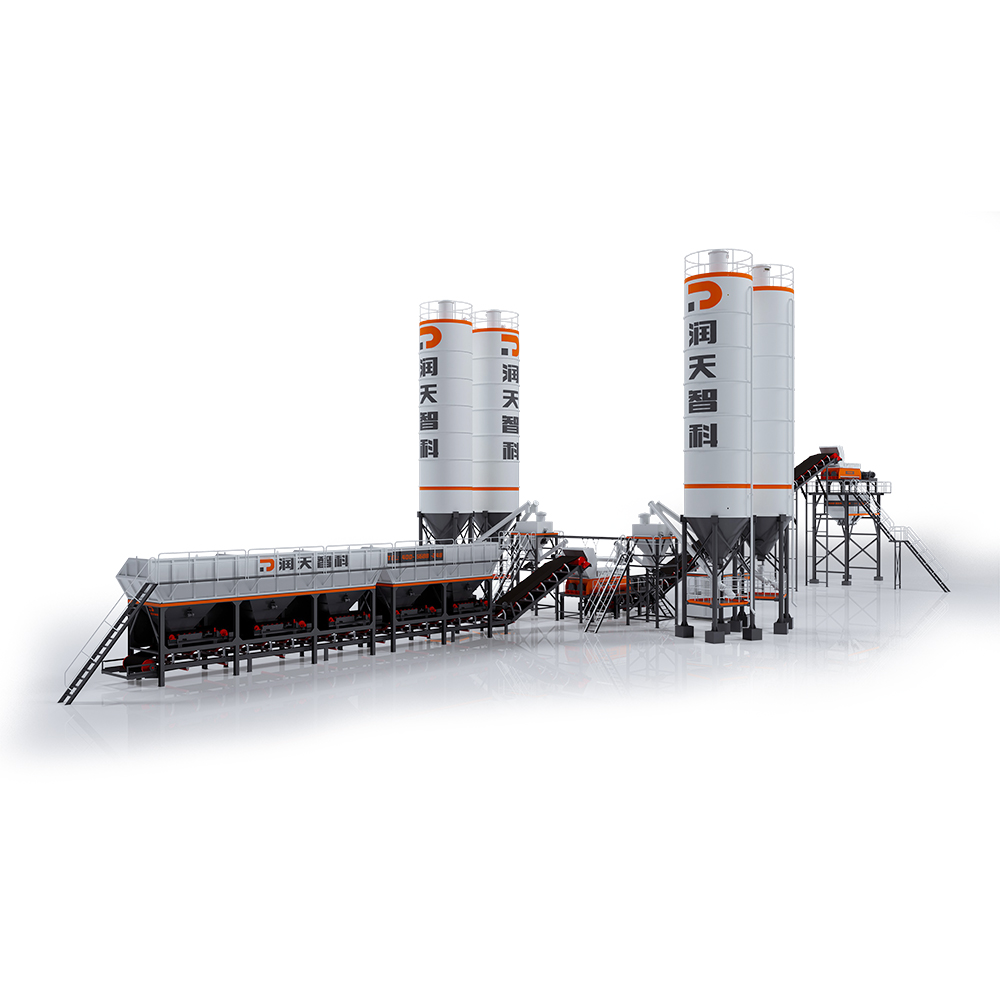 LCB Series Emulsified Asphalt Cold Regeneration Secondary Mixing Plant
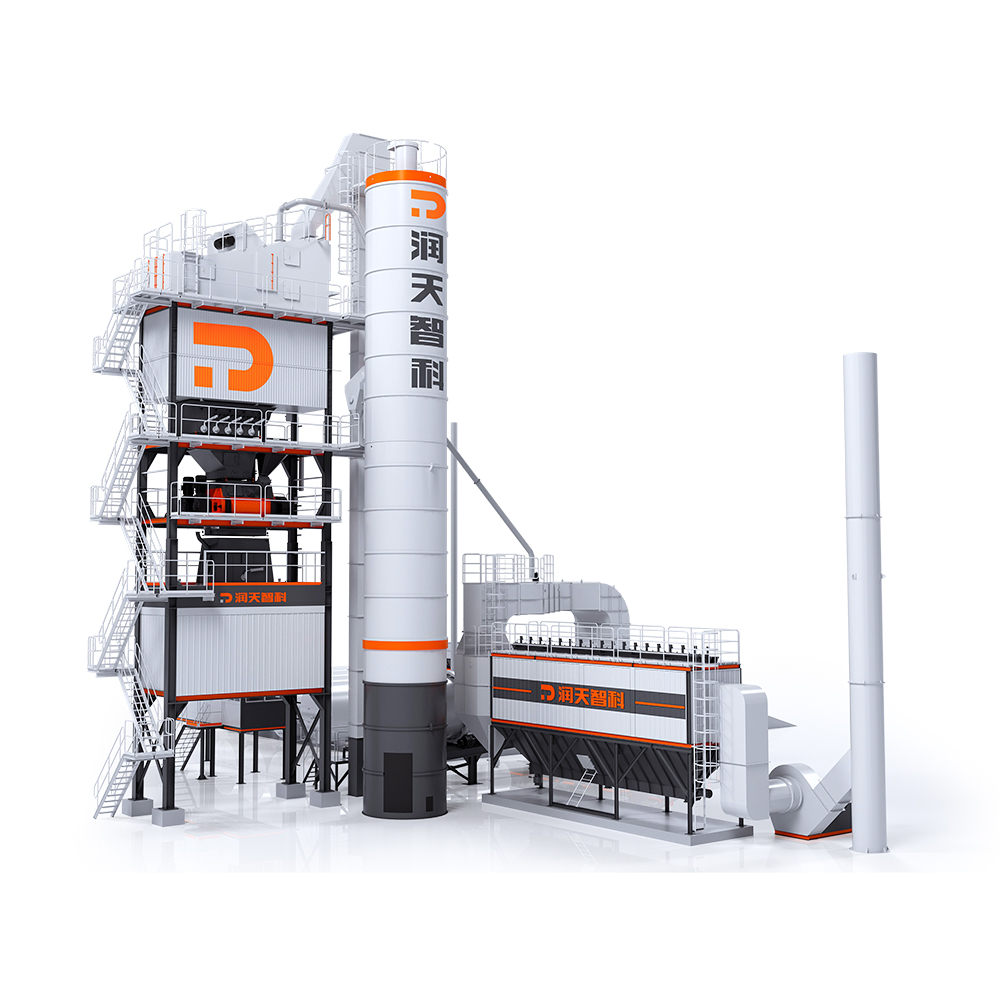 LB Series Asphalt Mixing Plant
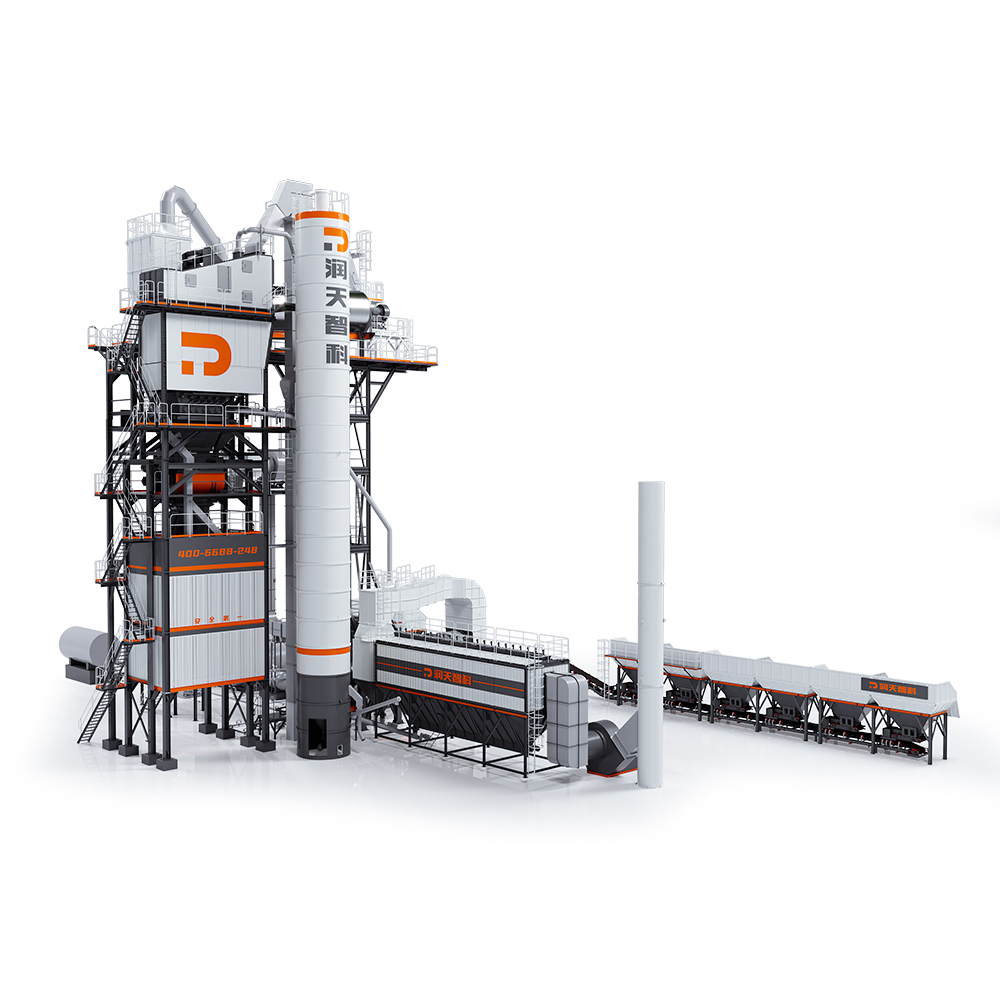 LBR Series Integrated Asphalt Mixing Plant
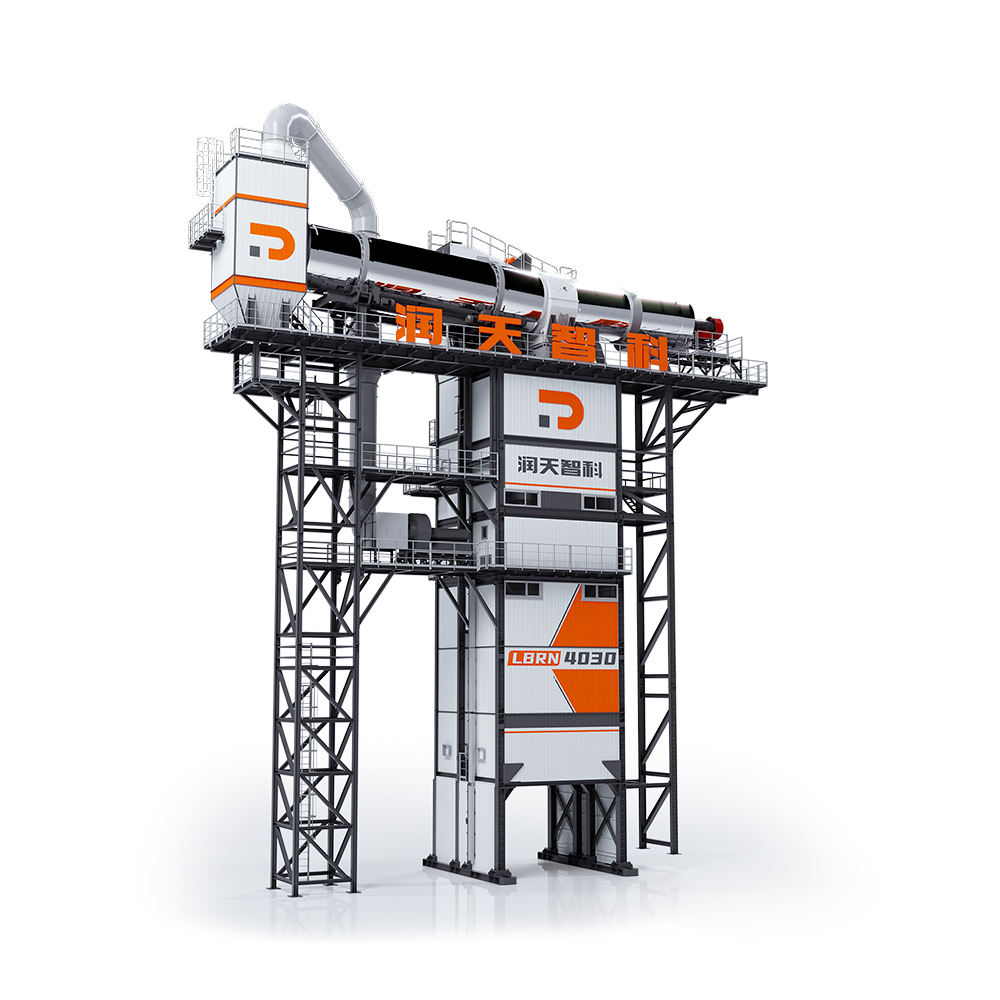 LBRN Series Counterflow Integral Asphalt Mixing Plant
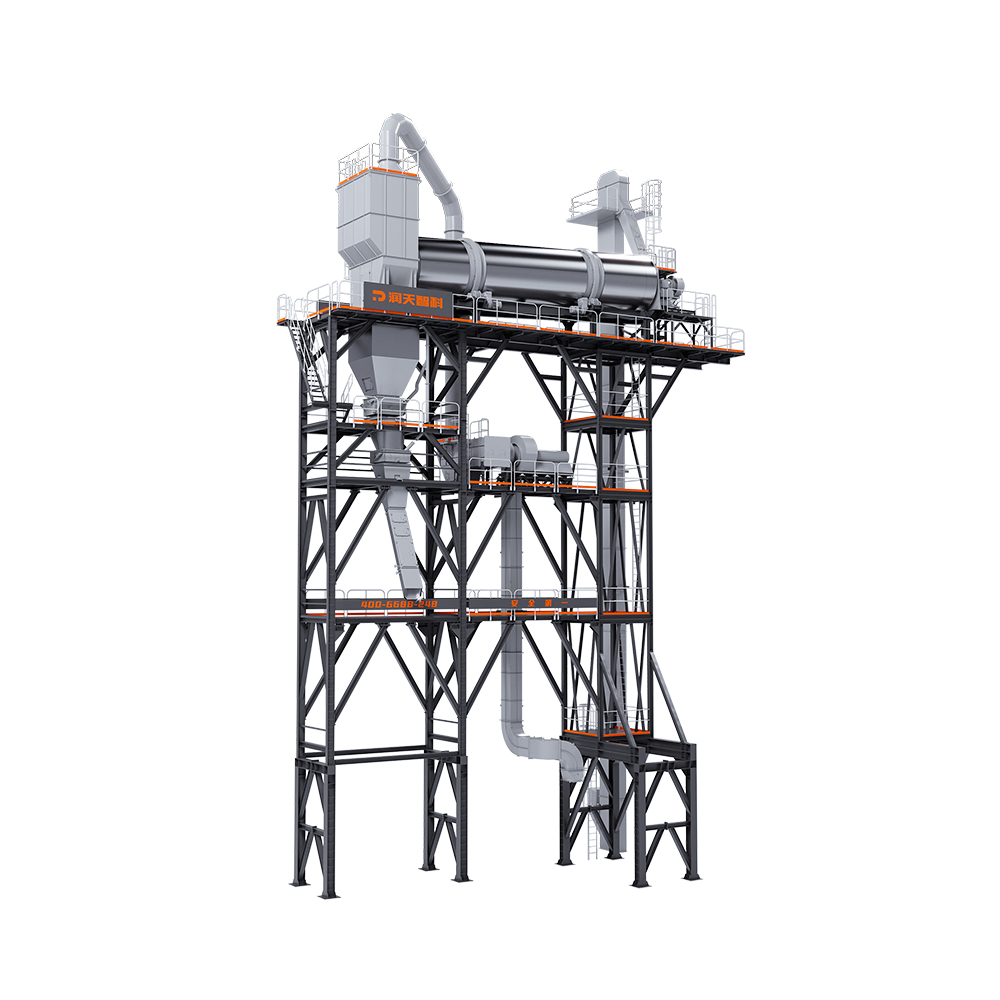 RZS Series Asphalt Mixing Plant
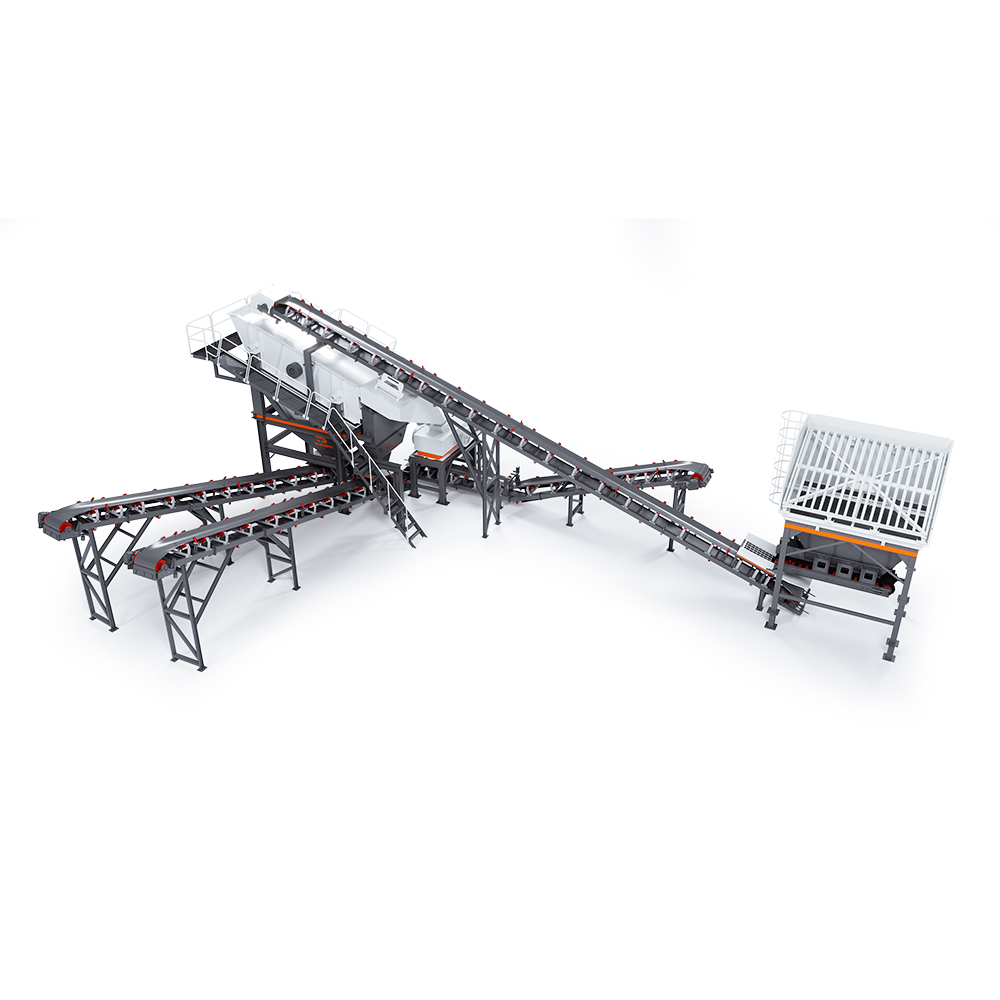 RTZS120 Series RAP Crushing & Screening Plant
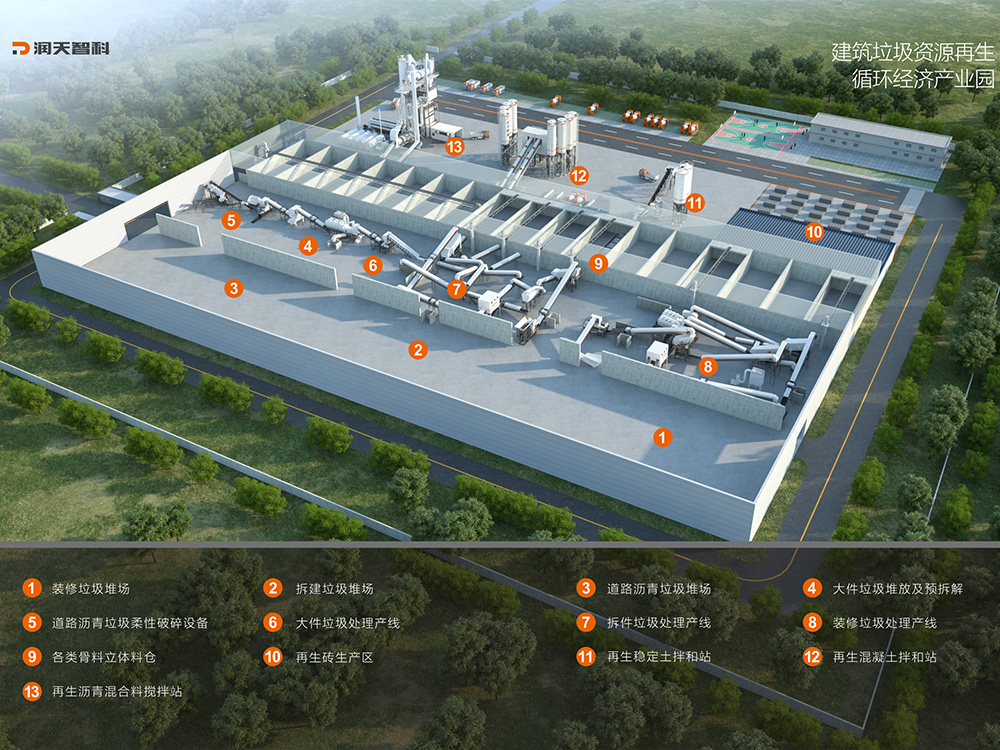 Construction Waste Resourceful Treatment Line